


🏭 Looking for a Custom Apparel Manufacturer?
We are a leading OEM/ODM clothing factory with 20+ years of export experience. Custom styles, flexible MOQs, and retail-ready quality.
Finding cute outfit ideas for women is not just about following trends. The best outfits combine flattering silhouettes, comfortable fabrics, practical details, and styling choices that work in everyday life.
Whether you are refreshing your wardrobe, developing a fashion collection, or researching products for a clothing brand, understanding why an outfit works can make better decisions easier. A ribbed tee and straight-leg jeans may look simple, for example, but fabric weight, fit consistency, stitching, and garment construction all influence the final result.
In this guide, we explore 10 cute outfit ideas for women across casual days, workwear, date nights, travel, and special occasions. We also examine fabric selection, fit, and practical wearability—details that matter to individual shoppers and businesses developing apparel products.
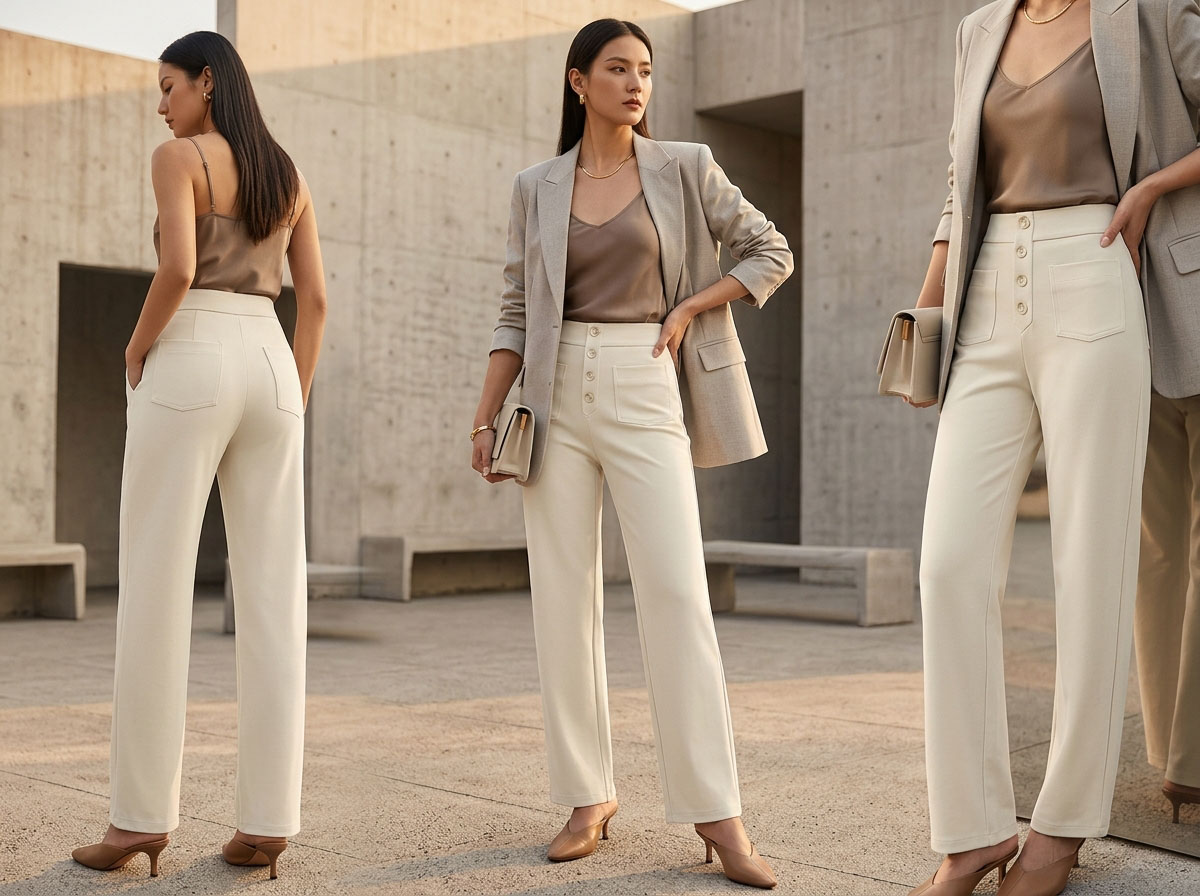
The easiest way to build a cute outfit is to start with a reliable base, add one distinctive detail, and finish with a practical layer or accessory.
For everyday dressing, the base might be jeans, tailored trousers, shorts, or a simple dress. A distinctive detail could be ribbed texture, a flattering waistline, a soft color, or an interesting sleeve. The finishing piece creates balance without making the outfit complicated.
For brands developing everyday apparel, this formula also offers a useful product-planning principle: versatile core garments can be updated with different fabrics, colors, trims, and silhouettes to create distinct collections.
These two combinations are easy to style, comfortable enough for regular use, and adaptable to different seasons.
A ribbed tee adds texture to a simple outfit, while high-waist straight jeans create a clean silhouette. White sneakers keep the look relaxed and versatile.
For a more polished result, choose a tee with a stable neckline, an appropriate fabric weight, and enough stretch for comfortable movement. The jeans should sit securely at the waist without pulling across the hips.
For apparel brands: Ribbed tees can be developed in different fabric weights, colors, and necklines. When evaluating a supplier, consider rib recovery, shrinkage, color consistency, and seam durability alongside appearance.
An oversized button-down adds coverage and structure, while bike shorts keep the outfit practical for walking, errands, and casual outings. Chunky sandals provide a modern finishing touch.
The shirt should have enough room through the shoulders and body without appearing shapeless. A breathable fabric can make the combination more comfortable in warm weather.
For apparel brands: Shirt length, collar construction, button placement, and fabric opacity are important development considerations. These details affect both the finished appearance and the wearer’s confidence.
Both combinations rely on contrast. A fitted piece balances a relaxed one, while texture or a defined silhouette adds interest without requiring complicated accessories.
The same principle can guide product development: a familiar garment becomes more distinctive through considered proportions, fabric texture, and construction details rather than unnecessary decoration.
| Outfit | Cute detail | Best season | Easy styling swap |
|---|---|---|---|
| Ribbed tee + jeans | Ribbed texture and a defined waistline | Spring and fall | Replace sneakers with loafers |
| Button-down + bike shorts | Oversized silhouette and relaxed proportions | Summer | Replace sandals with trainers |
A garment can look good indoors and perform poorly outdoors. Thin fabric may become transparent in bright light, while a poorly constructed neckline can lose its shape after repeated washing.
For everyday tops, assess opacity, recovery, softness, and durability. For button-down shirts, consider breathability, wrinkle behavior, collar stability, and how the fabric drapes.
| Item | Desired fabric feel | What to avoid | What to look for |
|---|---|---|---|
| Ribbed tee | Soft with enough structure to retain its shape | Excessive sheerness, weak recovery, or uncomfortable cling | Appropriate weight, consistent rib texture, and tested stretch recovery |
| Button-down | Crisp, breathable, and easy to layer | Excessive wrinkling or a collar that collapses easily | Suitable cotton or blended fabric, stable collar construction, and consistent sizing |
For brands sourcing these products, fabric specifications and garment measurements should be confirmed before bulk production. Requesting samples and reviewing them against a written specification helps reduce avoidable differences between the approved design and the finished order.
Work outfits look polished when they combine clean lines with comfortable materials. Instead of relying entirely on black, try coordinated neutrals, muted colors, soft knitwear, or a well-defined waistline.
For brands, workwear offers opportunities to combine repeatable silhouettes with seasonal color updates. The key is balancing appearance with practical requirements such as ease of movement, lining, opacity, and shape retention.
These combinations offer a professional appearance without feeling overly formal.
A coordinated knit set creates a cohesive look, while ankle trousers add structure. Ballet flats keep the outfit comfortable for commuting and walking around the office.
Choose knitwear that retains its shape and trousers that allow comfortable sitting. The pieces should coordinate in color and proportion without feeling restrictive.
For apparel brands: Knit density, pilling resistance, garment measurements, and color matching are useful quality checkpoints when developing coordinated sets.
A wrap blouse creates a defined waist, while a midi skirt adds movement. Low block heels provide a polished finish without relying on very high footwear.
Pay attention to the blouse’s closure and coverage, as well as the skirt’s lining and walking ease. A garment that stays in place during normal movement is more practical than one that looks good only when standing still.
For apparel brands: Wrap construction, fastening security, skirt lining, and consistent waist measurements should be reviewed during sample evaluation.
Use one soft element and one structured element. Softness can come from knit texture, a draped blouse, or a muted color. Structure can come from tailored trousers, a waistband, a belt, or a clean shoe shape.
This combination gives an outfit visual definition while preserving comfort.
| Outfit | Soft element | Structured element | Suggested color combination |
|---|---|---|---|
| Cardigan set + trousers | Knit texture | Tailored ankle-trouser line | Cream + charcoal |
| Wrap blouse + midi skirt | Draped fabric | Defined waistband and clean shoe shape | Light blue + navy |
Small construction details can change how an outfit looks and feels. Waist placement affects proportions, while lining can improve coverage and reduce unwanted cling. Clean hems and well-finished seams help garments maintain a polished appearance.
| Detail | Why it matters | Common mistake | Practical improvement |
|---|---|---|---|
| Waist placement | Influences proportions and comfort | A waistband that sits awkwardly or digs in | Review rise, waist measurements, and adjustability |
| Lining | Supports coverage and smoother movement | Thin fabric that clings or becomes transparent | Select a suitable lining and test the garment in different lighting |
| Seam finishing | Supports durability and appearance | Uneven stitching or bulky seams | Set clear workmanship requirements and inspect samples |
For apparel buyers, these details should be included in product specifications rather than left entirely to interpretation. Clear standards make sample reviews and production quality checks more consistent.
For date nights and evenings out, choose one statement piece and keep the remaining elements simple. A slip dress can provide a sleek foundation, while a fit-and-flare dress creates a more playful silhouette.
The best choice depends on comfort, movement, fabric behavior, and the occasion—not simply on how the dress looks on a hanger.
These two dress combinations create different looks with relatively simple styling.
A slip dress creates a smooth, streamlined silhouette. A cropped jacket adds structure and can provide an extra layer for cooler evenings. Strappy heels complete the look.
Check how the dress moves when walking and sitting, and consider whether the fabric needs a lining. The jacket should complement the dress without restricting the shoulders.
For apparel brands: Fabric drape, seam placement, strap adjustability, and lining options are useful development considerations for slip dresses.
A fit-and-flare dress defines the waist and provides room through the skirt. Tights add coverage, while ankle boots create contrast and make the look suitable for cooler weather.
The dress should allow comfortable movement and maintain its shape when sitting or walking. Sleeve construction and armhole fit also influence comfort.
For apparel brands: Review skirt volume, waist fit, zipper quality, seam strength, and consistency between sample sizes before approving production.
Start with the desired silhouette, then assess how the dress behaves during ordinary movement. Sit down, walk, reach forward, and raise your arms. If the fabric pulls, the straps slip, or the skirt restricts movement, the fit may need adjustment.
| Dress type | Best for | Design consideration | Visual effect |
|---|---|---|---|
| Slip dress | Sleek evening looks and simple layering | Fabric drape, strap security, and lining | Smooth, streamlined lines |
| Fit-and-flare dress | Playful occasions and movement | Waist fit, skirt volume, and ease of movement | A defined waist with a fuller skirt |
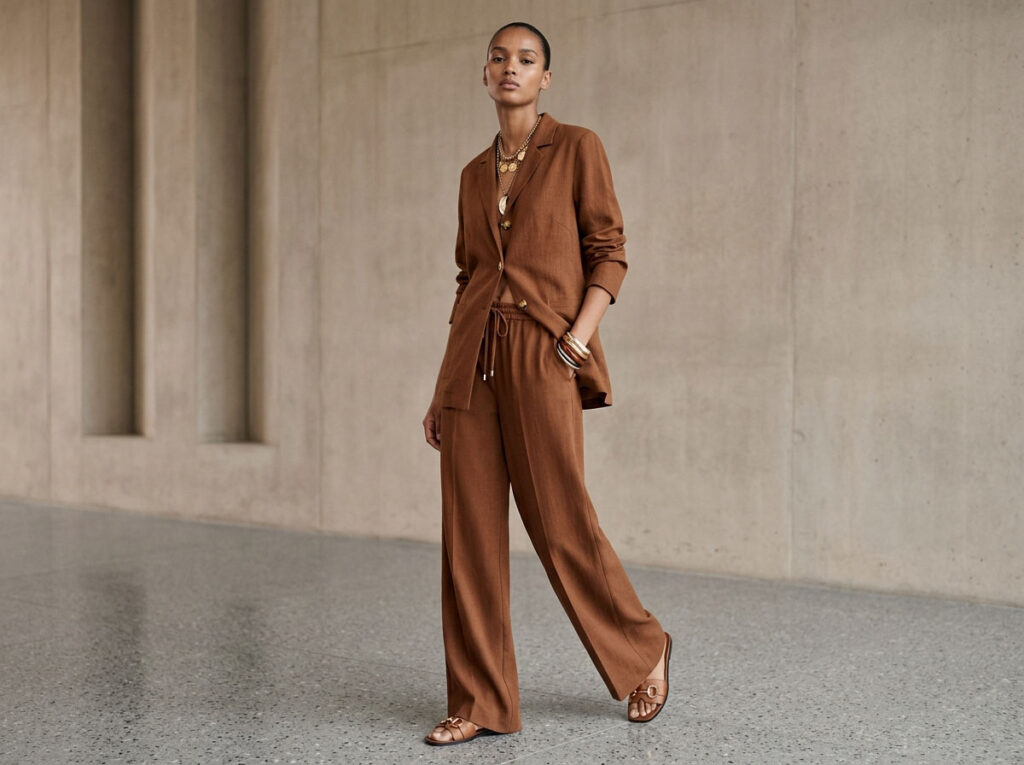
Choose one anchor piece that establishes the outfit’s direction. For a slip dress, this might be the cropped jacket. For a fit-and-flare dress, it could be the ankle boots.
Too many competing accessories can make a look feel crowded. A clear focal point usually creates a more balanced result.
| Anchor item | How it balances the outfit | Optional addition | What to avoid |
|---|---|---|---|
| Cropped jacket | Adds structure to a fluid dress | Small earrings | Combining multiple oversized accessories |
| Ankle boots | Adds contrast to a playful dress | Simple crossbody bag | Too many competing layers |
For brands developing occasionwear, styling versatility can also be a product advantage. A dress that works with a jacket, cardigan, or different footwear may appeal to customers looking for more than one use from a single purchase.
Weekend outfits need to work in real conditions: walking, sitting, changing temperatures, and carrying everyday essentials. Comfortable fabrics, practical layers, and coordinating colors make outfits easier to repeat.
For apparel businesses, this category highlights the value of garments that combine comfort with a considered appearance. A sweatshirt set or relaxed pair of trousers can look intentional when proportions, fabric texture, and finishing are carefully chosen.
These combinations work for errands, casual outings, and many travel situations.
A matching sweatshirt set creates a coordinated base. A trench coat adds structure, while clean sneakers keep the outfit practical.
Choose a set that allows movement without excessive bulk. The coat should fit comfortably over the sweatshirt, especially through the shoulders and sleeves.
For apparel brands: Evaluate fleece weight, softness, shrinkage, seam durability, and color consistency between matching pieces. These factors influence how coordinated sets look after repeated wear and washing.
A tank top and wide-leg linen pants create an airy warm-weather combination. A denim jacket adds structure and provides an extra layer when temperatures drop.
Pay attention to the trousers’ waistband, length, and opacity. A suitable linen blend may offer a balance between breathability, drape, and easier care.
For apparel brands: Fabric composition, wrinkle behavior, garment length, and waistband construction should be considered together when developing relaxed trousers.
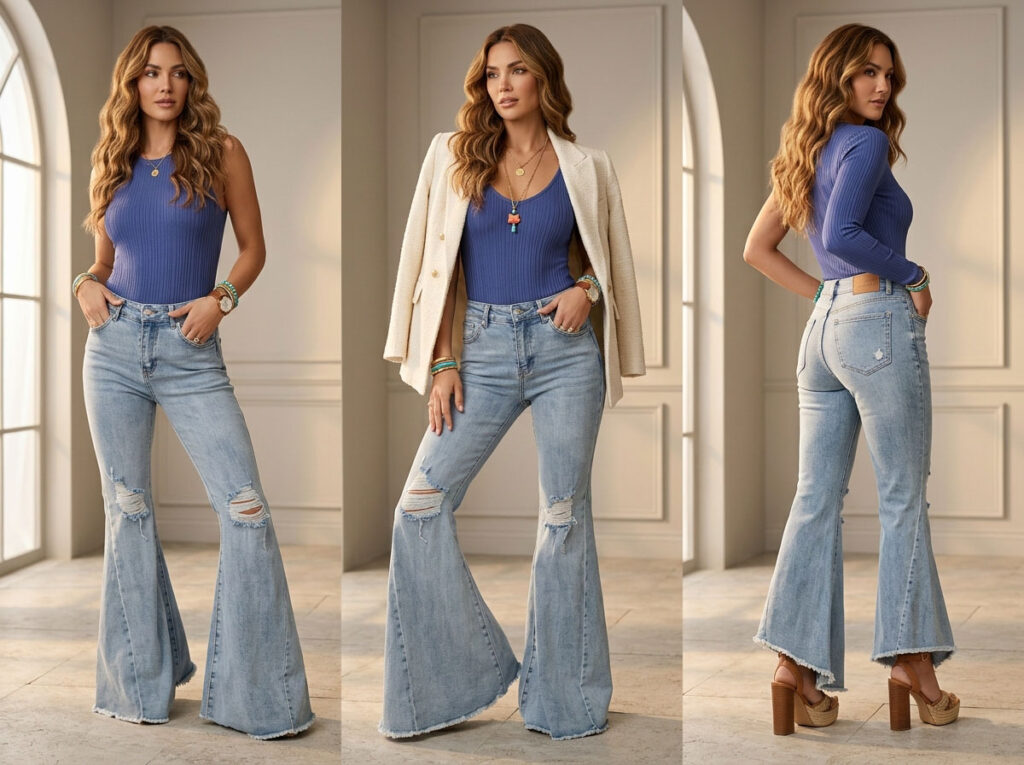
Plan around temperature changes first. A lightweight layer and a medium-weight layer can make a small wardrobe more adaptable. Keeping colors within a coordinated palette also makes it easier to combine individual pieces.
| Situation | Outfit base | Layer | Shoe |
|---|---|---|---|
| Cool morning + warm afternoon | Sweatshirt set | Lightweight trench | Sneakers |
| Warm day + breezy evening | Tank top + linen trousers | Denim jacket | Low-profile trainers |
Travel can expose weaknesses that are less obvious at home. Some fabrics wrinkle easily, some feel too warm after prolonged wear, and others lose their shape after washing.
Choose fabrics according to the garment’s purpose, climate, care requirements, and desired appearance. No single composition is ideal for every use.
| Fabric type | Good for | Potential limitation | Best use |
|---|---|---|---|
| Cotton-blend fleece | Soft coordinated sets and relaxed layers | Can feel too warm in hot weather; performance varies by weight and blend | Travel, errands, and cool-weather casual wear |
| Linen blend | Breathable trousers and relaxed summer pieces | May still wrinkle, depending on the blend and construction | Wide-leg pants, warm-weather outfits, and casual layering |
For sourcing teams, fabric selection should be validated against the product’s intended use. Request fabric details and care instructions, and test samples before committing to larger quantities.
If you are building a clothing collection, repeatable outfit formulas can also help organize a product range. A few compatible tops, bottoms, and layers can create multiple looks without requiring every item to be completely different.
Special-event outfits need to look good in photographs while remaining comfortable in person. Shine, color, neckline, and silhouette can create a memorable look, but fit and movement still matter.
For brands developing occasionwear, it is important to assess the garment under different lighting conditions and during realistic movement. A design should not depend entirely on a static pose to look its best.
These combinations suit dinners, celebrations, weddings, and other occasions where a more polished appearance is appropriate.
A satin midi dress catches the light and creates a fluid silhouette. A delicate cardigan softens the look and adds coverage, while kitten heels provide a refined finish.
Check the fabric under direct light and ensure the dress has suitable coverage. The straps, neckline, and lining should remain comfortable during sitting and walking.
For apparel brands: Satin surface quality, seam visibility, lining compatibility, and color consistency are important considerations when evaluating samples.
A tailored blazer dress creates a structured, confident look. Sheer tights and pointed heels can complete the outfit without competing with its silhouette.
Pay attention to shoulder fit, sleeve movement, closure security, and the balance between structure and comfort. The garment should allow natural movement without pulling across the body.
For apparel brands: Lapel shape, shoulder construction, button placement, lining, and garment measurements should be clearly specified during product development.
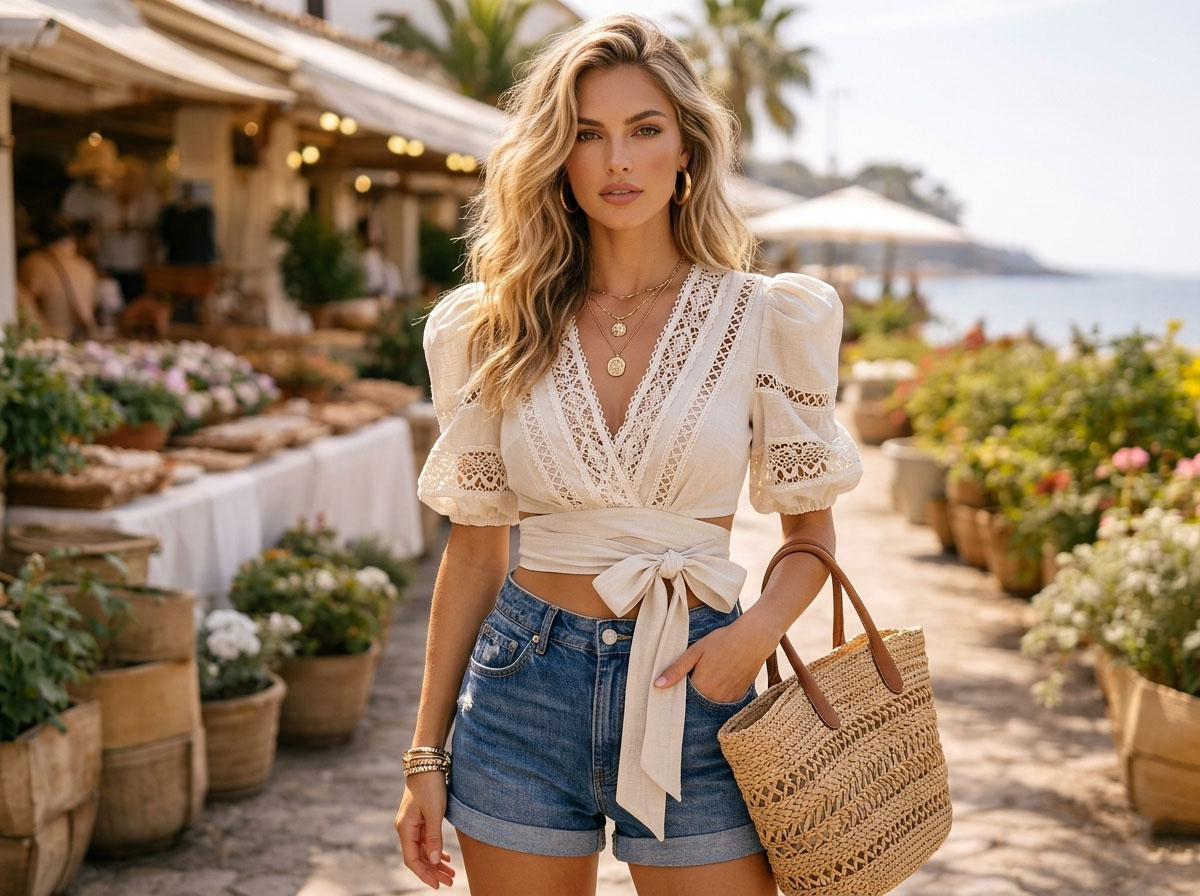
Test three simple actions before choosing an event outfit: sit, walk, and raise your arms. You can also check the garment in natural light and under brighter indoor lighting.
For a satin dress, look for unwanted transparency, visible seam distortion, or fabric pulling. For a blazer dress, check whether the shoulders remain comfortable and the closure stays secure.
| Outfit | Photo strength | Comfort check | Suggested accessory |
|---|---|---|---|
| Satin midi look | Reflective fabric creates a soft visual highlight | Check lining, straps, and movement | Small clutch |
| Blazer dress look | Structured lines create a defined silhouette | Check shoulder fit, sleeves, and closure | Simple earrings |
Keep one dominant visual feature. Satin already attracts attention through its surface, while a blazer dress stands out through its structure. Supporting pieces should complement that feature rather than compete with it.
| Main feature | Keep simple | Add for a softer look | Avoid |
|---|---|---|---|
| Satin shine | Shoes and bag | A subtle hair accessory | Excessive competing jewelry |
| Blazer structure | Makeup and nails | A clean belt, if suitable | Bulky accessories that obscure the silhouette |
The most successful outfit is one that suits the occasion, fits comfortably, and allows natural movement. The same principle applies to apparel product development: visual appeal and practical performance should be considered together.
A useful way to compare outfits is to evaluate them against the same criteria instead of relying only on first impressions. The following is a proposed evaluation framework, not the result of a completed laboratory test or a statistically validated consumer study.
For apparel brands and buyers, these checks can be adapted into a sample-review checklist before bulk production. Actual performance should be documented from the samples tested.
The example weights below are suggested planning values. They are not measured consumer preferences or verified industry benchmarks.
| Evaluation criterion | Suggested weight | What to assess |
|---|---|---|
| Fit and movement | 30% | Mobility, garment stability, and ease of movement |
| Comfort | 25% | Softness, pressure points, and suitability for the intended activity |
| Fabric suitability | 20% | Opacity, drape, recovery, and climate suitability |
| Versatility | 15% | Ability to create different looks for relevant occasions |
| Care requirements | 10% | Ease of washing, wrinkle management, and expected upkeep |
| Total | 100% | A structured comparison, not a validated universal score |
Give each criterion a score from 1 to 5, where 1 means poor performance and 5 means excellent performance under the defined test conditions. Multiply each score by its weight, then add the weighted results.
For example, if a sample receives a score of 4 out of 5 for fit and movement, its weighted contribution is:
4 ÷ 5 × 30 = 24 points.
Repeat the process for every criterion. Only publish actual outfit scores after the garments have been assessed using a consistent method.
For manufacturing teams, the same approach can be extended to fabric swatches, pre-production samples, and approved garments. Record the sample version, fabric details, measurements, and test conditions so the results are traceable.
Search trends can help identify styles that deserve further research, but they do not prove that every trend will sell well or suit every customer.
Google’s spring 2026 fashion report highlighted growing interest in several styles, including polka-dot apparel, lace pieces, cropped trousers, ballet flats, and Mary Jane shoes. Google also reported that searches for “jelly flats” increased by 360% over the preceding month. These figures describe search interest, not verified sales growth or the results of an outfit-wearability experiment.
For clothing brands, trend data is best used as an input into product planning—not as the only reason to manufacture a style.
A practical process is to:
This process helps connect consumer inspiration with business decisions. A popular silhouette may attract attention, but a successful apparel product also needs suitable construction, consistent quality, and a clear market position.
Cute outfit ideas for women become more useful when they are built around practical principles: a reliable base, a distinctive detail, suitable fabric, and a fit that allows natural movement.
From ribbed tees and straight jeans to satin dresses and tailored blazer dresses, the best combinations balance visual appeal with everyday performance. Paying attention to fabric weight, garment measurements, lining, seam finishing, and care requirements can help shoppers choose better clothes and help brands develop more dependable products.
For apparel businesses, these styling ideas can also serve as starting points for product research. Before moving from inspiration to production, define the target customer, confirm the design and fabric specifications, evaluate samples, and document quality expectations.
Turning an outfit idea into a market-ready garment takes more than a design reference. Brands also need clear product specifications, appropriate fabrics, dependable sampling, and a manufacturing partner that understands their requirements.
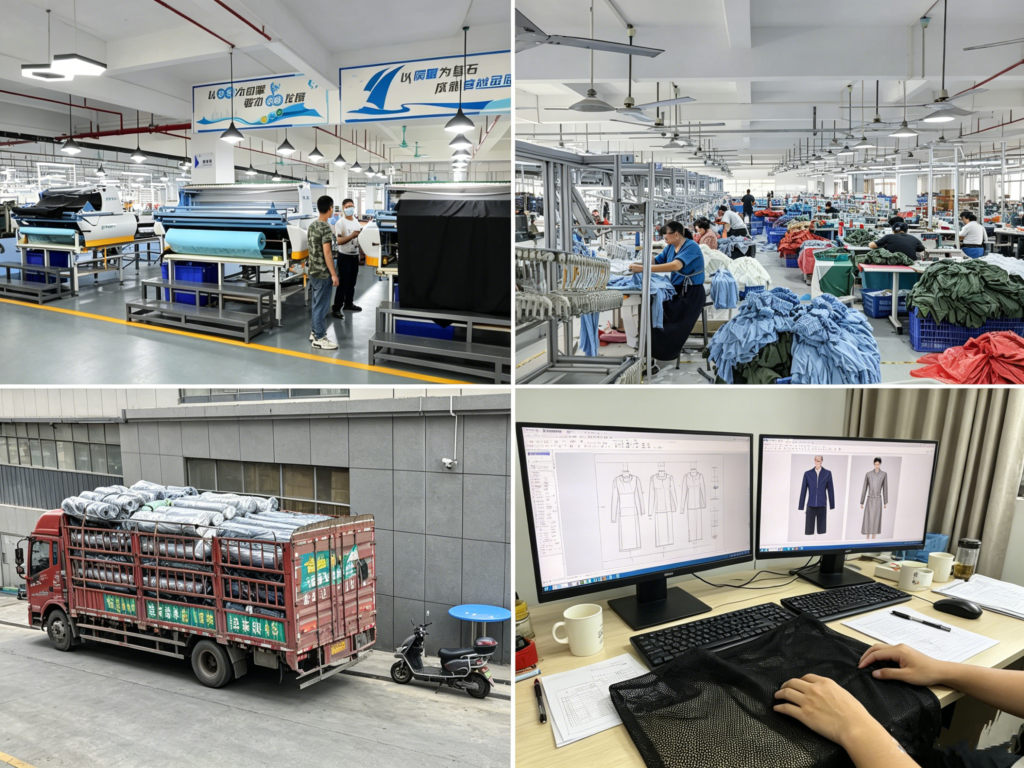
Liantao Apparel can be introduced here as a contact point for businesses exploring custom apparel production, including T-shirts, hoodies, and other clothing styles. If you are developing a private-label collection, sourcing bulk garments, or researching OEM/ODM apparel manufacturing, prepare your product details before discussing your project.
Useful information to share includes:
Planning your next clothing collection? Contact Liantao Apparel to discuss your product requirements and explore whether its apparel manufacturing services are a suitable fit for your project.
Note: Confirm the available products, OEM/ODM capabilities, minimum order quantities, lead times, certifications, and quality-control processes directly with Liantao Apparel before publishing specific service claims.
If you have any questions or require a quote, please leave
us a message. Our experts will get back to you within 24 hours to help you choose the ideal fashion products tailored to your needs.
Hi, I’m Lucy Cai, the founder of liantaoapparel.com. I’ve been managing a women’s clothing factory in China for over 16 years. With extensive experience in garment production and OEM services, I’m passionate about sharing insights into women’s fashion, apparel manufacturing, and global sourcing.
If you have any questions or need a quote, please contact us.
Please add us WhatsApp:+86 189 4809 3145
Provide us with detailed information about your requirements, supply design drawings or tech packs,
reference images, and share your ideas.
We will customize the best solution based on your needs and drawings, and provide a specific quote within 24 hours.
Once we receive your confirmation and deposit,we will commence mass production and take care of the subsequent shipping arrangements.


