


🏭 Looking for a Custom Apparel Manufacturer?
We are a leading OEM/ODM clothing factory with 20+ years of export experience. Custom styles, flexible MOQs, and retail-ready quality.
Choosing cocktail dresses for weddings involves more than finding a beautiful outfit. Wedding guests need to consider the dress code, venue, season, color, and level of formality before deciding what to wear. A dress that works for an outdoor summer ceremony may not be the best choice for an elegant evening reception.
For fashion brands and apparel buyers, cocktail dresses also offer opportunities to develop versatile collections with different silhouettes, fabrics, and design details. Understanding how these elements work together can help create products that meet customer expectations.
This guide covers popular wedding cocktail dress styles, suitable colors and fabrics, styling advice, and practical tips for choosing or developing cocktail dresses.
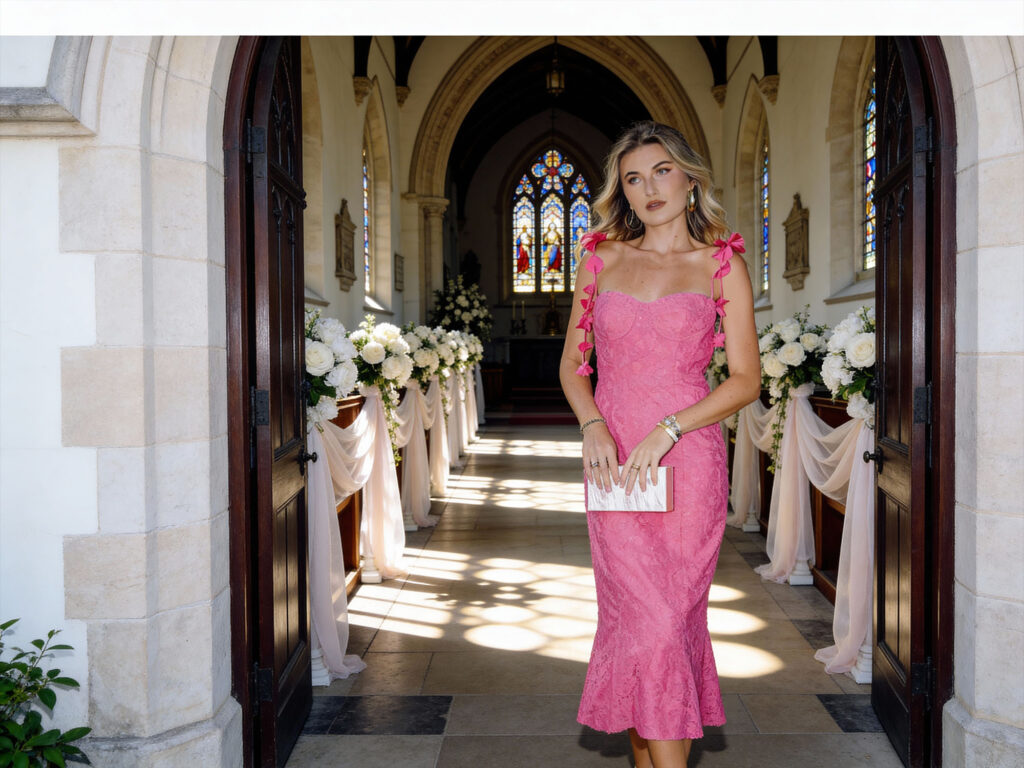
Cocktail dresses are elegant dresses designed for occasions that require a polished look without the formality of a full evening gown. For weddings, they are commonly associated with cocktail attire, which generally falls between semi-formal and formal dress codes.
However, the exact expectations depend on the invitation, venue, time of day, and couple’s preferences.
Cocktail attire usually allows guests to wear dresses with mini, knee-length, or midi hemlines. Structured silhouettes, refined fabrics, and coordinated accessories help create an appropriate occasion look.
Common characteristics include:
These dress codes are related but not interchangeable.
When in doubt, follow the dress code stated on the invitation or wedding website. For more guidance, see The Knot’s wedding cocktail attire guide.
The best cocktail dress style depends on the wedding’s formality, the guest’s personal preferences, and the desired balance between comfort and appearance. Different silhouettes create different visual effects and suit different occasions.
A-line dresses have a fitted upper section and a skirt that gradually widens toward the hem. This classic shape works well for guests who prefer a defined waist and a skirt with movement.
Design variations may include sleeveless bodices, short sleeves, square necklines, or decorative waist details.
Midi dresses typically fall between the knee and ankle. They offer a versatile option for many wedding settings because they can look polished without requiring a full-length gown.
Satin, crepe, and chiffon are possible fabric choices depending on the intended style.
Fit-and-flare dresses feature a fitted bodice and a skirt that flares from the waist or hips. This silhouette can create a defined shape while allowing movement.
Brands can develop different versions through changes in skirt volume, waist placement, sleeve design, and neckline.
Wrap dresses use overlapping front panels that create an adjustable-looking waist detail. They can be developed in solid colors, prints, or textured fabrics.
The construction should be checked to ensure the neckline and front closure provide suitable coverage during movement.
Off-shoulder and sleeveless designs add variety through neckline and shoulder details. They can work well for warmer weather or indoor receptions, depending on the wedding’s dress code.
For brands, these styles also provide opportunities to create different product variations without changing the entire dress silhouette.
Color selection should reflect the wedding’s dress code, season, venue, and overall atmosphere. Guests should also consider whether the couple has requested a particular color palette.
Navy is a versatile option for evening weddings and more formal settings. Burgundy, emerald, and other deep shades can also create an elegant appearance.
These colors work particularly well with simple silhouettes and understated accessories.
Dusty blue, sage green, blush, and other muted shades are often considered for daytime and warm-weather weddings.
Pastel colors can work with floral prints, chiffon overlays, and lighter dress constructions. The final choice should still suit the wedding’s specific theme.
Burgundy, plum, forest green, and darker blue tones can complement the visual atmosphere of fall and winter events.
Velvet, satin, and textured fabrics may help create a more seasonal appearance.
Floral prints, abstract patterns, and subtle textures can add visual interest to a cocktail dress.
When choosing a print, consider its scale, color combination, and overall formality. A bold pattern may suit a relaxed daytime celebration, while a simpler design may be more appropriate for an elegant evening reception.
Guests should avoid wearing white or shades that closely resemble the bridal outfit unless the couple has explicitly approved them. Some weddings also specify a color palette or request that guests avoid particular shades.
The invitation and wedding website should take priority over general color suggestions.
The season and venue influence which cocktail dress styles are practical and appropriate. Fabric weight, sleeve length, skirt construction, and footwear should all be considered together.
Spring celebrations often suit lighter colors, floral prints, and fabrics with soft movement.
Chiffon and lightweight crepe can be considered for dresses designed for outdoor ceremonies or daytime receptions. A light jacket or wrap may be useful when temperatures change.
For summer events, comfort and movement are important. Lightweight fabrics and designs with suitable ventilation may help guests feel more comfortable.
Sleeveless dresses, short sleeves, and flowing skirts are possible options. For beach or garden weddings, consider footwear that works on sand, grass, or uneven surfaces.
Fall weddings can accommodate richer colors and more textured fabrics. Long sleeves, midi lengths, and structured silhouettes may suit cooler weather.
Crepe, satin, and velvet are possible options, depending on the event’s location and temperature.
Winter celebrations may require additional coverage or layering. Long-sleeved dresses, heavier fabrics, and elegant outerwear can help balance appearance and comfort.
For indoor receptions, consider whether the venue is heated before choosing a particularly heavy dress.
| Wedding setting | Dress style direction | Practical consideration |
|---|---|---|
| Garden wedding | Floral, A-line, or flowing midi dress | Grass, weather, and outdoor movement |
| Beach wedding | Lightweight dress with a relaxed silhouette | Sand, wind, and temperature |
| Hotel wedding | Structured midi or elegant fitted dress | Formality and indoor comfort |
| Winter reception | Long-sleeved or textured dress | Warmth and suitable outerwear |
The venue should guide the final decision, but the invitation’s dress code remains the most important reference.
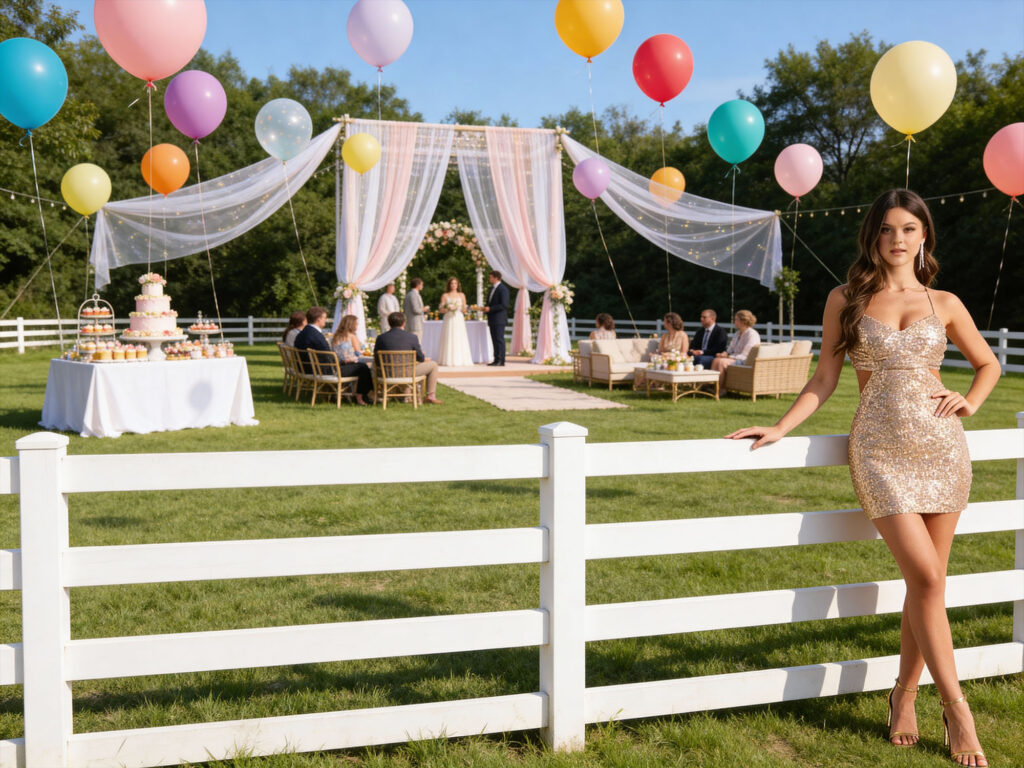
Fabric affects the appearance, drape, comfort, and construction of a cocktail dress. The best material depends on the intended silhouette, season, price positioning, and design details.
Chiffon is a lightweight fabric often used for flowing skirts, sleeves, overlays, and layered designs. Its soft appearance makes it a possible choice for spring and summer wedding dresses.
Because chiffon can be sheer, some designs require lining or layered construction.
Satin is valued for its smooth surface and sheen. It is commonly considered for elegant cocktail dresses, particularly for evening events.
The final appearance depends on the fiber composition, fabric weight, and satin construction. Brands should evaluate the actual sample for drape, surface quality, and crease behavior.
Lace adds decorative detail through openwork patterns and textured surfaces. It can be used across an entire dress or incorporated into sleeves, bodices, and overlays.
Designers should consider lining, seam placement, and edge finishing when developing lace garments.
Crepe fabrics can offer a relatively smooth drape or a subtly textured surface, depending on the construction and composition.
They are suitable for exploring clean silhouettes, fitted dresses, and understated occasionwear designs.
Velvet has a distinctive pile surface that creates a rich visual texture. It is often considered for fall and winter cocktail dresses.
When developing velvet garments, pay attention to fabric direction, cutting consistency, and how the pile behaves around seams.
| Fabric | Main visual characteristic | Possible dress applications |
|---|---|---|
| Chiffon | Lightweight and flowing | Layered skirts, sleeves, overlays |
| Satin | Smooth surface with sheen | Evening and fitted dresses |
| Lace | Decorative openwork texture | Bodices, sleeves, overlays |
| Crepe | Subtle texture and varied drape | Minimalist and fitted dresses |
| Velvet | Soft pile surface | Fall and winter occasionwear |
Fabric names alone do not guarantee a particular level of quality or performance. Before production, confirm the composition, weight, construction, lining requirements, and care instructions.
Accessories should complement the dress rather than compete with its design. A coordinated outfit also needs to suit the venue and remain comfortable throughout the ceremony and reception.
Heels are a common choice for cocktail attire, but they are not essential. Dressy flats, low heels, and elegant sandals can also work.
For outdoor weddings, consider block heels or footwear that is easier to walk in on grass or sand.
A clutch or small evening bag can complement a cocktail dress without overwhelming the outfit.
Choose a color and finish that work with the dress and other accessories. A simple bag can balance a dress with elaborate embellishments.
Jewelry should match the neckline and design details.
For example:
A wrap, shawl, tailored jacket, or elegant coat can provide additional coverage when the weather is cool.
The outer layer should complement the dress in color, length, and formality.
Hair and makeup should support the overall outfit. A more detailed dress may work best with a simpler hairstyle, while a minimalist dress can accommodate more expressive styling.
The goal is a coordinated look that feels appropriate for the event rather than an outfit dominated by individual accessories.
A good wedding cocktail dress should meet the event’s requirements while providing a comfortable fit. Before purchasing, consider the following practical factors.
Read the invitation and wedding website carefully. If the dress code is unclear, ask the couple or wedding organizer rather than assuming that any party dress will be suitable.
Choose a silhouette that suits your preferences and allows comfortable movement.
Pay attention to the bust, waist, shoulder, and hip measurements. The neckline and armholes should also remain comfortable when sitting, walking, and dancing.
Check whether the fabric feels comfortable against the skin and whether it provides enough coverage.
For lighter materials, look at the lining and opacity. For structured dresses, check whether the fabric maintains the intended shape.
A dress may look attractive when standing still but feel restrictive during a long event.
Consider the following:
A versatile cocktail dress can also be worn for dinners, parties, formal celebrations, and other social occasions.
Choosing a design that can be styled in different ways may make it a more practical addition to your wardrobe.
For fashion brands, developing cocktail dresses requires coordination between design, fabric selection, pattern making, sampling, and bulk production. Each stage helps ensure that the final garment reflects the intended design and product positioning.
Start with the target customer, occasion, and collection concept.
Prepare design references and specify important details, including:
A clear design brief helps the manufacturing team understand the product requirements.
Choose fabrics according to the desired appearance, drape, comfort, and construction.
For example, chiffon may be considered for flowing designs, while satin may suit a more structured evening look. Lace and velvet can introduce different surface textures.
Confirm the fabric composition, weight, width, color, and lining requirements before sample development.
Pattern making translates the design into garment components and measurements.
A sample allows the brand to review:
Any necessary adjustments should be documented before approving the final sample.
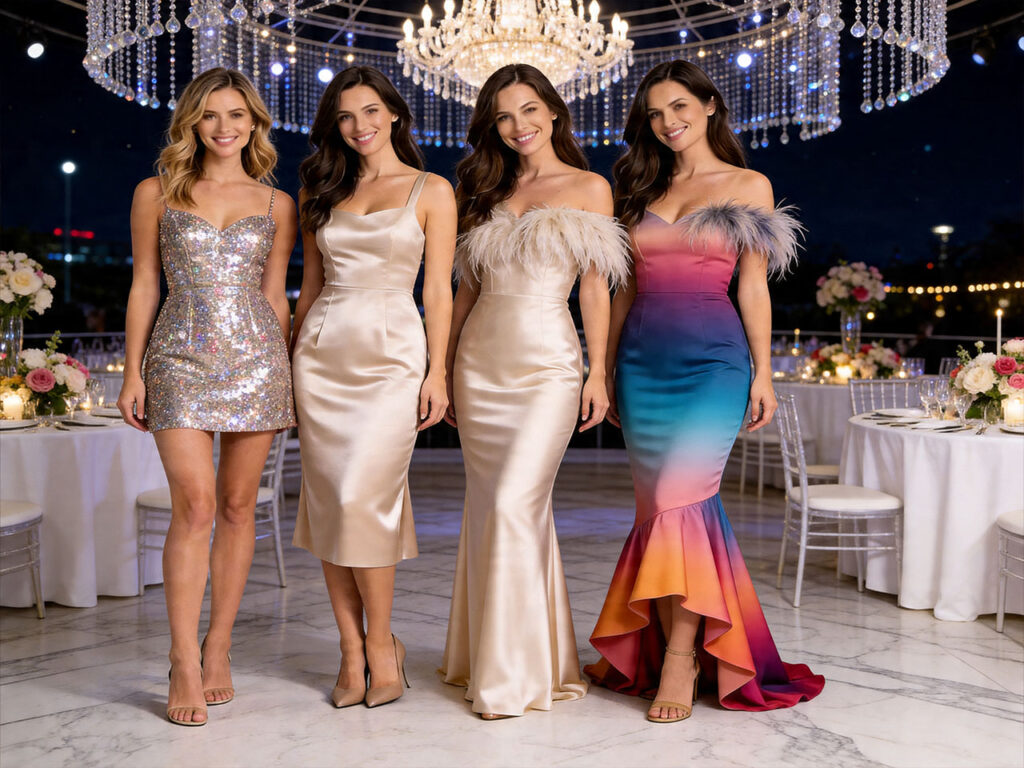
Brands can define their product identity through labels, trims, buttons, embroidery, decorative details, and packaging.
These elements should be confirmed early enough to coordinate with the garment design and production requirements.
Before bulk manufacturing, confirm the approved sample and final specifications.
Important details include fabric composition, measurements, construction, color standards, branding, quality requirements, and packaging instructions.
For brands comparing manufacturing partners, our guide to Apparel Manufacturer Selection and Bulk Quality Control provides additional sourcing considerations.
Liantao Apparel offers OEM/ODM clothing manufacturing services, including pattern making, Tech Pack development, custom fabric options, and branding support. Brands planning a clothing collection can learn more about our OEM and ODM Clothing Manufacturing Services.
A clear development brief and an approved sample help establish a shared reference before bulk production begins.
Yes, a cocktail dress is generally appropriate when the invitation specifies cocktail attire. It may also suit some semi-formal or formal weddings, depending on the dress design and event expectations. Always check the invitation first.
Mini, knee-length, and midi dresses are common options for cocktail attire. The most suitable length depends on the dress code, venue, and personal comfort. More formal events may call for a longer or more structured style.
A black cocktail dress can be appropriate for many weddings, particularly evening events. However, consider the couple’s preferences, cultural expectations, and any color guidance provided in the invitation.
A short dress may work for some formal weddings if its fabric, construction, and overall styling are sufficiently elevated. For black-tie or particularly formal celebrations, a floor-length gown may be a safer choice unless the couple indicates otherwise.
Satin, chiffon, lace, crepe, and velvet are common options. The best fabric depends on the desired silhouette, season, comfort, and design. Always evaluate the actual fabric sample before making a final choice.
Choosing cocktail dresses for weddings means balancing style, comfort, and the expectations of the event. The dress code should guide the level of formality, while the venue and season help determine suitable colors, fabrics, and silhouettes.
For fashion brands, successful cocktail dress development also depends on careful fabric selection, pattern making, sample review, and clear production specifications. With the right development process and manufacturing partner, brands can build occasionwear collections that reflect their design direction and customer needs.

If you have any questions or require a quote, please leave
us a message. Our experts will get back to you within 24 hours to help you choose the ideal fashion products tailored to your needs.
Hi, I’m Lucy Cai, the founder of liantaoapparel.com. I’ve been managing a women’s clothing factory in China for over 20 years. With extensive experience in garment production and OEM services, I’m passionate about sharing insights into women’s fashion, apparel manufacturing, and global sourcing.
If you have any questions or need a quote, please contact us.
Please add us WhatsApp:+86 189 4809 3145
Provide us with detailed information about your requirements, supply design drawings or tech packs,
reference images, and share your ideas.
We will customize the best solution based on your needs and drawings, and provide a specific quote within 24 hours.
Once we receive your confirmation and deposit,we will commence mass production and take care of the subsequent shipping arrangements.


