🏭 Looking for a Custom Apparel Manufacturer?
We are a leading OEM/ODM clothing factory with 20+ years of export experience. Custom styles, flexible MOQs, and retail-ready quality.
Sweatpants are a wardrobe essential because they combine comfort, versatility, and everyday style. However, repeated washing and wearing can cause small fuzzy balls, known as pills, to appear on the surface. Over time, pilling can make even a high-quality pair of sweatpants look old and worn.
The good news is that proper fabric care can significantly reduce pilling. Turning sweatpants inside out, washing them in cold water, selecting a gentle cycle, avoiding rough fabrics, and using low heat when drying can all help protect the fibers. In this guide, we’ll explain why sweatpants pill, how to wash them correctly, which detergents and fabrics work best, and how to keep sweatpants looking smooth for longer.
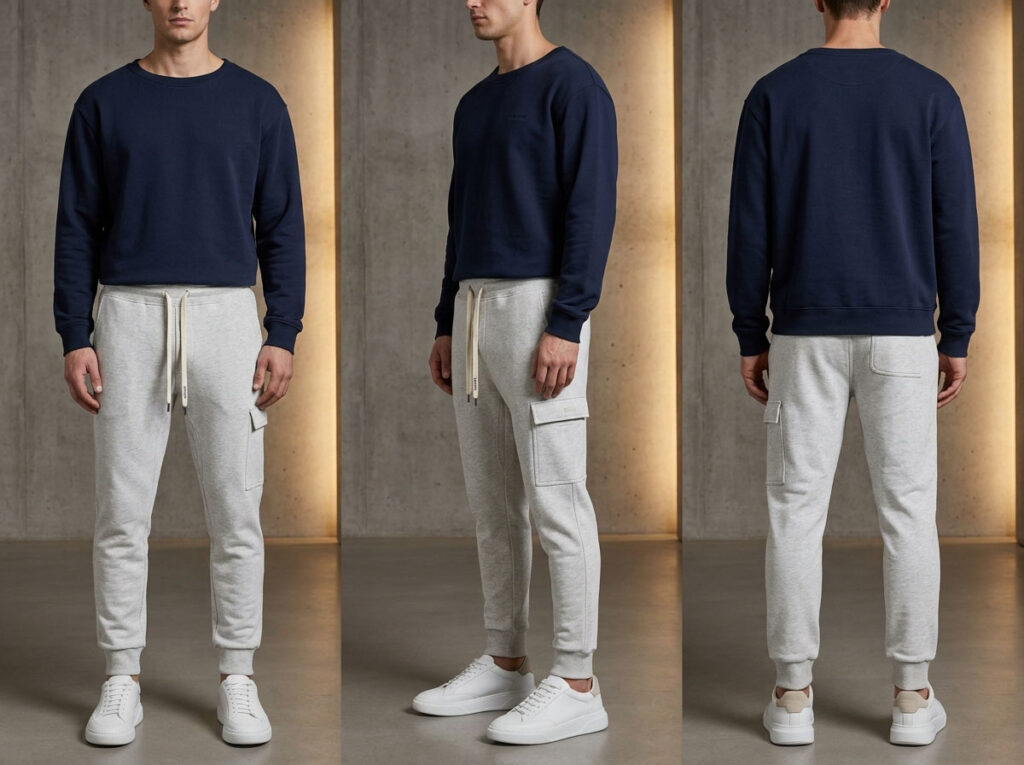
Pilling occurs when individual fabric fibers become loose or break due to friction, abrasion, washing, and repeated wear. These loose fibers can become tangled together and form small balls on the surface of the garment.
Sweatpants are particularly susceptible to pilling because they are frequently washed and often experience friction around the inner thighs, seat, knees, and other high-contact areas.
Using a gentler washing routine can help reduce unnecessary fiber damage and extend the appearance and lifespan of sweatpants.
The best approach is simple: turn sweatpants inside out, use cold water, select a gentle cycle, use a mild detergent, avoid overloading the machine, and dry with minimal heat.
Following these steps provides a practical everyday routine for maintaining the softness and appearance of sweatpants.
Yes. Washing sweatpants inside out is one of the easiest ways to reduce surface friction.
When the garment is turned inside out, the exterior surface is less exposed to direct contact with other garments, which can help protect the visible fabric.
For sweatpants with screen prints, embroidery, patches, or other branding, turning the garment inside out is especially useful.
Water temperature has a direct effect on fabric stress, shrinkage, color retention, and long-term garment durability.
For most sweatpants, cold water is a good default, particularly when minimizing pilling and maintaining the original shape are priorities.
| Temperature | Effect on Fabric | Recommended Use |
|---|---|---|
| Cold — 30°C / 86°F or lower | Minimizes heat-related stress and helps maintain shape | Best choice for routine washing |
| Warm — 40°C / 104°F | Provides stronger cleaning but may increase fabric stress over time | Use when the care label allows |
| Hot — Above 50°C / 122°F | Can increase shrinkage and fiber damage | Generally avoid for sweatpants |
Always check the garment care label first, because the appropriate temperature can vary according to fiber composition and finishing.
A mild liquid detergent is generally a practical choice for sweatpants because it dissolves easily and can provide effective cleaning without unnecessary abrasion from undissolved powder.
The detergent should always be compatible with the garment’s fiber content and care instructions.
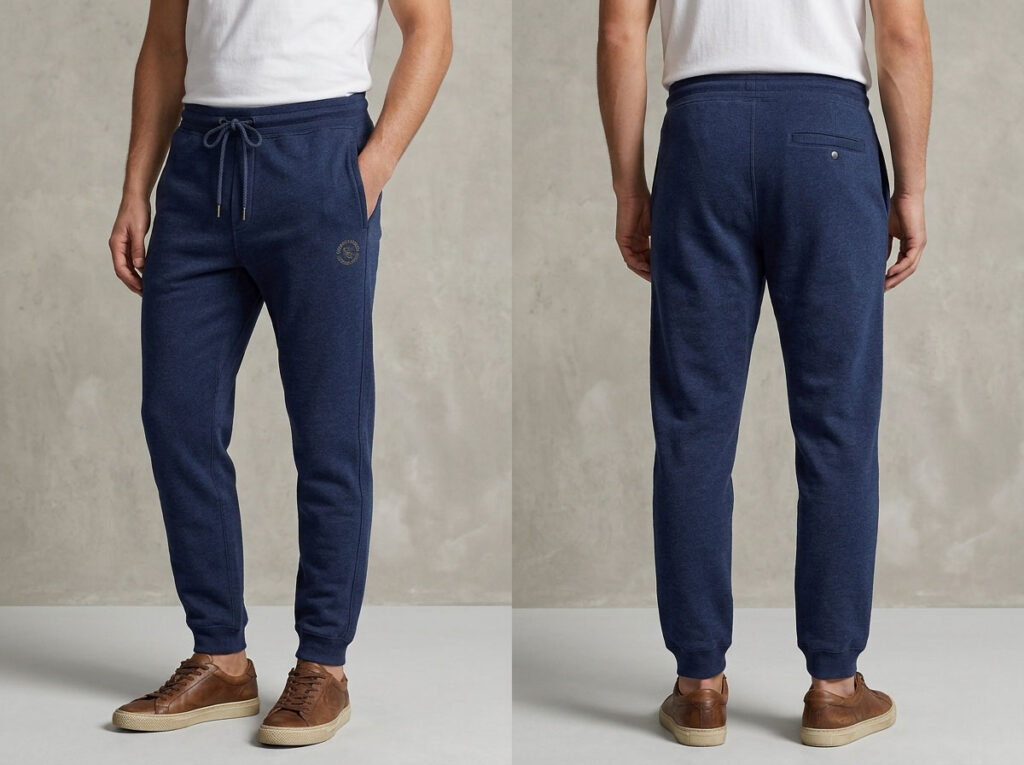
Fabric softener can reduce static and make some fabrics feel smoother, but it should not automatically be considered an anti-pilling solution.
For some cotton and fleece garments, a suitable softener may reduce surface friction. However, fabric softener can also leave a coating on certain performance fabrics and may interfere with moisture-management finishes.
For performance sweatpants, following the manufacturer’s care instructions is more important than routinely adding fabric softener.
You can use a dryer, but high heat is best avoided when your goal is to minimize pilling and preserve fabric quality.
Air drying is generally the gentlest option because it eliminates the heat and mechanical tumbling associated with machine drying.
The ideal method depends on the fabric, so the care label should always take priority.
Pilling is not caused by washing alone. Repeated friction during everyday wear can also loosen fibers and create pills, particularly around high-contact areas.
Reducing friction and choosing appropriate fabrics can help minimize this type of wear.
Good garment-care habits should continue after the washing machine cycle ends.
Fabric construction and fiber quality have a major influence on pilling resistance. Tightly constructed fibers and specially engineered anti-pill fabrics generally perform better than loose, low-quality constructions.
| Fabric | Pilling Resistance | Why? |
|---|---|---|
| Polyester Blends | High | Strong synthetic fibers can provide good resistance to repeated friction. |
| Ring-Spun Cotton | High | Tightly twisted yarn construction can reduce loose surface fibers. |
| Combed Cotton | High | Shorter fibers are removed during processing, creating a smoother yarn. |
| Anti-Pill Fleece | Very High | Special fabric treatments are designed to reduce surface fuzz and pilling. |
| Nylon & Spandex | Very High | Smooth synthetic fibers combined with stretch can provide strong abrasion resistance. |
However, fiber content alone does not determine pilling performance. Yarn quality, fabric construction, finishing, garment washing, and wear conditions all matter.
Some well-known apparel brands offer sweatpants made with fabrics and constructions designed for durability and repeated wear.
| Brand | Key Features |
|---|---|
| Nike Tech Fleece | Technical fleece construction designed for a smooth and durable everyday feel. |
| Lululemon ABC Joggers | Stretch-oriented construction designed for active and lifestyle use. |
| Aritzia TNA Cozy Fleece | Soft fleece construction with an emphasis on comfort and durability. |
| Champion Powerblend | Cotton-polyester blend designed for everyday comfort and durability. |
| Under Armour Rival Fleece | Fleece-based athletic construction designed for comfort and performance. |
When comparing products, don’t rely on brand reputation alone. Fiber composition, fabric construction, care instructions, and actual wear performance are all useful factors to evaluate.
The best way to wash sweatpants without encouraging pilling is to turn them inside out, use cold water, select a gentle wash cycle, use a mild detergent, avoid overloading the machine, and minimize high-heat drying. These simple steps reduce friction, heat exposure, and mechanical stress that can gradually damage fabric fibers.
Fabric selection is equally important. High-quality polyester blends, ring-spun cotton, combed cotton, anti-pill fleece, and suitable nylon-spandex constructions can offer better resistance to surface wear when properly manufactured and cared for. For apparel brands, controlling pilling starts well before the consumer washes the garment—it begins with fiber selection, yarn quality, fabric construction, finishing, testing, and garment manufacturing.
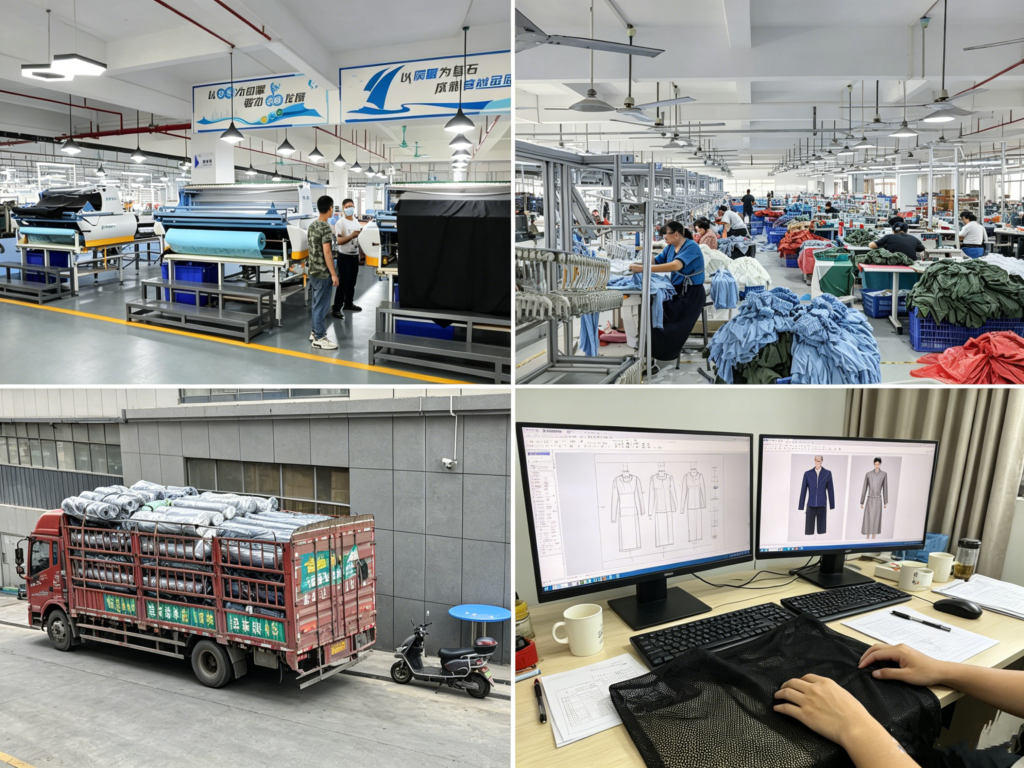
If you have any questions or require a quote, please leave
us a message. Our experts will get back to you within 24 hours to help you choose the ideal fashion products tailored to your needs.
Hi, I’m Lucy Cai, the founder of liantaoapparel.com. I’ve been managing a women’s clothing factory in China for over 16 years. With extensive experience in garment production and OEM services, I’m passionate about sharing insights into women’s fashion, apparel manufacturing, and global sourcing.
If you have any questions or need a quote, please contact us.
Please add us WhatsApp:+86 189 4809 3145
Provide us with detailed information about your requirements, supply design drawings or tech packs,
reference images, and share your ideas.
We will customize the best solution based on your needs and drawings, and provide a specific quote within 24 hours.
Once we receive your confirmation and deposit,we will commence mass production and take care of the subsequent shipping arrangements.