🏭 Looking for a Custom Apparel Manufacturer?
We are a leading OEM/ODM clothing factory with 20+ years of export experience. Custom styles, flexible MOQs, and retail-ready quality.
Microfiber fabric is a synthetic textile made from ultra-fine fibers, most commonly polyester, polyamide (nylon), or blends of these materials. Because the fibers are extremely fine, microfiber can deliver a combination of softness, lightweight comfort, durability, absorbency, and quick-drying performance.
Originally developed for cleaning applications because its fine fibers can effectively capture dust and dirt, microfiber has expanded into apparel, home textiles, outdoor products, and performance fabrics. Today, it is commonly considered for activewear, loungewear, bedding, outerwear, and other products where comfort and functional performance are important.
This guide explains what microfiber fabric is, how it is manufactured, the main types available, where it is used, how much it can cost, and the environmental considerations brands should evaluate before sourcing it.
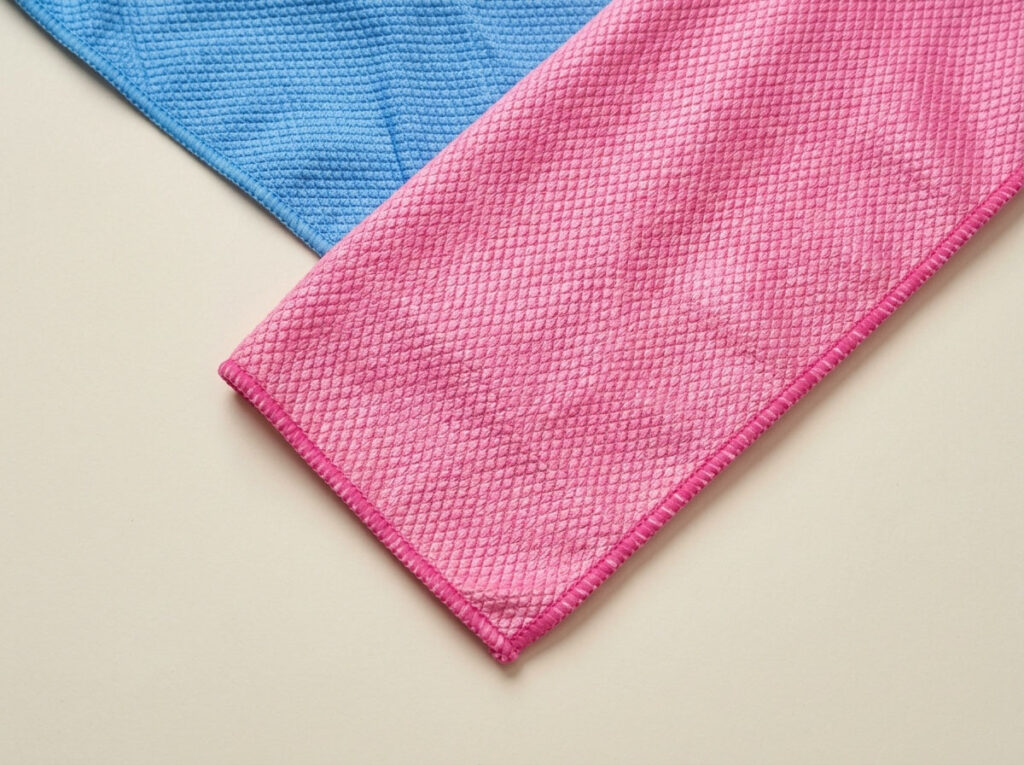
Microfiber fabric is a synthetic material made from extremely fine fibers, typically polyester and polyamide (nylon). These fibers can be engineered to create a smooth, soft hand feel while maintaining useful properties such as durability, absorbency, and stain resistance.
Microfiber technology developed during the 20th century as manufacturers sought to create high-performance synthetic fibers with extremely small diameters. The fibers are produced through extrusion and spinning processes and can subsequently be split into even finer strands.
The resulting fiber structure gives microfiber many of its characteristic properties, including softness, lightweight construction, and high surface area.
Microfiber first became particularly well known for cleaning cloths because its fine fiber structure can trap dust and particles effectively. As textile technology developed, manufacturers began applying microfiber to apparel and other textile products.
Today, microfiber is found in sportswear, outdoor products, towels, bedding, cleaning products, accessories, and various everyday garments.
Modern microfiber fabric is especially relevant to applications where a brand needs a balance of softness, durability, moisture management, and easy care.
For apparel manufacturers, fabric construction still matters. A knitted microfiber may provide greater flexibility and comfort, while a woven construction can offer a more structured hand and better dimensional stability depending on the specification.
Microfiber fabric stands out because its ultra-fine fiber structure creates a large surface area and allows manufacturers to engineer different combinations of softness, absorbency, durability, and drying performance.
Microfiber fabric is manufactured from synthetic polymers such as polyester and nylon. These polymers are processed into extremely fine filaments and then converted into woven or knitted textile structures.
The defining characteristic is the very small fiber diameter. The finer fiber structure increases the available surface area and contributes to the softness, absorbency, and performance associated with microfiber textiles.
For brands, the most important consideration is not simply the production country but whether the supplier can consistently control fiber specification, fabric construction, GSM, stretch, colorfastness, finishing, and other quality parameters.
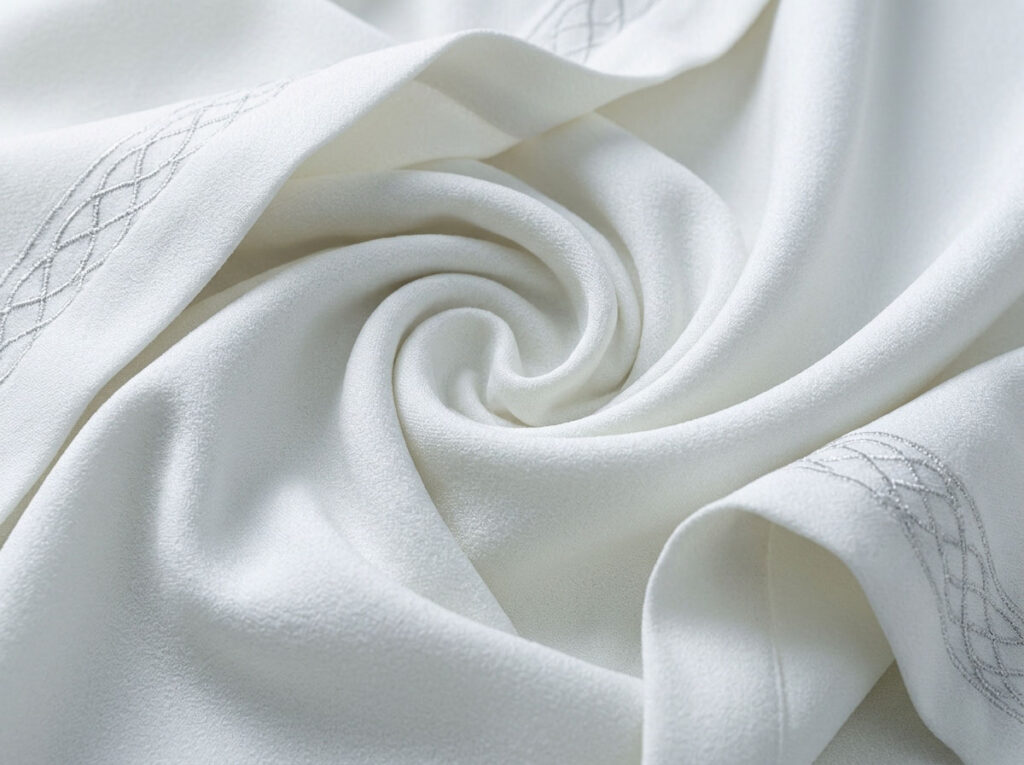
Microfiber fabric is available in different constructions and fiber combinations. Selecting the right type depends on the garment’s required hand feel, stretch, durability, moisture management, and end use.
Woven microfiber is constructed with interlaced yarns, creating a relatively stable and structured fabric.
It is commonly considered for outerwear, upholstery, accessories, and products that require durability and dimensional stability. Depending on the finishing process, woven microfiber can also provide useful water- or stain-resistant performance.
Knitted microfiber uses loops rather than a conventional woven structure, giving the fabric greater flexibility and stretch potential.
This makes it particularly useful for activewear, loungewear, lightweight jackets, base layers, and other garments where freedom of movement and softness are important.
Microfiber can also be combined with other fibers such as cotton, spandex, or additional polyester components to adjust performance.
For example, adding elastane can improve stretch and recovery, while blending with other fibers can change the hand feel, durability, moisture management, or cost structure.
For performance apparel, these blends allow designers and manufacturers to balance comfort, stretch, recovery, durability, and moisture management rather than relying on a single fiber characteristic.
Microfiber’s combination of softness, lightweight construction, moisture management, and durability makes it suitable for numerous apparel and textile applications.
These applications demonstrate why microfiber remains a versatile material across both apparel and non-apparel textile markets.
For apparel brands, however, fabric selection should always be based on the final product requirements. A microfiber fabric optimized for cleaning products is not automatically the best choice for next-to-skin activewear.
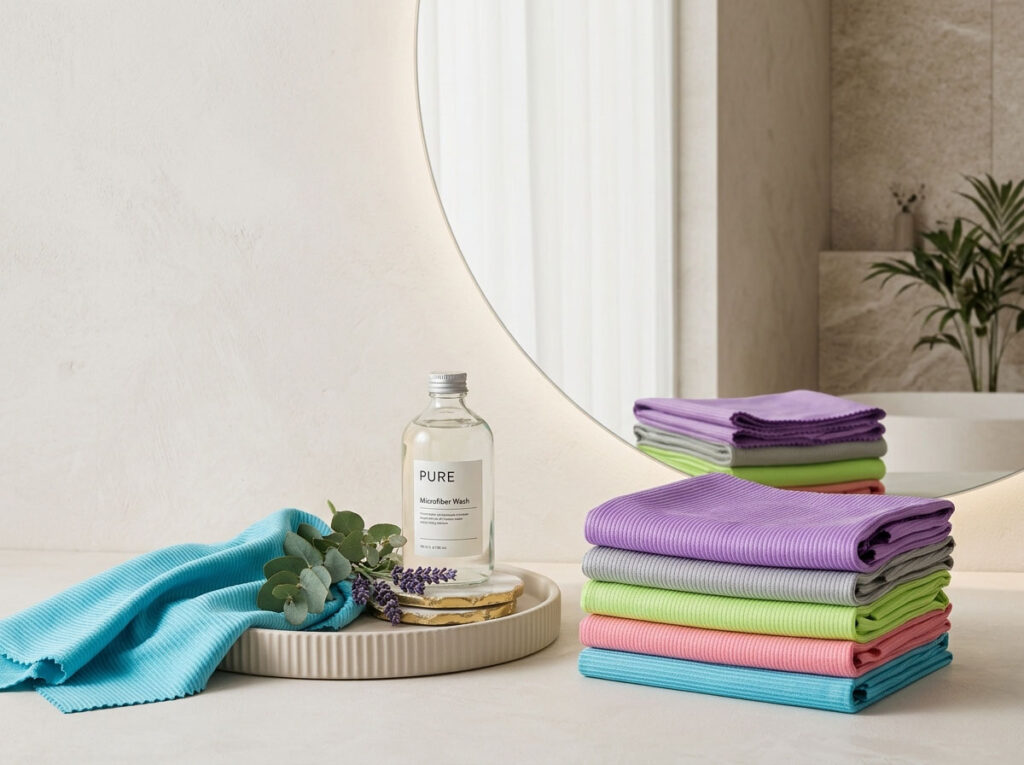
Microfiber fabric pricing can vary significantly depending on fiber composition, construction, weight, finishing, performance requirements, order quantity, production location, and certification requirements.
The original Liantao article provides the following indicative ranges:
These figures should be treated as indicative rather than fixed market prices. Current quotations can change according to GSM, width, yarn specification, dyeing requirements, finishing, MOQ, order volume, testing, certification, and logistics.
For brands sourcing microfiber for apparel production, comparing only the price per yard can be misleading. GSM, usable width, yield, shrinkage, fabric performance, MOQ, and finished-garment cost should also be evaluated.
Microfiber has a mixed environmental profile. Because it is generally made from synthetic polymers such as polyester or nylon, brands need to consider both its durability advantages and its potential contribution to synthetic fiber pollution.
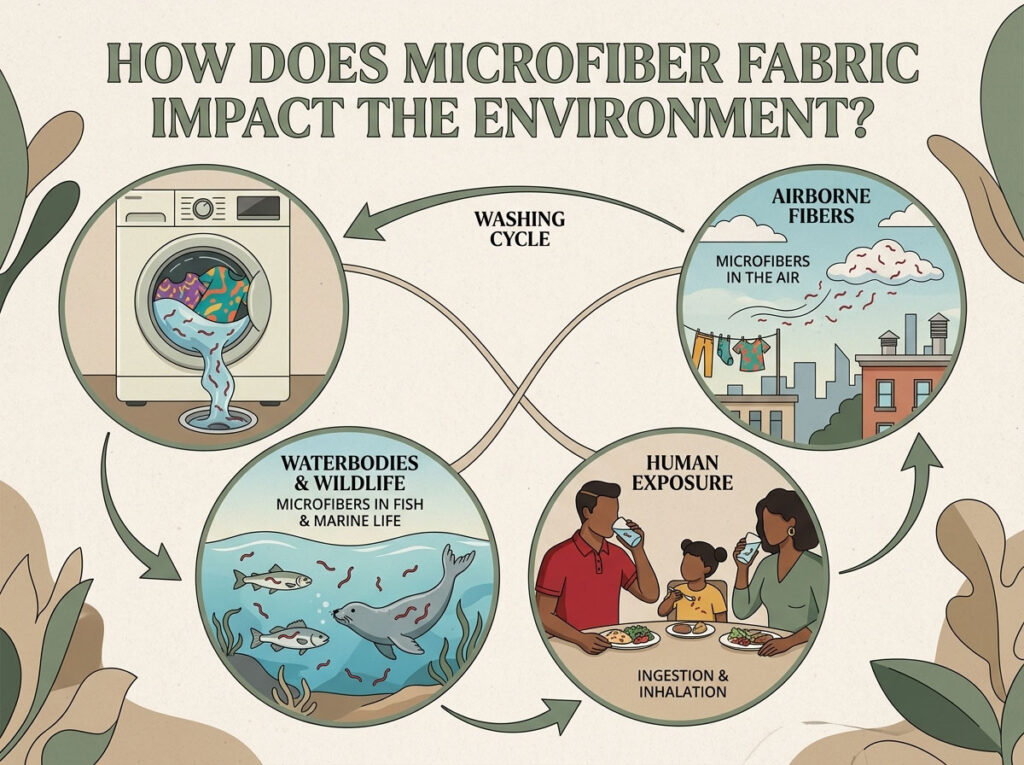
Brands and manufacturers can reduce the environmental impact of microfiber products through more responsible sourcing and production practices.
Potential measures include improving fabric durability, reducing unnecessary production waste, optimizing dyeing and finishing processes, selecting recycled inputs where technically and commercially appropriate, and considering microfiber shedding during product development.
Research into lower-impact synthetic fibers, recycled materials, improved filtration, and textile recycling may also help address some of the longer-term environmental challenges associated with microfiber.
For apparel manufacturers and fashion brands, microfiber quality should be evaluated through both physical performance and compliance requirements.
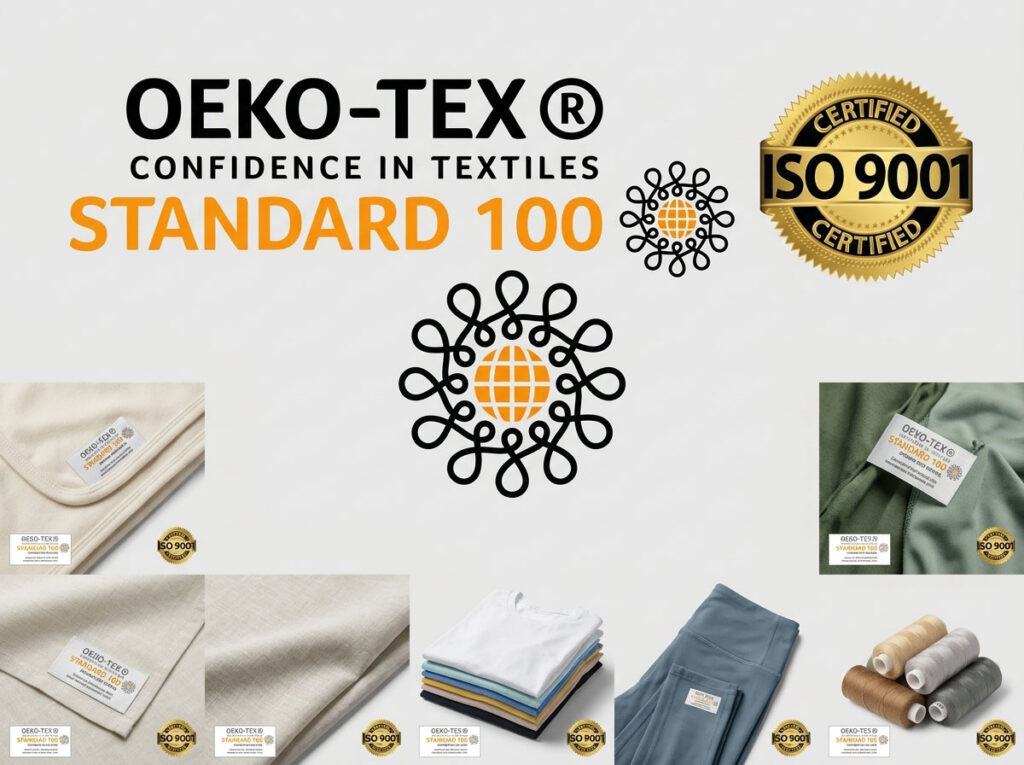
For microfiber apparel sourcing, certification is only one part of quality control. Brands should also evaluate fabric composition, GSM, width, shrinkage, colorfastness, pilling, abrasion resistance, stretch and recovery, moisture management, and bulk-production consistency. By combining laboratory testing, supplier audits, certification verification, and production quality control, brands can select microfiber fabrics that better match both product performance and commercial requirements.
Microfiber fabric has evolved from a specialized cleaning material into a versatile textile used across activewear, casual apparel, outerwear, bedding, accessories, and home textiles. Its ultra-fine fiber structure can deliver a useful combination of softness, lightweight comfort, durability, absorbency, and quick-drying performance.
However, microfiber is not automatically the right choice for every garment. The best fabric depends on the product’s required fiber composition, construction, GSM, stretch, hand feel, moisture management, durability, finishing, cost, and sustainability objectives.
For brands developing microfiber apparel, evaluating the complete fabric specification rather than focusing on fiber name alone is the most reliable way to achieve consistent product quality and commercial performance.
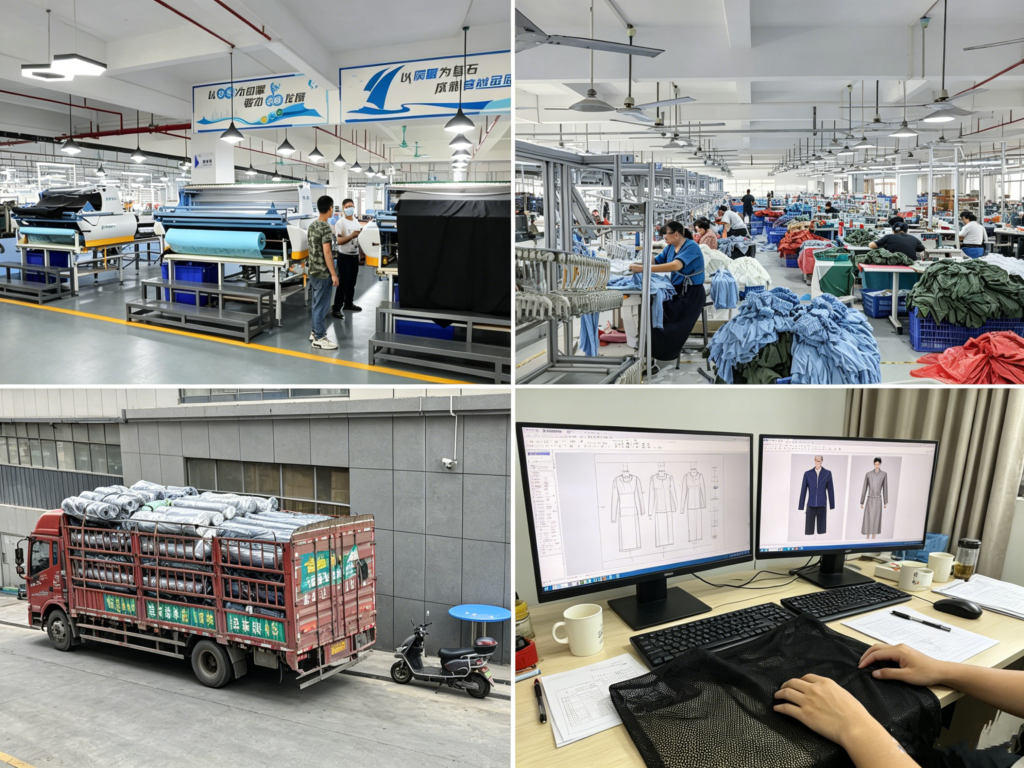
If you have any questions or require a quote, please leave
us a message. Our experts will get back to you within 24 hours to help you choose the ideal fashion products tailored to your needs.
Hi, I’m Lucy Cai, the founder of liantaoapparel.com. I’ve been managing a women’s clothing factory in China for over 16 years. With extensive experience in garment production and OEM services, I’m passionate about sharing insights into women’s fashion, apparel manufacturing, and global sourcing.
If you have any questions or need a quote, please contact us.
Please add us WhatsApp:+86 189 4809 3145
Provide us with detailed information about your requirements, supply design drawings or tech packs,
reference images, and share your ideas.
We will customize the best solution based on your needs and drawings, and provide a specific quote within 24 hours.
Once we receive your confirmation and deposit,we will commence mass production and take care of the subsequent shipping arrangements.