


🏭 Looking for a Custom Apparel Manufacturer?
We are a leading OEM/ODM clothing factory with 20+ years of export experience. Custom styles, flexible MOQs, and retail-ready quality.
Microfiber is a textile fiber category known for its extremely fine fiber structure. It is commonly used in clothing, sportswear, lightweight jackets, and other textile products. But what is microfiber fabric made of? Most commercial apparel microfiber fabrics use polyester or polyamide (nylon), although the term itself describes fiber fineness rather than a specific material.
Depending on fiber composition, yarn construction, and finishing, microfiber fabric can offer different combinations of softness, lightweight comfort, durability, and functional performance. For clothing brands and apparel buyers, understanding these differences is important when selecting materials for T-shirts, activewear, outerwear, and custom clothing collections.
This guide covers microfiber materials, fabric properties, common clothing applications, and the key specifications to check before sourcing microfiber for apparel production.
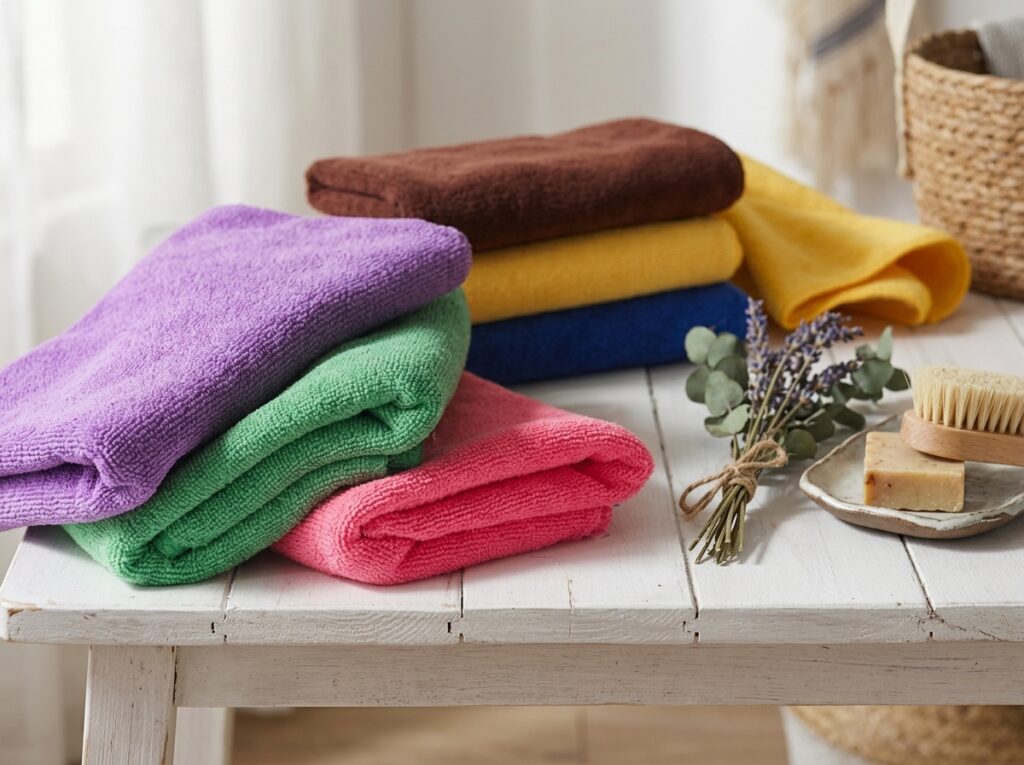
Microfiber is an extremely fine textile fiber defined by its small diameter or low linear density. According to ISO 5157:2023, a microfiber has a linear density of less than 1 decitex (dtex) or a diameter of less than 10 micrometers (μm).
Unlike terms such as cotton or polyester, which identify fiber materials, microfiber describes fiber fineness. This means microfiber can be produced from different materials rather than representing one specific fiber composition.
These terms are related but have different meanings:
Some synthetic microfiber products can release plastic microfibers during manufacturing, wearing, washing, and disposal. However, the term microfiber itself does not automatically mean microplastic.
For a standardized textile definition, see ISO 5157:2023 – Textiles: Environmental Aspects and Vocabulary.
Microfiber is made from very fine fibers produced through specialized manufacturing processes. The material composition determines many of its physical and functional characteristics.
In commercial apparel fabrics, polyester and polyamide are two common microfiber materials.
Polyester microfiber is widely used in clothing and textile products because it can be developed into lightweight fabrics with different surface textures and functional characteristics.
Common applications include:
Its actual performance depends on yarn specifications, fabric construction, and finishing treatments.
Polyamide microfiber is another common option. It is often selected for applications where softness, flexibility, and abrasion performance are important considerations.
Potential applications include:
The specific properties should always be evaluated using the actual fabric sample rather than assumed from the fiber name alone.
Some microfiber fabrics combine different fibers to achieve a particular balance of performance, comfort, and cost.
Examples include:
| Material composition | Common reason for selection | Potential applications |
|---|---|---|
| 100% polyester microfiber | Lightweight construction and versatile fabric development | Sportswear, jackets, casualwear |
| Polyester and elastane | Added stretch and flexibility | Leggings, activewear |
| Polyamide microfiber | Soft hand feel and flexibility | Performance apparel, lightweight outerwear |
| Polyamide and elastane | Stretch and close-fitting construction | Sportswear, fitted garments |
The table provides general material-selection guidance. Actual performance varies according to the fabric specification and manufacturing process.
Microfiber fabric can offer several useful characteristics for apparel production. However, these properties are not guaranteed by fiber fineness alone.
The final fabric performance depends on fiber composition, yarn structure, knitting or weaving method, fabric weight, and finishing treatments.
Fine fibers can create a smooth fabric surface and a soft touch. This characteristic makes some microfiber fabrics suitable for garments designed for close contact with the skin.
Microfiber yarns can be used to develop lightweight textile structures. This can be useful for sportswear, lightweight jackets, and travel clothing.
However, fabric weight still depends on yarn density and construction. Not every microfiber fabric is lightweight.
Some microfiber fabrics are engineered to support moisture movement across the fabric surface. Their performance depends on fiber properties, yarn structure, and finishing.
For activewear, buyers should evaluate moisture-management performance through appropriate fabric testing rather than relying only on the microfiber label.
Certain polyester and polyamide microfiber constructions can offer useful abrasion performance. However, durability varies by material and fabric structure.
For garments exposed to repeated friction, request relevant test information before confirming bulk production.
Microfiber fabrics can be developed with different surface finishes, including smooth, brushed, peach-skin, or other textured effects.
This flexibility allows brands to select fabrics for different product styles and market positioning.
Care instructions depend on the fiber composition, dyeing, finishing, and garment construction. Buyers should confirm washing and drying requirements with the fabric supplier before preparing product labels.
Microfiber fabric is used across different apparel categories because its fine fiber structure can be adapted to various fabric constructions and finishing requirements.
The right application depends on the desired garment performance, appearance, and price positioning.
Microfiber fabrics are used in some sportswear products, including training tops, lightweight jackets, and performance apparel.
When selecting microfiber for activewear, consider:
For close-fitting garments, the percentage of elastane and the fabric’s recovery performance are especially important.
Some microfiber fabrics are suitable for casual garments that require a smooth surface and lightweight feel.
Possible applications include:
The fabric construction should match the garment’s intended silhouette and drape.
Microfiber fabrics can also be used in lightweight outerwear and lining applications.
Depending on the construction and finishing, they may be developed for wind-resistant or water-repellent applications. These functions should not be assumed without testing or supplier specifications.
Outside apparel, microfiber is also used in cleaning cloths, upholstery, and household textiles. These products may use different fiber specifications and fabric structures from clothing materials.
For clothing brands, the important point is to select a microfiber fabric designed for the intended garment rather than choosing a material based on its name alone.
Microfiber, polyester, and cotton are not exactly equivalent categories. Microfiber describes fiber fineness, polyester identifies a synthetic fiber material, and cotton is a natural plant-based fiber.
This distinction matters when comparing fabrics for apparel development.
| Comparison | Microfiber | Conventional polyester | Cotton |
|---|---|---|---|
| What it describes | Fiber fineness | Synthetic fiber material | Natural plant fiber |
| Typical material | Often polyester or polyamide | Polyester | Cotton |
| Hand feel | Can be smooth and soft | Varies by construction | Varies by yarn and finishing |
| Weight | Can be engineered for lightweight fabrics | Varies | Varies |
| Moisture behavior | Depends on composition and construction | Depends on construction and finishing | Generally absorbs moisture |
| Common uses | Apparel, sportswear, cleaning textiles | Sportswear, casualwear, outerwear | T-shirts, shirts, casualwear |
| Care | Depends on composition and finishing | Usually easy-care, depending on fabric | May wrinkle or shrink depending on construction and treatment |
The key difference is that microfiber refers to how fine a fiber is, while polyester refers to what the fiber is made of.
Polyester can be produced in conventional or microfiber forms. Therefore, polyester microfiber is a specific type of polyester-based microfiber, not a completely separate material category.
Cotton is a natural fiber, while many commercial microfiber fabrics are made from synthetic materials such as polyester or polyamide.
Cotton is commonly selected for its natural hand feel and moisture absorption. Microfiber fabrics may offer different surface textures and engineered performance characteristics.
Neither material is automatically better. The best option depends on the garment design, intended use, and customer expectations.
Microfiber offers useful design possibilities, but brands should evaluate its limitations before selecting it for a clothing collection.
1. Soft surface options
Fine fibers can create smooth and soft fabric surfaces, depending on the construction and finishing.
2. Flexible fabric development
Microfiber can be manufactured into different knitted and woven structures, making it suitable for a range of apparel applications.
3. Lightweight fabric options
Some microfiber constructions are suitable for garments where a lightweight material is preferred.
4. Potential for functional finishes
Certain microfiber fabrics can be developed with additional finishes, such as water repellency or specific moisture-management properties. These functions require appropriate specifications and verification.
5. Multiple clothing applications
Microfiber is used in different product categories, from sportswear to casual clothing and outerwear.
1. Environmental concerns
Synthetic microfiber textiles can release microplastic fibers during production, use, washing, and disposal.
The European Environment Agency identifies the wearing and washing of synthetic textiles as recognized sources of microplastic pollution. It also notes that the amount released varies with textile characteristics and use conditions.
Read the European Environment Agency report on microplastics from textiles.
2. Performance varies between fabrics
The word microfiber does not guarantee breathability, moisture management, durability, or stretch. Buyers need to assess the actual fabric specification.
3. Material identification can be confusing
Some suppliers use microfiber as a broad marketing term. Without a clear composition and technical specification, it can be difficult to compare different materials accurately.
4. Care requirements may differ
Some microfiber fabrics require specific washing or drying conditions to maintain their surface and functional finishes.
Brands sourcing synthetic microfiber fabrics can consider several practical steps:
No single material choice or washing recommendation eliminates microfiber release. Environmental performance should be evaluated across the product lifecycle.
Choosing microfiber for clothing production requires more than checking the material name. Buyers should evaluate the fabric according to the garment’s intended use, technical requirements, and production conditions.
Start by identifying the exact material composition.
Ask the supplier whether the fabric contains polyester, polyamide, elastane, or other fibers. Confirm the percentage of each component before developing the garment specification.
Fabric weight, usually expressed in GSM, affects garment thickness, drape, and overall feel.
Also confirm:
The appropriate GSM depends on the garment category and design.
Request physical samples before making a bulk fabric decision.
Check whether the fabric matches the intended product in terms of softness, smoothness, drape, opacity, and surface appearance.
If the garment requires specific performance characteristics, identify the relevant tests.
For example:
| Garment requirement | What to evaluate |
|---|---|
| Activewear | Stretch, recovery, breathability, moisture management |
| Lightweight jackets | Weight, drape, construction, required water resistance |
| Casualwear | Hand feel, appearance, colorfastness |
| Close-fitting garments | Stretch, recovery, opacity, dimensional stability |
| Frequently washed garments | Washing durability, dimensional change, colorfastness |
Do not assume a fabric meets a requirement simply because it is described as microfiber.
Color consistency and surface finishing can affect the final garment appearance.
Confirm the required color standard, finish, and any special treatment before bulk fabric approval.
A fabric sample should be evaluated against the approved product specification.
For a more complete sourcing process, read our guide to Apparel Manufacturer Selection and Bulk Quality Control.
Use this checklist when evaluating a microfiber sample before garment development:
This checklist is a practical sourcing reference, not a claim that any particular factory has completed these inspections or achieved specific test results.
For clothing brands, sourcing microfiber fabric is part of a larger product-development process. The fabric must work with the garment design, pattern, construction, and intended production quantity.
Working with an experienced apparel manufacturer can help coordinate these steps.
Before contacting a manufacturer, prepare the basic garment requirements.
Include:
A clear brief helps the manufacturing team understand the product requirements.
Ask the manufacturer or fabric supplier to identify suitable fabric options based on your design.
Do not select a material only because it is labeled microfiber. Compare its composition, construction, weight, surface appearance, and relevant test information.
Once the fabric is selected, the garment can move into sample development.
Review the sample for fit, construction, fabric behavior, comfort, and overall appearance. If changes are needed, update the specifications before approving the final sample.
Before bulk production, confirm the approved fabric details and garment specifications.
Important points include:
Clear documentation helps reduce misunderstandings between the brand and manufacturer.
An OEM/ODM manufacturer can support different stages of apparel development, depending on the services offered.
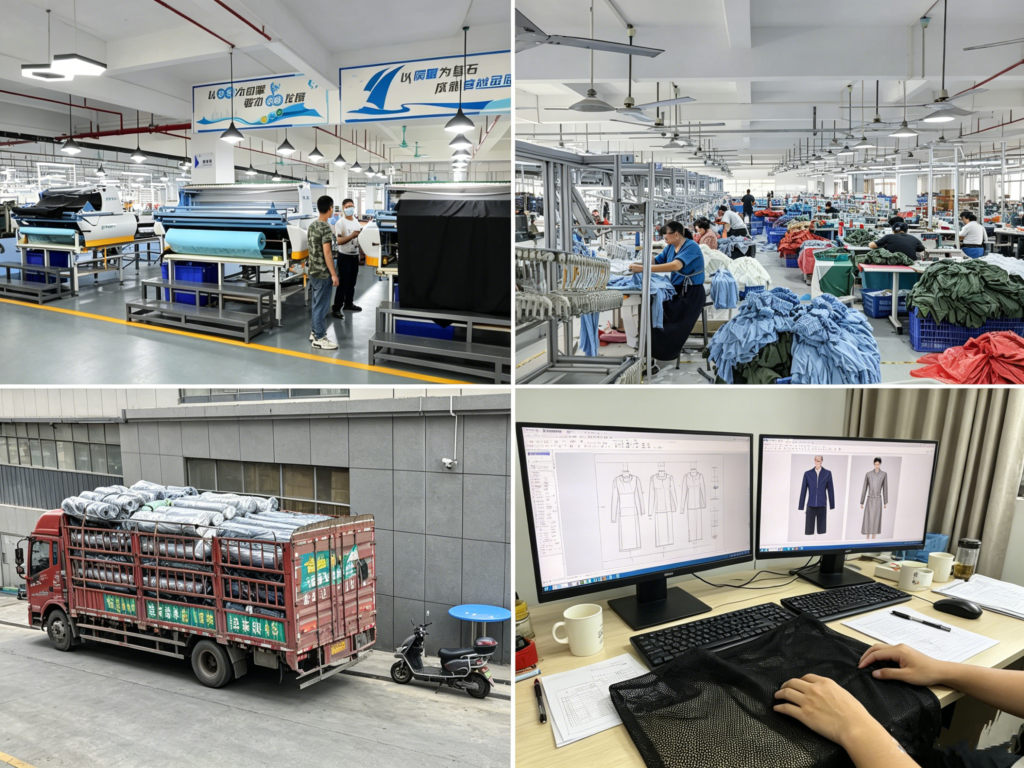
Liantao Apparel provides clothing manufacturing services, including pattern making, Tech Pack development, custom fabric options, and branding support.
If you are developing a new clothing line or looking for a manufacturing partner, explore our OEM and ODM Clothing Manufacturing Services.
The most suitable manufacturing partner should be able to understand your product requirements, communicate clearly about material options, and coordinate sample development and bulk production based on the approved specifications.
Microfiber describes fiber fineness rather than a specific material. Commercial microfiber fabrics commonly use synthetic materials such as polyester and polyamide, but the term itself does not define the fiber composition. Always check the product label or technical specification.
No. Polyester is a fiber material, while microfiber describes a fiber with a very fine diameter or low linear density. Polyester microfiber is one common type of microfiber fabric.
Breathability depends on fiber composition, yarn structure, fabric construction, thickness, and finishing. Some microfiber fabrics are engineered for apparel applications that require air permeability, but not every microfiber fabric is breathable to the same degree.
Some microfiber fabrics are suitable for sportswear, especially when their construction provides the required stretch, comfort, and moisture-management performance. Buyers should check the actual fabric specifications and test results before selecting a material for a specific sportswear product.
Some synthetic microfiber textiles can release microplastic fibers during manufacturing, wearing, washing, and disposal. The amount depends on factors such as material, fabric construction, garment condition, and care practices. Microfiber and microplastic are related terms, but they do not mean the same thing.
Microfiber is a textile fiber category defined by its extremely fine structure, not by one specific material composition. Polyester and polyamide are common materials used to produce microfiber fabrics for apparel and other textile applications.
For clothing brands and apparel buyers, the key is to evaluate the actual fabric rather than relying on the microfiber label. Check fiber composition, fabric weight, construction, hand feel, functional performance, and care requirements before approving a material for production.
With a clear product specification and a suitable manufacturing partner, microfiber can be considered for different clothing applications, including sportswear, casualwear, and lightweight outerwear.
If you have any questions or require a quote, please leave
us a message. Our experts will get back to you within 24 hours to help you choose the ideal fashion products tailored to your needs.
Hi, I’m Lucy Cai, the founder of liantaoapparel.com. I’ve been managing a women’s clothing factory in China for over 20 years. With extensive experience in garment production and OEM services, I’m passionate about sharing insights into women’s fashion, apparel manufacturing, and global sourcing.
If you have any questions or need a quote, please contact us.
Please add us WhatsApp:+86 189 4809 3145
Provide us with detailed information about your requirements, supply design drawings or tech packs,
reference images, and share your ideas.
We will customize the best solution based on your needs and drawings, and provide a specific quote within 24 hours.
Once we receive your confirmation and deposit,we will commence mass production and take care of the subsequent shipping arrangements.


