🏭 Looking for a Custom Apparel Manufacturer?
We are a leading OEM/ODM clothing factory with 20+ years of export experience. Custom styles, flexible MOQs, and retail-ready quality.
Sweatpants have been part of athletic and casual wardrobes for more than a century. Originally developed as practical sportswear, they were designed to provide warmth, comfort, and freedom of movement. Over time, however, a slimmer and more fashion-focused version emerged: the modern jogger.
So, when did sweatpants become joggers?
There was no single moment when sweatpants suddenly became joggers. The change was gradual. Traditional sweatpants remained associated with relaxed comfort, while joggers developed as a more tapered, versatile silhouette influenced by athleisure, streetwear, sneaker culture, and modern casual fashion.
The strongest shift happened during the 2010s, when sportswear increasingly moved beyond gyms and training environments into everyday wardrobes. Today, sweatpants and joggers coexist, serving different fit, fabric, and lifestyle needs.
At Liantao, understanding this evolution is useful for apparel brands because the difference between a traditional sweatpant and a modern jogger affects fabric selection, pattern development, construction, and market positioning.
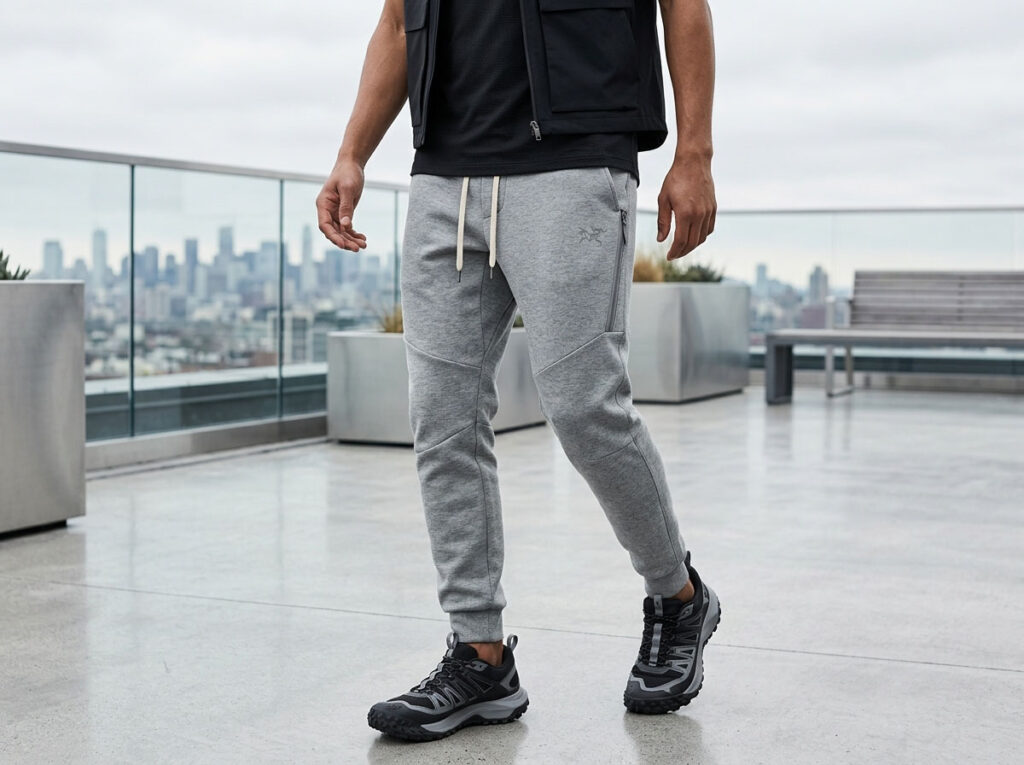
Before looking at the rise of joggers, it helps to understand where sweatpants came from.
Sweatpants are widely associated with French sportswear pioneer Émile Camuset and the development of knitted sports clothing at Le Coq Sportif. Le Coq Sportif’s own history places the company’s early sportswear development in the 1920s, when it began producing clothing designed around athletic movement.
The original concept was functional rather than fashionable: athletes needed soft, flexible garments that could help them stay warm during training and move comfortably.
For much of the 20th century, traditional sweatpants were generally loose, functional, and made from comfortable knitted fabrics. The major design transformation came later, when consumers began demanding sportswear that could also function as everyday fashion.
The transition from sweatpants to joggers happened gradually rather than at a single point in fashion history.
The modern jogger became increasingly visible in the early to mid-2010s, as athleisure made athletic clothing acceptable for everyday use. The shift was not simply about making pants tighter. It involved new proportions, ankle cuffs, lighter fabrics, improved finishing, technical materials, and more fashion-oriented styling.
The important distinction is that joggers did not replace sweatpants completely. Instead, a new category developed alongside the traditional one.
Sweatpants and joggers share the same basic purpose—comfortable lower-body clothing—but their design priorities are different.
Traditional sweatpants generally emphasize warmth, softness, and relaxed fit. Joggers place more emphasis on a tapered silhouette, controlled ankle width, versatility, and modern styling.
| Feature | Traditional Sweatpants | Modern Joggers |
|---|---|---|
| Fit | Loose or relaxed | Tapered or more streamlined |
| Ankle | Open or relaxed hem, sometimes cuffed | Usually elastic or ribbed cuff |
| Fabric | Cotton, fleece, French terry, blends | Cotton blends, fleece, polyester, nylon, stretch fabrics |
| Main Purpose | Warmth, lounging, casual comfort | Athleisure, casualwear, travel, streetwear, light training |
| Design | Simple and comfort-focused | More structured with pockets, panels, zippers, or tailored seams |
| Silhouette | Roomy through the leg | Narrower toward the ankle |
| Styling | Relaxed and traditional | Sporty, modern, and versatile |
The distinction is not absolute. A heavyweight tapered sweatpant can look similar to a relaxed jogger, while some joggers are intentionally oversized.
For apparel manufacturers, the difference is determined through pattern dimensions, leg shape, rise, ankle opening, fabric weight, waistband construction, and finishing details.
Several major fashion movements helped transform joggers from functional sportswear into mainstream casual fashion.
The most important were athleisure, streetwear, sneaker culture, and minimalist fashion. By the mid-2010s, athletic garments such as joggers, leggings, hoodies, and technical jackets were increasingly worn outside traditional sports settings.
The combination of comfort and visual simplicity gave joggers an advantage in a fashion market increasingly interested in versatility.
Joggers became a natural part of streetwear because their silhouette works particularly well with sneakers, hoodies, bomber jackets, oversized T-shirts, and layered outerwear.
By the mid-2010s, designer and contemporary streetwear brands helped move joggers beyond conventional gym clothing. The styling became less about athletic performance alone and more about creating a complete urban outfit.
This flexibility helped turn joggers into a cultural fashion product rather than simply a sports garment.
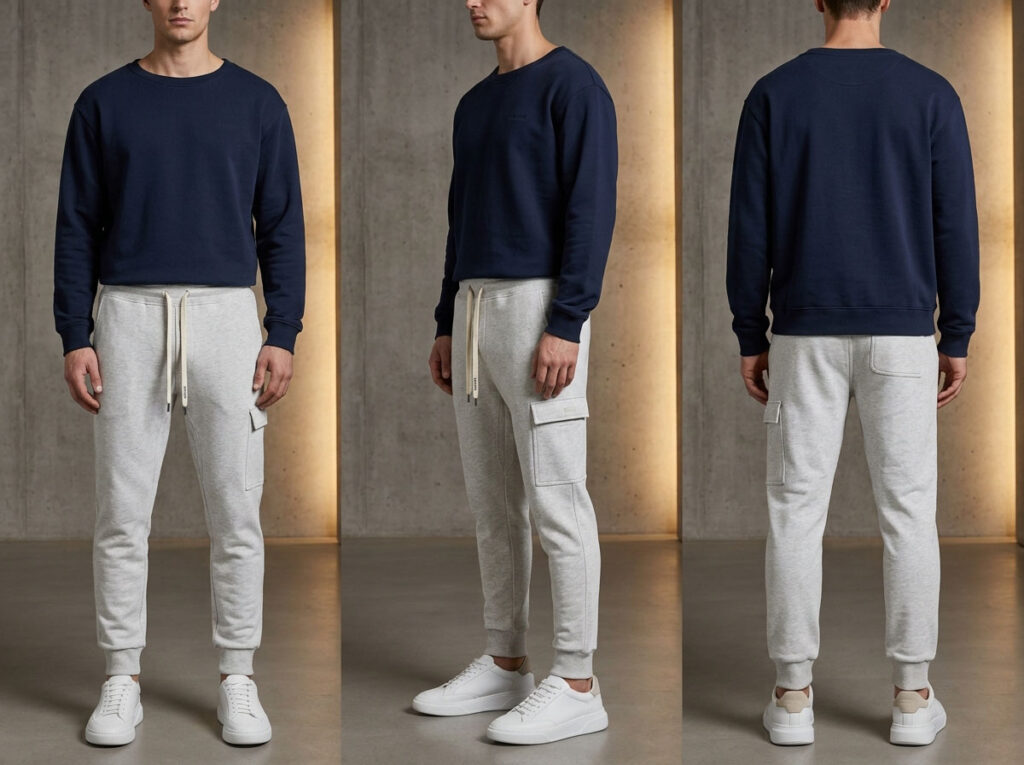
No. Joggers and sweatpants now occupy overlapping but distinct positions.
Sweatpants remain popular when warmth, softness, relaxed fit, and loungewear comfort are the primary objectives. Joggers are often preferred when a cleaner silhouette, lower fabric bulk, or more contemporary appearance is desired.
Choose Sweatpants If:
Choose Joggers If:
There is no universal winner. The best choice depends on activity, climate, fit preference, fabric, and styling goals.
Many sportswear, athleisure, and streetwear brands now offer joggers in different fabric weights, fits, and price levels.
Rather than calling one brand universally “best,” it is more useful to compare what each example emphasizes.
| Brand / Product Example | Key Positioning |
|---|---|
| Nike Tech Fleece | Technical, sporty, and warmth-focused |
| Adidas Tiro Joggers | Tapered, sport-oriented design |
| Lululemon ABC Jogger | Stretch-focused premium everyday wear |
| Fear of God Essentials | Relaxed premium streetwear |
| Aritzia TNA | Lifestyle-focused, minimalist casualwear |
These examples illustrate how the same basic jogger format can be positioned differently through fabric, fit, branding, styling, and target consumer.
For apparel brands, this is an important lesson: product differentiation does not require inventing an entirely new garment. Changes in fabric weight, taper, pocket construction, waistband, trims, and finishing can create a significantly different market position.
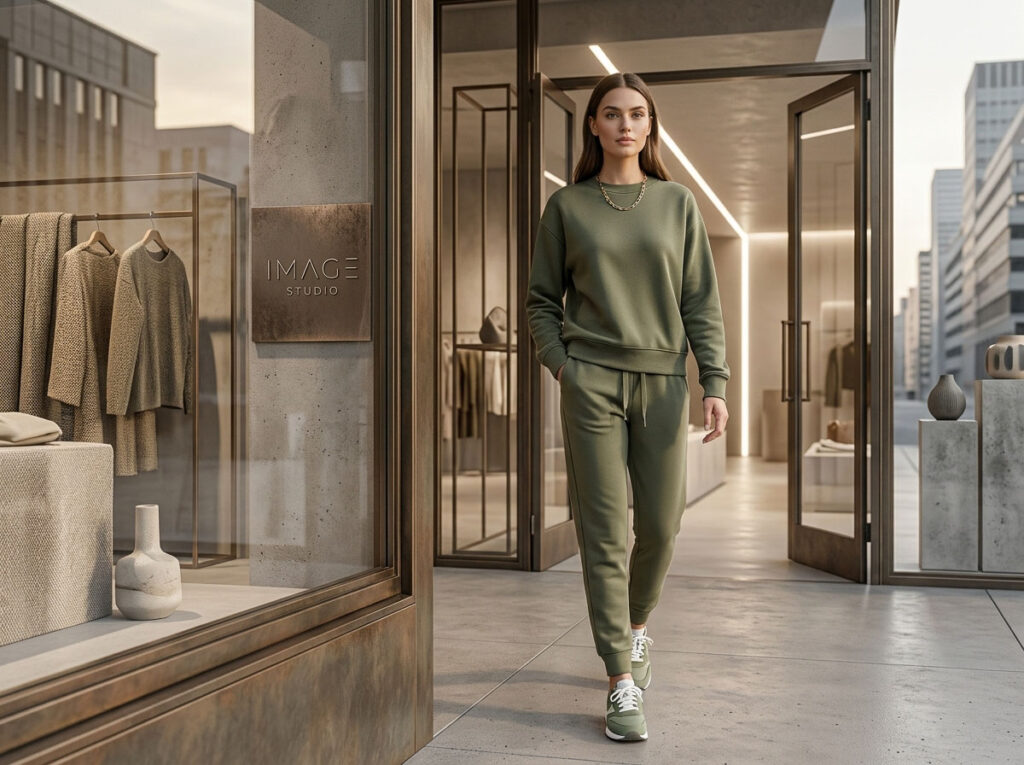
Joggers have already moved from basic athleticwear into mainstream lifestyle clothing. The next phase is likely to focus on material innovation, multifunctional construction, sustainability, and hybrid silhouettes.
The evolution is not about making every jogger more technical. Instead, brands are increasingly combining comfort, performance, and lifestyle design within the same product.
For manufacturers, each trend creates new product-development requirements. A technical jogger may require performance testing, while a tailored jogger requires greater control of pattern balance, fabric drape, and finishing.
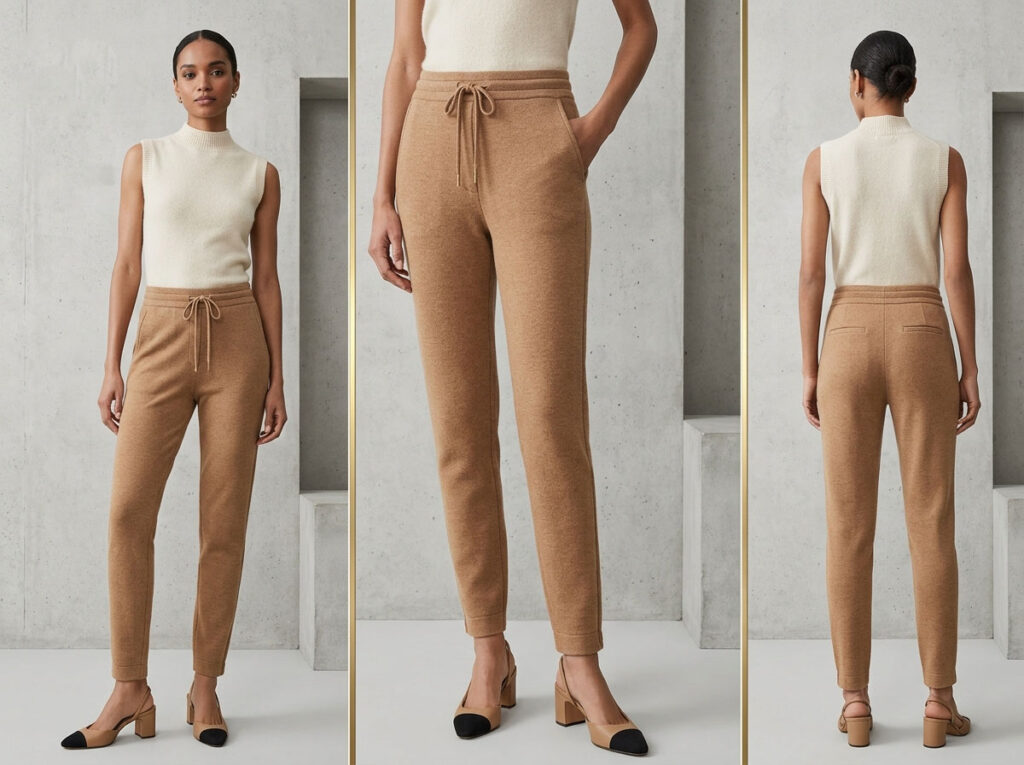
So, when did sweatpants become joggers? The answer is that they did not transform overnight.
Sweatpants originated as functional athletic clothing in the early 20th century, with Le Coq Sportif’s history linking Émile Camuset and the development of sports garments in the 1920s.
The modern jogger emerged much later as fashion shifted toward athleisure, streetwear, minimalism, sneaker culture, and multifunctional clothing. The major acceleration occurred during the 2010s, when tapered silhouettes, cuffed ankles, technical materials, and fashion-oriented styling made joggers suitable for everyday life.
Today, sweatpants and joggers are not simply competing versions of the same garment. They serve different needs. Sweatpants remain strong for warmth, lounging, and relaxed comfort, while joggers offer a more controlled silhouette for athleisure, travel, casualwear, and streetwear.
For apparel brands, this evolution creates a wide range of opportunities. Joggers can be developed in heavyweight fleece, lightweight French terry, stretch performance fabrics, woven technical materials, or tailored constructions depending on the target market.
At Liantao, jogger development can be built around the product’s intended use, including fabric sourcing, fit development, pattern engineering, sample production, bulk manufacturing, and quality control.
The history of the jogger shows how a simple sports garment can evolve into a major fashion category. The strongest modern designs succeed by combining comfort, functionality, fit, fabric innovation, and a clear lifestyle identity.
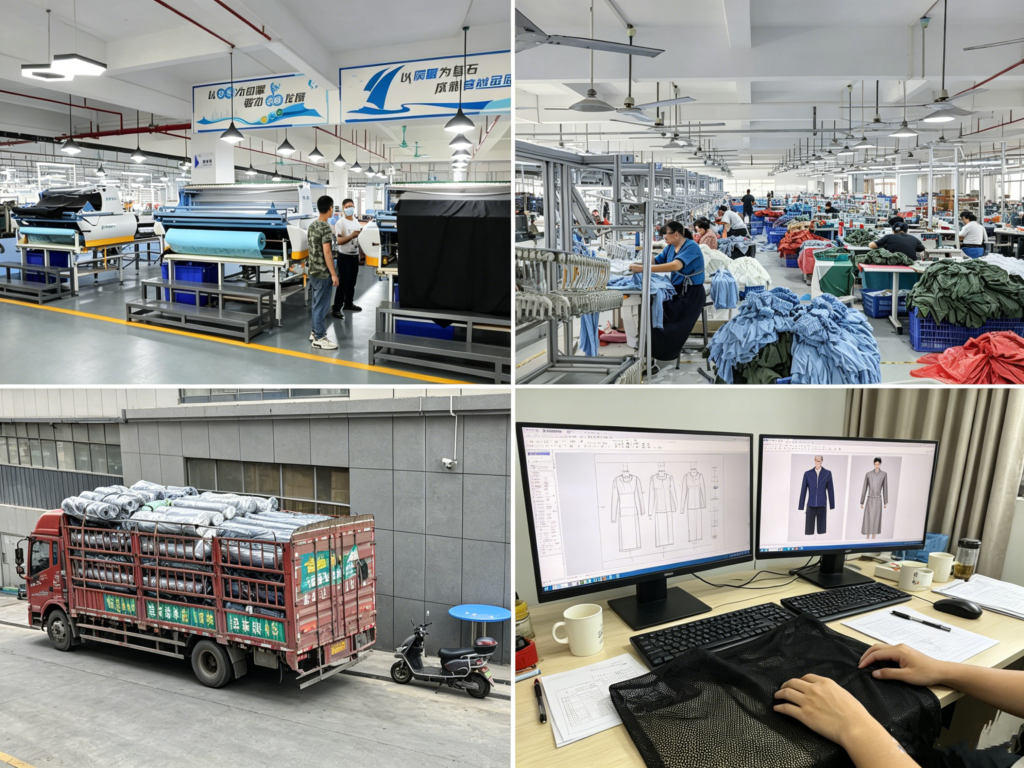
If you have any questions or require a quote, please leave
us a message. Our experts will get back to you within 24 hours to help you choose the ideal fashion products tailored to your needs.
Hi, I’m Lucy Cai, the founder of liantaoapparel.com. I’ve been managing a women’s clothing factory in China for over 16 years. With extensive experience in garment production and OEM services, I’m passionate about sharing insights into women’s fashion, apparel manufacturing, and global sourcing.
If you have any questions or need a quote, please contact us.
Please add us WhatsApp:+86 189 4809 3145
Provide us with detailed information about your requirements, supply design drawings or tech packs,
reference images, and share your ideas.
We will customize the best solution based on your needs and drawings, and provide a specific quote within 24 hours.
Once we receive your confirmation and deposit,we will commence mass production and take care of the subsequent shipping arrangements.