🏭 Looking for a Custom Apparel Manufacturer?
We are a leading OEM/ODM clothing factory with 20+ years of export experience. Custom styles, flexible MOQs, and retail-ready quality.
A Bathing Ape, better known as BAPE, has become one of the most recognizable names in premium streetwear. From its signature camouflage patterns to the iconic Shark Hoodie, BAPE has built a distinctive visual identity that continues to attract streetwear enthusiasts around the world.
But why are BAPE hoodies so expensive? The answer goes beyond fabric and construction. Pricing is influenced by brand heritage, distinctive design, limited availability, collaborations, cultural relevance, and the demand created around each release. This article explores the factors behind BAPE hoodie prices from both a fashion and apparel manufacturing perspective.
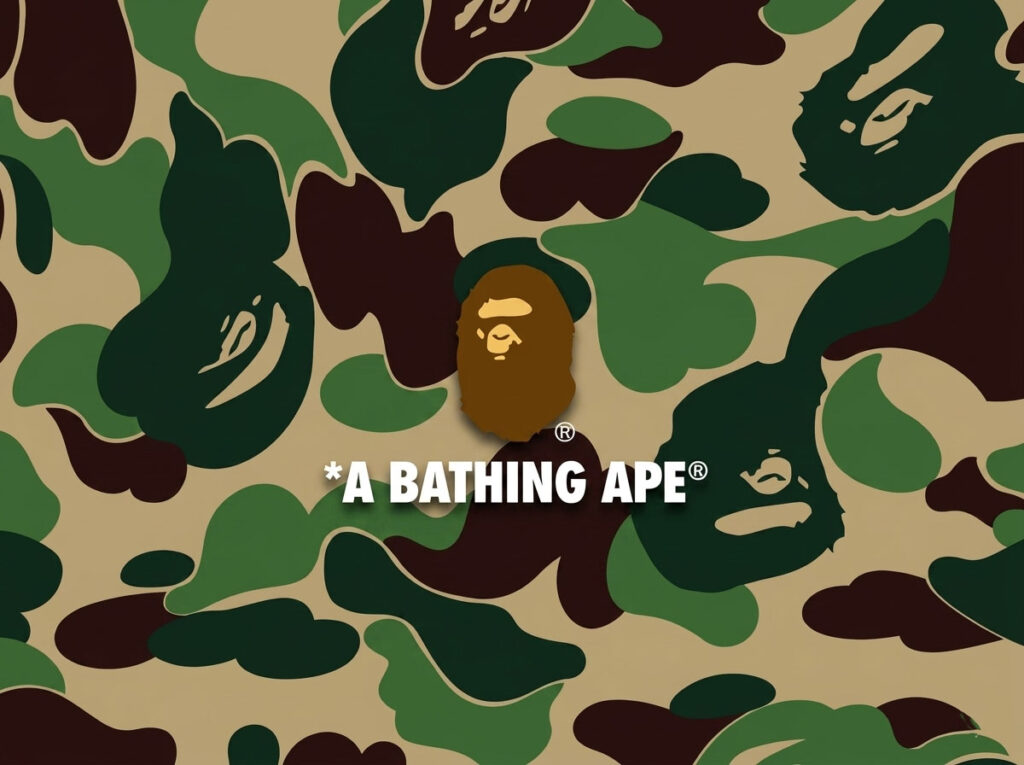
BAPE stands out in the luxury streetwear market because its pricing combines product quality with brand positioning and scarcity.
One important factor is the attention given to materials, construction, and finishing. A premium hoodie needs to balance comfort, durability, fit, and visual impact, while details such as stitching, printing, hardware, and graphic placement can significantly affect the finished product.
BAPE’s current official products demonstrate how these design elements work together. For example, BAPE offers Shark Hoodies featuring cotton construction, relaxed or regular silhouettes, camouflage patterns, and distinctive Shark graphics.
From a manufacturing perspective, premium streetwear requires more than simply choosing a heavyweight fabric. Consistent measurements, clean seams, reliable printing, fabric quality, and careful finishing all contribute to perceived product value.
Scarcity is another major reason BAPE hoodies can command premium prices.
Limited-edition releases create urgency because customers know that certain designs may not remain available indefinitely. Collaborations can increase this effect by combining BAPE’s recognizable visual language with another brand, artist, designer, or cultural property.
This strategy turns a hoodie from an everyday garment into a collectible fashion item. BAPE itself describes collaboration as an important part of its cultural identity and streetwear development.
BAPE was founded in Tokyo in 1993 and developed from the NOWHERE store in Harajuku. Over the following decades, the brand expanded from a small T-shirt collection into a broader lifestyle business spanning apparel, footwear, accessories, art, toys, music, and other categories.
The BAPE hoodie represents this combination of Japanese street culture, bold graphic design, and self-expression. Its recognizable visual elements help customers identify the brand immediately.
The Shark Hoodie is particularly important to BAPE’s identity. Its distinctive shark-face hood and camouflage treatments have become closely associated with the brand’s streetwear image. BAPE’s official history notes that the Shark Hoodie debuted in 2004 and has since become one of its iconic designs.
For consumers, wearing a BAPE hoodie can therefore communicate more than a preference for casual clothing. It can signal an interest in streetwear history, Japanese fashion, music culture, and limited-edition design.
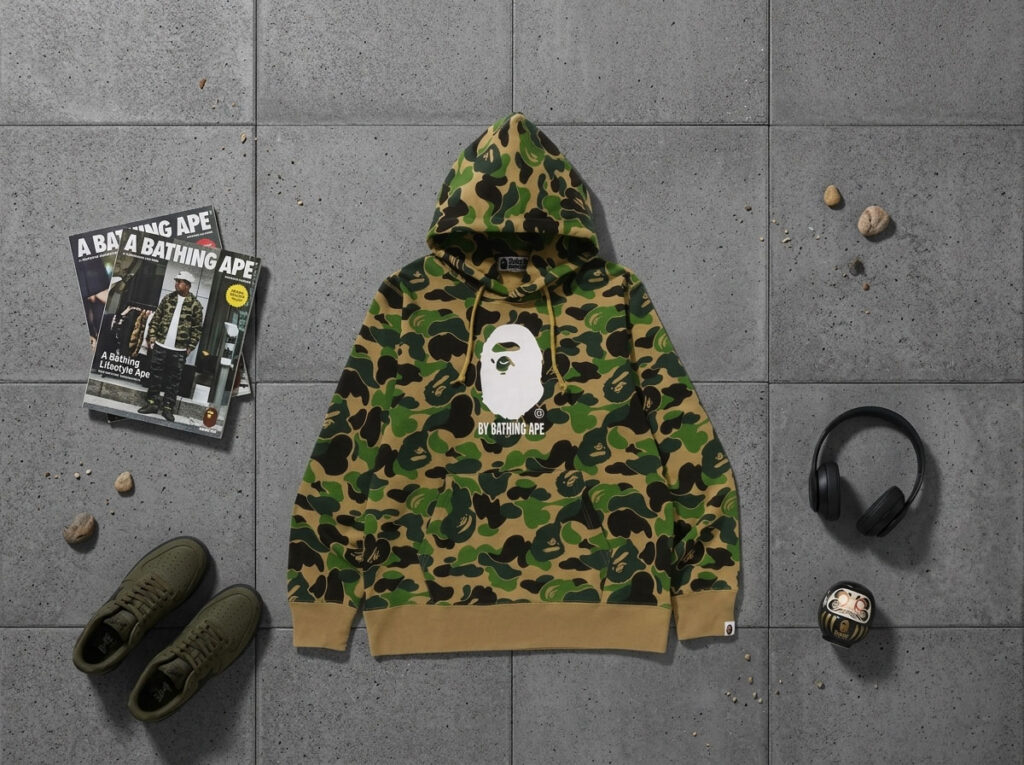
BAPE’s popularity comes from a combination of recognizable design, cultural relevance, and carefully controlled product positioning.
The brand’s camo patterns, Ape Head graphics, Shark Hoodie, and other visual elements create a consistent identity that can be recognized quickly. BAPE itself describes these elements as part of its distinctive visual language.
Celebrity and music culture have also helped connect BAPE with global streetwear audiences. When influential musicians, artists, and public figures wear distinctive streetwear, the clothing can gain cultural relevance beyond its original fashion category.
Scarcity adds another layer. When demand is higher than the availability of a particular release, consumers may place additional value on owning it. This can also contribute to a secondary market for sought-after BAPE pieces.
Ultimately, BAPE’s popularity is not based on one feature. It is the result of several factors working together:
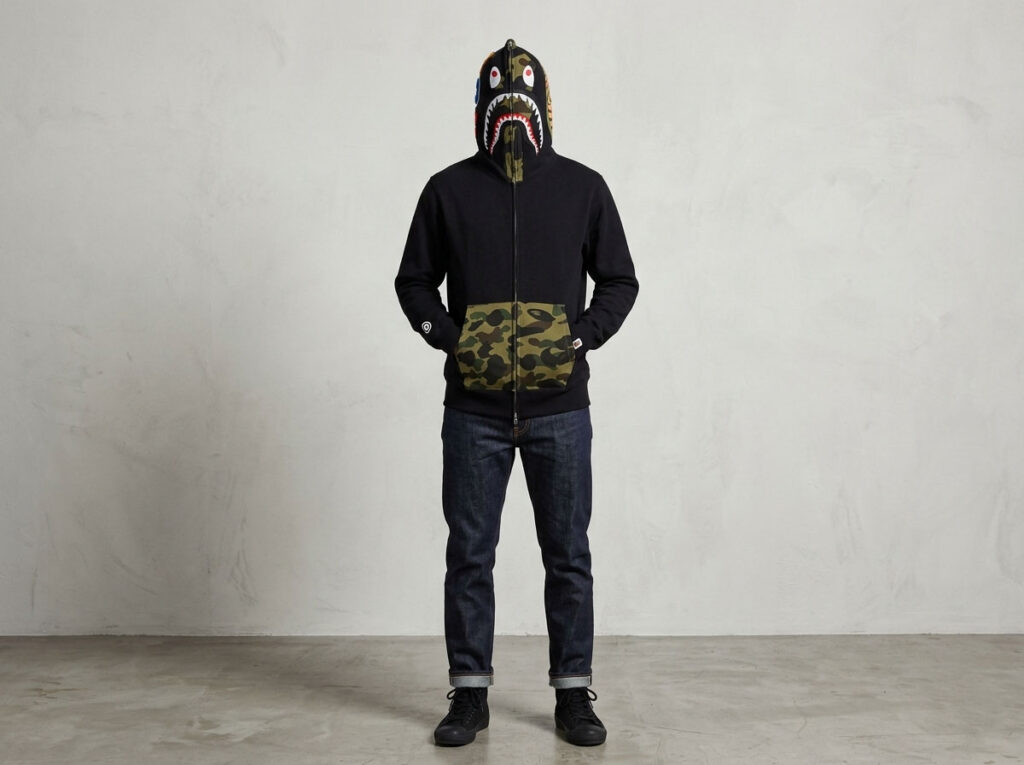
No. BAPE is an established Japanese streetwear brand founded in Tokyo in 1993. Its history, product archives, collaborations, and global retail presence have made it an influential name in contemporary street culture.
However, BAPE’s popularity also means buyers should pay attention to authenticity when purchasing from resale channels or unfamiliar sellers.
When evaluating a BAPE hoodie, consumers can examine several details:
For example, official BAPE listings identify specific materials and construction details for current Shark Hoodie products, making those specifications useful reference points when evaluating a product.
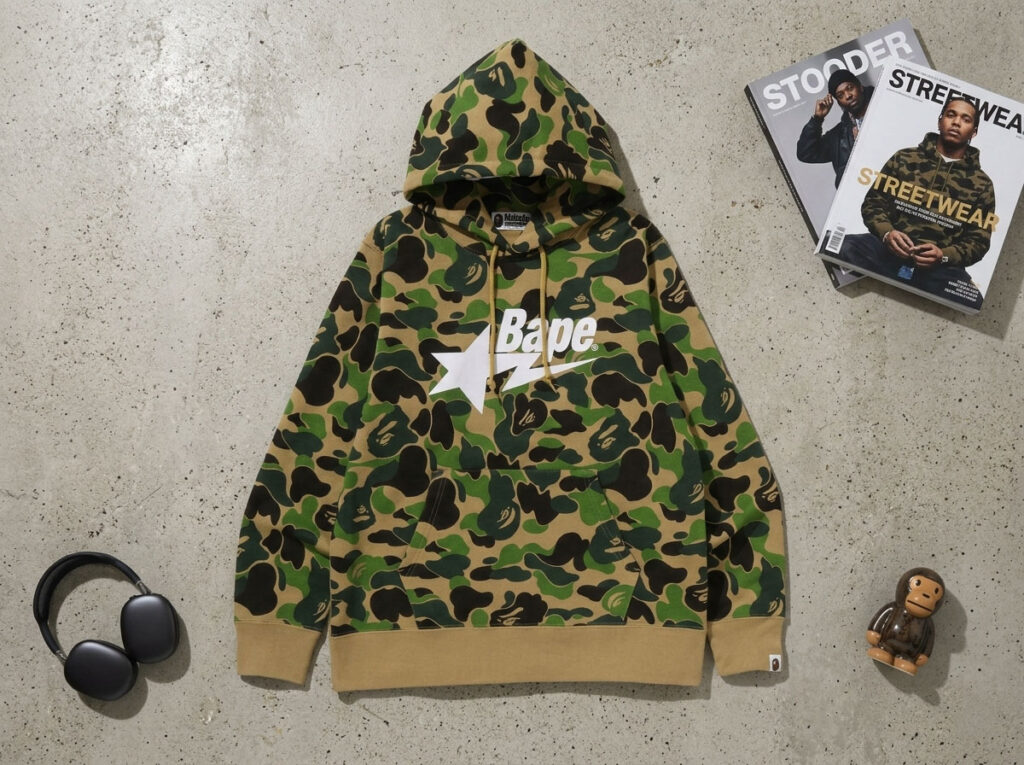
Hip-hop played an important role in introducing BAPE to wider international audiences. The relationship between streetwear and music helped transform certain clothing pieces from fashion products into cultural symbols.
Artists associated with BAPE helped increase the brand’s visibility among music and streetwear audiences. Names such as Pharrell Williams, Lil Wayne, and other influential artists became strongly associated with the broader BAPE movement.
This relationship was mutually beneficial. Music culture gave BAPE additional visibility, while BAPE’s bold graphics and limited releases provided artists and fans with clothing that felt distinctive and expressive.
Over time, this interaction between music, fashion, art, and youth culture helped BAPE move beyond its Japanese origins and become a global streetwear name. BAPE’s own history emphasizes its long-standing connection with fashion, movies, music, and other cultural influences.
For apparel brands and manufacturers, BAPE’s success also demonstrates an important lesson: a recognizable product can become significantly more valuable when design, storytelling, scarcity, and cultural positioning work together.
BAPE hoodie prices are shaped by much more than the cost of fabric and manufacturing. Quality construction, distinctive graphics, brand heritage, limited releases, collaborations, and cultural relevance all contribute to the perceived value of BAPE streetwear.
The brand’s history began in Harajuku in 1993, but its influence has expanded far beyond Japan. Today, BAPE continues to use recognizable design elements such as BAPE CAMO, APE HEAD, and the Shark Hoodie to build a strong and evolving visual identity.
For apparel businesses, the bigger takeaway is that successful streetwear is rarely just about producing a basic hoodie. Fabric quality, silhouette, graphic execution, customization, storytelling, and consistent manufacturing standards all play a role in creating a product that customers remember.
For brands looking to develop their own premium streetwear or custom hoodie collections, working with an experienced manufacturer can help translate a design concept into a scalable product while maintaining control over fabric, fit, printing, embroidery, trims, and finishing.

If you have any questions or require a quote, please leave
us a message. Our experts will get back to you within 24 hours to help you choose the ideal fashion products tailored to your needs.
Hi, I’m Lucy Cai, the founder of liantaoapparel.com. I’ve been managing a women’s clothing factory in China for over 16 years. With extensive experience in garment production and OEM services, I’m passionate about sharing insights into women’s fashion, apparel manufacturing, and global sourcing.
If you have any questions or need a quote, please contact us.
Please add us WhatsApp:+86 189 4809 3145
Provide us with detailed information about your requirements, supply design drawings or tech packs,
reference images, and share your ideas.
We will customize the best solution based on your needs and drawings, and provide a specific quote within 24 hours.
Once we receive your confirmation and deposit,we will commence mass production and take care of the subsequent shipping arrangements.