


🏭 Looking for a Custom Apparel Manufacturer?
We are a leading OEM/ODM clothing factory with 20+ years of export experience. Custom styles, flexible MOQs, and retail-ready quality.
Apparel is a common term in the fashion and clothing industry, but what exactly does it mean? Whether you are building a clothing brand, sourcing products, or working with a garment manufacturer, understanding the apparel definition can help you communicate more clearly and make better business decisions.
In this guide, we explain what apparel means, the different types of apparel, how apparel differs from clothing and garments, and how apparel products are developed and manufactured. We also cover important considerations for brands choosing apparel products and manufacturing partners.

The word apparel refers to clothing or garments worn by people. It is commonly used in the fashion, retail, and textile industries to describe products designed to cover and protect the body or serve a particular style or functional purpose.
According to the Cambridge Dictionary’s definition of apparel, apparel means clothing, especially in a business or formal context.
In everyday language, people often use the word “clothing.” In professional settings, however, “apparel” is frequently used when discussing product categories, sourcing, manufacturing, and retail operations.
For example, apparel products include:
The term usually refers to clothing itself. Whether accessories such as bags, shoes, and hats are included depends on the classification used by a particular retailer or business.
For clothing brands and manufacturers, apparel is more than a general word for clothes. It also describes a broad product category that involves design, fabric selection, product development, production, and distribution.
Apparel can be divided into several categories according to its purpose, style, target customer, and intended use. Understanding these categories helps brands plan their collections and identify suitable products for their markets.
Casual apparel is designed for everyday wear. Comfort, versatility, and easy styling are important considerations.
Common examples include:
Brands often focus on comfortable fabrics, practical fits, and versatile colors when developing casual apparel collections.
Formal apparel is designed for professional occasions, business environments, and special events.
Examples include:
Fabric quality, construction, fit, and finishing details are particularly important for this category.
Sportswear and activewear are designed for exercise, training, and other physical activities. Their construction and fabric choices should support the intended level of movement and comfort.
Common products include:
Brands developing activewear should consider stretch, recovery, breathability, and fabric durability.
Outerwear refers to clothing worn over other garments, generally for warmth, weather protection, or styling.
Examples include:
Material selection depends on the product’s intended function, climate, and design.
Sleepwear is designed for sleeping, while loungewear is intended for relaxing at home or enjoying comfortable everyday activities.
Common products include:
Softness, comfort, and ease of movement are important considerations when developing these products.
Apparel, clothing, and garments are closely related terms. Although they are sometimes used interchangeably, their usage can differ depending on the context.
| Term | Meaning | Common Usage |
|---|---|---|
| Apparel | Clothing as a broad product category | Fashion business, retail, sourcing, and manufacturing |
| Clothing | Items people wear | Everyday conversations and general descriptions |
| Garment | An individual item of clothing | Pattern making, sewing, production, and quality inspection |
Apparel is commonly used in commercial and industry-related contexts. For example, businesses may use terms such as apparel products, apparel sourcing, and apparel manufacturing.
Clothing is a general word for items worn on the body. It is commonly used in everyday communication and can refer to different types of garments collectively.
A garment usually refers to one specific item of clothing. In manufacturing, this term is often used when discussing construction, measurements, sewing operations, and product inspection.
For example, a hoodie is a garment, while a collection of hoodies, T-shirts, and pants can be described as an apparel collection.
Understanding these differences helps brands communicate more precisely with designers, suppliers, and manufacturing partners.
The apparel industry covers a wide range of clothing products for different customer groups and market segments.
Women’s apparel includes products designed for different occasions, styles, and preferences.
Common examples include:
Men’s apparel includes casual, formal, and functional clothing.
Typical products include:
Children’s apparel is designed for babies, toddlers, and older children. Comfort, suitable materials, and practical construction are important considerations.
Examples include:
Some apparel products are developed for specific activities, working environments, or functional requirements.
Examples include:
For clothing brands, choosing the right product category depends on the target customer, brand positioning, price range, and market demand.

Apparel manufacturing involves several stages, from initial product planning to finished garment inspection. The exact process may vary depending on the product, fabric, design complexity, and manufacturer’s workflow.
The main stages generally include the following.
The process begins with a product concept or design. Brands define the garment’s appearance, fit, measurements, construction details, and required materials.
A Tech Pack helps communicate these requirements to the manufacturer. It may include:
Clear specifications help reduce misunderstandings during product development.
Fabric selection affects the garment’s appearance, comfort, performance, and cost.
Brands should consider:
The right material should match both the design requirements and the expectations of the target customer.
Pattern making translates a design into the pattern pieces needed to construct a garment.
A sample is then developed to evaluate the design before bulk production. Brands can review the fit, measurements, construction, fabric, and finishing details.
If adjustments are needed, the sample can be revised before approval.
After the sample and production specifications are approved, the manufacturer can proceed with bulk production.
Depending on the order, production may involve fabric preparation, cutting, sewing, finishing, and labeling.
Consistent production instructions help ensure that bulk garments follow the approved specifications.

Quality inspection helps identify problems before finished products are shipped.
Common inspection points include:
A clearly defined inspection process helps brands maintain product consistency.
The general apparel manufacturing process can be summarized as:
Design and Tech Pack → Fabric Sourcing → Pattern Making → Sample Development → Bulk Production → Quality Inspection
The U.S. Bureau of Labor Statistics provides information about the apparel manufacturing industry and its production-related activities.
Choosing the right apparel products is an important decision for clothing brands. A product should fit the brand’s identity while meeting customer expectations and production requirements.
Start by identifying who will buy your products. Consider their age group, lifestyle, preferred styles, purchasing habits, and intended use.
A brand targeting everyday casual wear may prioritize comfortable T-shirts and sweatshirts, while a performance-focused brand may need functional activewear.
Avoid developing too many unrelated products at the beginning. A focused product range can make it easier to manage design, sourcing, and production.
For example, a brand may begin with a collection of T-shirts, hoodies, and sweatpants before expanding into other categories.
Fabric and fit have a direct impact on how customers experience a garment.
Before confirming a product, consider:
Product development should also account for fabric costs, trims, construction complexity, branding, packaging, and order quantities.
A design that looks attractive may still require adjustments if its materials or construction are difficult to produce within the brand’s budget.
Samples allow brands to evaluate a product before committing to a larger order.
Check measurements, fit, fabric quality, stitching, and finishing. Provide clear feedback so the manufacturer can make necessary adjustments.
Choosing an apparel manufacturer is an important step for brands planning to develop custom clothing products. A suitable manufacturing partner should understand your product requirements and have the capabilities to support your development and production needs.
Here are five factors to evaluate.
Review the manufacturer’s background and experience with the types of products you plan to develop.
Experience with similar garments can help the manufacturer understand fabric requirements, construction methods, and production details.
OEM and ODM services support different brand development needs.
If you need support with custom product development, review the manufacturer’s custom OEM and ODM clothing manufacturing services.
Sampling is an important part of product development. Ask whether the manufacturer can support pattern making, Tech Pack development, fabric selection, and sample revisions.
A clear sampling process helps brands evaluate products before bulk production.
Ask how the manufacturer checks fabric, measurements, stitching, construction, and finished garments.
It is also useful to understand how quality issues are communicated and handled during production.
For additional guidance, read our article on how to choose a reliable apparel manufacturer.
A manufacturer should be able to explain its production process, order requirements, communication procedures, and delivery arrangements.
Before placing an order, confirm the product specifications, approved sample, pricing, production schedule, and quality expectations.
For brands developing casual clothing collections, understanding sweatshirt fabric selection and custom manufacturing can also help when evaluating product requirements.
In fashion, apparel refers to clothing worn by people. It includes products such as T-shirts, dresses, pants, jackets, activewear, and sleepwear. The term is commonly used in fashion retail, sourcing, and manufacturing.
Apparel and clothing have very similar meanings. Clothing is more common in everyday language, while apparel is frequently used in business and industry contexts.
Examples include T-shirts, shirts, dresses, skirts, pants, shorts, hoodies, sweatshirts, jackets, activewear, swimwear, and sleepwear.
An apparel manufacturer is a company that produces clothing products for brands, retailers, or other businesses. Depending on its capabilities, it may provide services such as pattern making, sampling, fabric sourcing, custom branding, and bulk production.
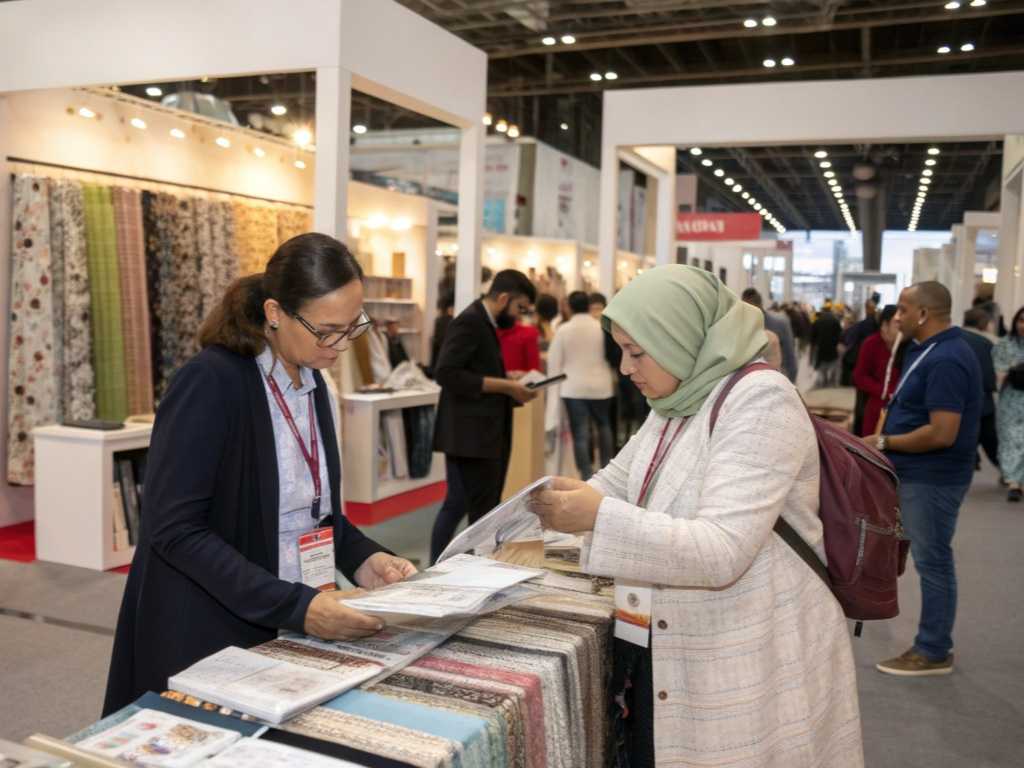
Understanding the apparel definition helps brands communicate more effectively when planning products, sourcing materials, and working with manufacturers. Apparel covers a broad range of clothing categories, from everyday T-shirts and hoodies to formalwear, activewear, and sleepwear.
For brands developing their own clothing collections, choosing suitable products and a reliable manufacturing partner is essential. By understanding the manufacturing process, reviewing samples, and confirming quality requirements before bulk production, brands can make more informed decisions and build products that match their market needs.
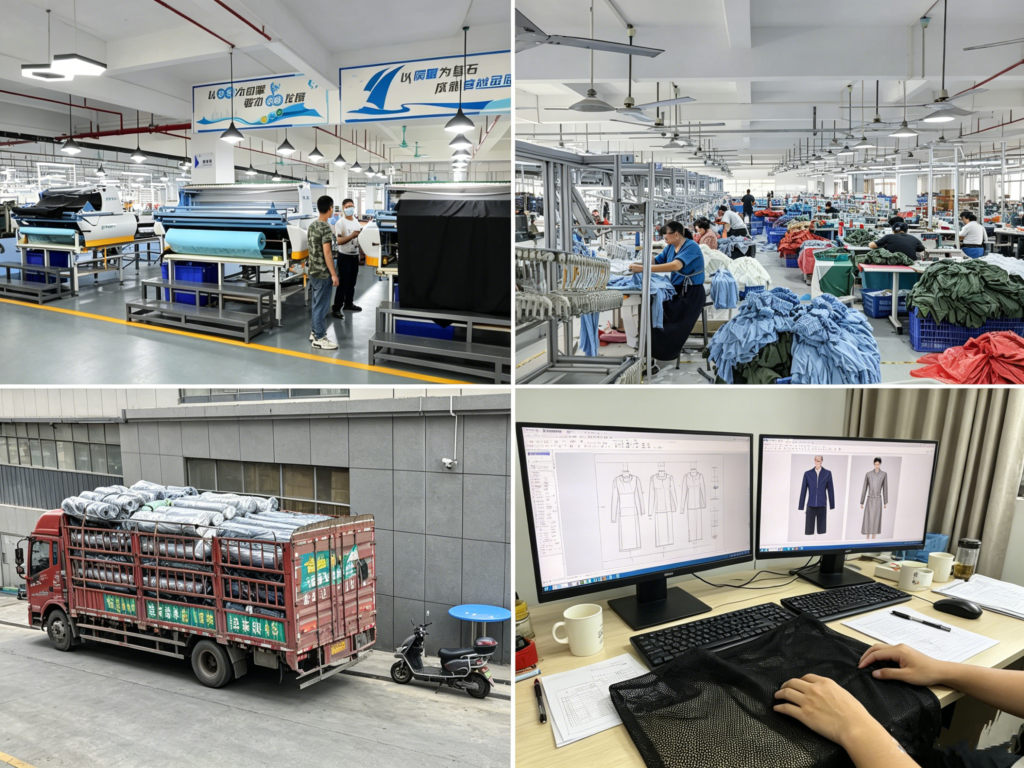
If you have any questions or require a quote, please leave
us a message. Our experts will get back to you within 24 hours to help you choose the ideal fashion products tailored to your needs.
Hi, I’m Lucy Cai, the founder of liantaoapparel.com. I’ve been managing a women’s clothing factory in China for over 20 years. With extensive experience in garment production and OEM services, I’m passionate about sharing insights into women’s fashion, apparel manufacturing, and global sourcing.
If you have any questions or need a quote, please contact us.
Please add us WhatsApp:+86 189 4809 3145
Provide us with detailed information about your requirements, supply design drawings or tech packs,
reference images, and share your ideas.
We will customize the best solution based on your needs and drawings, and provide a specific quote within 24 hours.
Once we receive your confirmation and deposit,we will commence mass production and take care of the subsequent shipping arrangements.


