


🏭 Looking for a Custom Apparel Manufacturer?
We are a leading OEM/ODM clothing factory with 20+ years of export experience. Custom styles, flexible MOQs, and retail-ready quality.
Pants are an essential part of almost every clothing collection. From casual everyday trousers to formal dress pants and performance-oriented styles, different types of pants serve different needs, occasions, and customer preferences.
For clothing brands, understanding pants styles, fits, and fabric options is important when developing products for a target market. The right combination of design, material, and construction can influence a garment’s appearance, comfort, durability, and overall appeal.
In this guide, we will explore the most popular types of pants for men and women, explain how different fits and fabrics affect a design, and compare common pants styles. We will also cover practical considerations for brands planning to develop custom pants through OEM or ODM manufacturing.
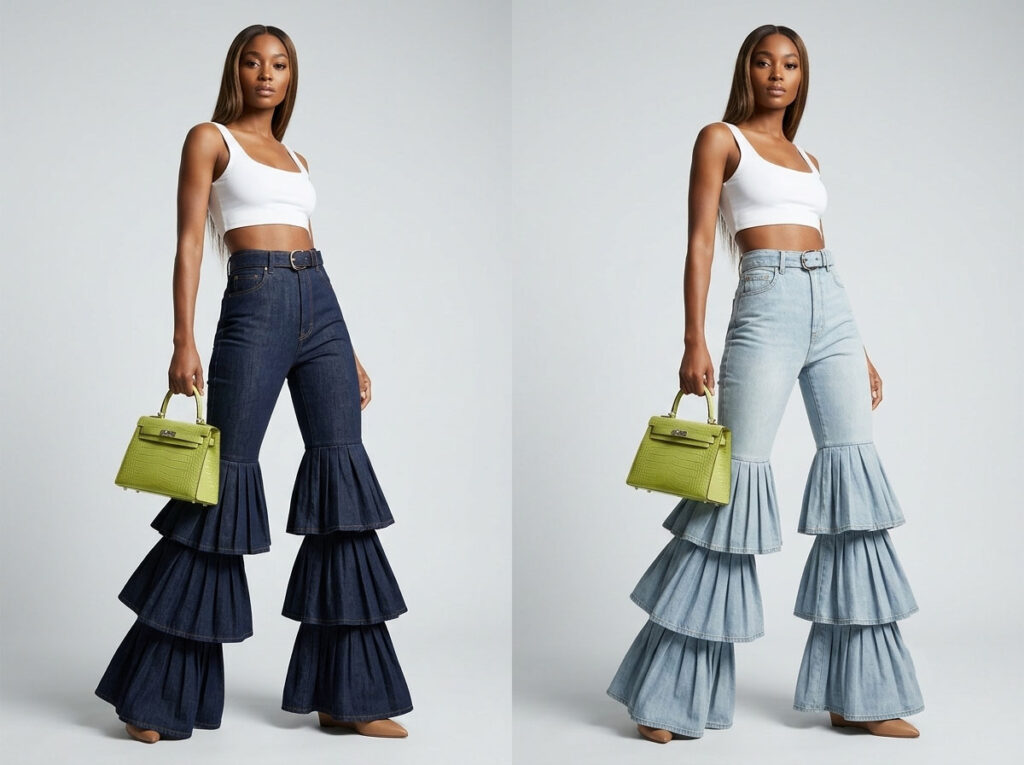
Understanding these categories makes it easier to identify suitable products for different customer groups.
|
Pants Category |
Description |
Common Styles |
Key Features |
|---|---|---|---|
|
Casual Pants |
Designed for everyday wear and comfort. |
Chinos, straight-leg trousers, drawstring pants, relaxed-fit pants |
Often made from cotton, cotton blends, or lightweight woven fabrics. |
|
Formal Pants |
Designed for business, professional, and formal occasions. |
Dress pants, tailored trousers |
Often feature a structured waistband, front crease, and belt loops. |
|
Sportswear & Activewear Pants |
Designed for exercise, sports, and active lifestyles. |
Joggers, track pants, yoga pants, leggings |
Stretch, flexibility, and moisture management may be important. |
|
Fashion Pants |
Focus on distinctive silhouettes and design details. |
Wide-leg pants, palazzo pants, flare pants, cargo trousers |
Offer different shapes and styling options for fashion collections. |
|
Utility Pants |
Designed for practical use and functionality. |
Cargo pants, work pants, outdoor trousers |
Often feature functional pockets, durable materials, and reinforced construction. |
Some styles overlap between categories. For example, joggers can be casual everyday clothing or part of a sportswear collection. Similarly, wide-leg trousers can be designed for relaxed daily wear or more formal occasions.
For clothing brands, the best starting point is to define the intended use of the product and the preferences of the target customer. This helps narrow down the appropriate design, fabric, and construction requirements.
Different types of pants appeal to different customers, and some styles are more commonly associated with women’s or men’s collections. However, many modern designs are suitable for all genders.
Some pants styles can work well in unisex collections, including relaxed-fit trousers, straight-leg pants, joggers, cargo pants, and wide-leg designs. The key is to develop suitable measurements, proportions, and size specifications for the intended customer group.
| Pants Style | Common Design Features | Typical Applications |
|---|---|---|
| Wide-leg pants | Loose, wide leg shape | Casualwear, fashionwear |
| Straight-leg pants | Consistent leg width | Everyday wear, workwear |
| Chinos | Cotton twill, clean design | Casualwear, smart casual |
| Cargo pants | Multiple functional pockets | Streetwear, utility wear |
| Joggers | Elastic waist, tapered leg | Sportswear, casualwear |
| Leggings | Close fit, stretch fabric | Activewear, athleisure |
When selecting styles for a collection, brands should consider their target market, seasonal requirements, price positioning, and intended use rather than relying on popularity alone.
Pants fit describes how a garment sits on the body. It is one of the most important design decisions because it affects both appearance and comfort.
The main types of pants by fit include:
It is also important to distinguish between fit, leg shape, and rise:
For clothing brands, these details should be clearly defined in the product specifications or Tech Pack. Measurements such as waist, hip, front rise, back rise, thigh, knee, inseam, and leg opening help communicate the intended fit.
A sample should be reviewed on an appropriate fit model before bulk production. This allows the brand to evaluate proportions, movement, and comfort, then make adjustments where necessary.
Fabric selection plays a major role in the performance and appearance of different types of pants. The same design can look and feel very different depending on the material, weight, stretch, texture, and finishing.
Here are some common pants fabric types:
| Fabric Type | Common Characteristics | Suitable Pants Styles |
|---|---|---|
| Cotton twill | Woven structure, versatile appearance | Chinos, casual trousers |
| Polyester | Durable, crease-resistant, quick-drying | Track pants, sportswear |
| Denim | Twill construction, varied washes and finishes | Jeans, casual pants |
| Cotton-stretch blend | Cotton-based fabric with added flexibility | Slim-fit trousers, chinos |
| Fleece | Soft, warm, brushed surface | Sweatpants, joggers |
| French terry | Knit structure, comfortable feel | Casual joggers, lounge pants |
For more information about denim construction, weaving, and fabric weight, brands can refer to CottonWorks’ Denim Basics guide.
For an overview of synthetic fibers such as polyester and nylon, see Textile Exchange’s guide to synthetics.
When choosing fabric for a custom pants collection, brands should evaluate more than fiber composition. Fabric weight, shrinkage, colorfastness, pilling, stretch recovery, hand feel, and care requirements may all affect the final product. Testing should be based on the actual fabric and the garment’s intended use.
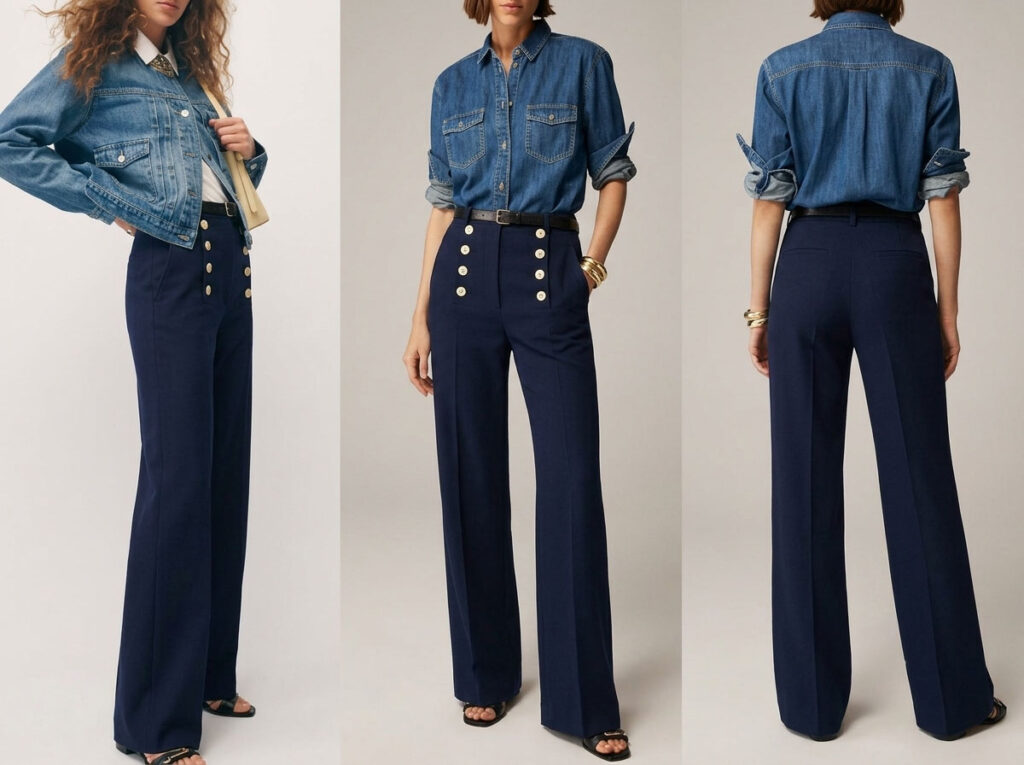
Some pants styles look similar at first but have different construction details, materials, or intended uses. Understanding these differences helps brands develop clearer product positioning and avoid confusion during product development.
Jeans are traditionally made from denim, a woven twill fabric often associated with indigo dyeing and garment washing. Chinos are generally made from cotton or cotton-blend twill and usually have a cleaner, less rugged appearance.
Jeans are common in casual and streetwear collections, while chinos can work for both casual and smart-casual occasions.
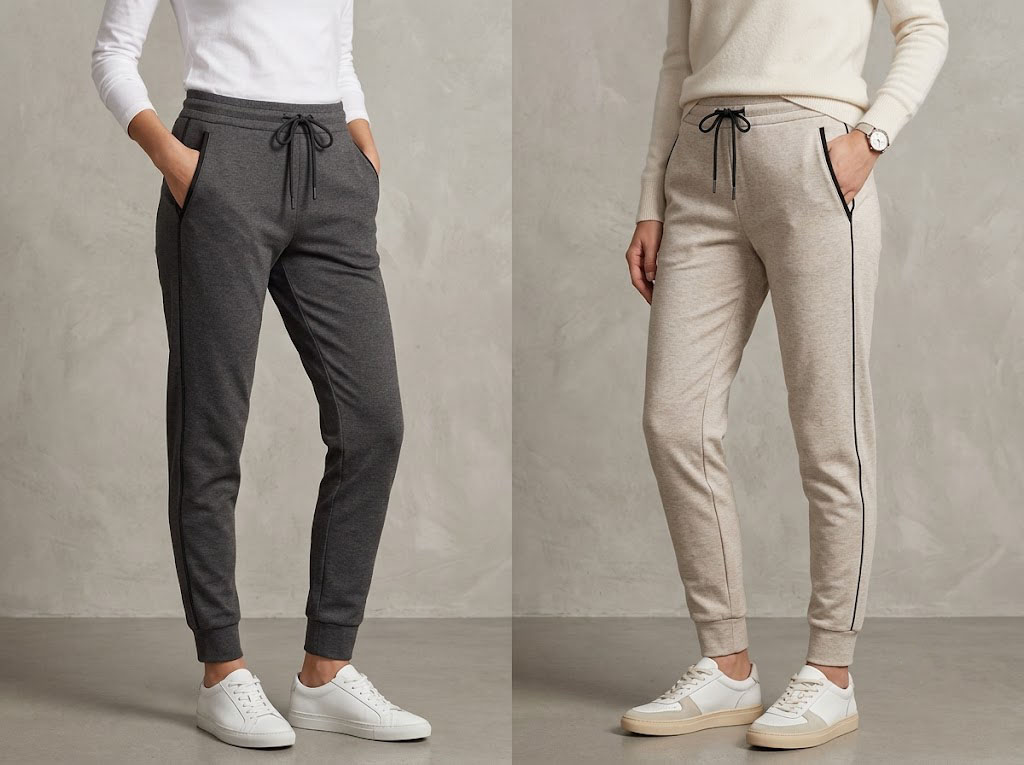
Joggers usually have a more tapered silhouette and often feature elastic or ribbed ankle cuffs. Sweatpants can have a straighter or looser leg shape and are commonly designed for comfort and relaxation.
Both can be made from fleece or French terry, depending on the intended product.
Leggings are a broad category of close-fitting stretch pants. Yoga pants are designed with movement and exercise in mind and may include specific waistband, stretch, and fabric requirements.
Not all leggings are intended for exercise, and not all yoga pants have the same silhouette.
Wide-leg pants have a noticeably wider silhouette, while straight-leg pants maintain a more consistent width from the thigh to the hem. The difference affects the overall appearance, fabric drape, and styling options.
Cargo pants are defined by their additional utility pockets, often placed on the sides of the legs. Regular casual pants may have a simpler pocket arrangement and a cleaner appearance.
| Comparison | First Style | Second Style | Main Difference |
|---|---|---|---|
| Jeans vs. chinos | Jeans | Chinos | Denim construction vs. cotton twill |
| Joggers vs. sweatpants | Joggers | Sweatpants | Usually tapered vs. often looser |
| Leggings vs. yoga pants | Leggings | Yoga pants | General close-fit category vs. exercise-oriented design |
| Wide-leg vs. straight-leg | Wide-leg | Straight-leg | Wider silhouette vs. consistent leg width |
| Cargo vs. casual pants | Cargo pants | Casual pants | Utility pockets vs. simpler pocket design |
For brands, these distinctions should be reflected in product descriptions, Tech Packs, and sample reviews. Clear product specifications help ensure that the final garment matches the intended style.
Choosing the right types of pants for a clothing brand involves more than selecting attractive designs. Brands should consider their target customers, product positioning, fabric requirements, and manufacturing feasibility.
Here are five practical steps:
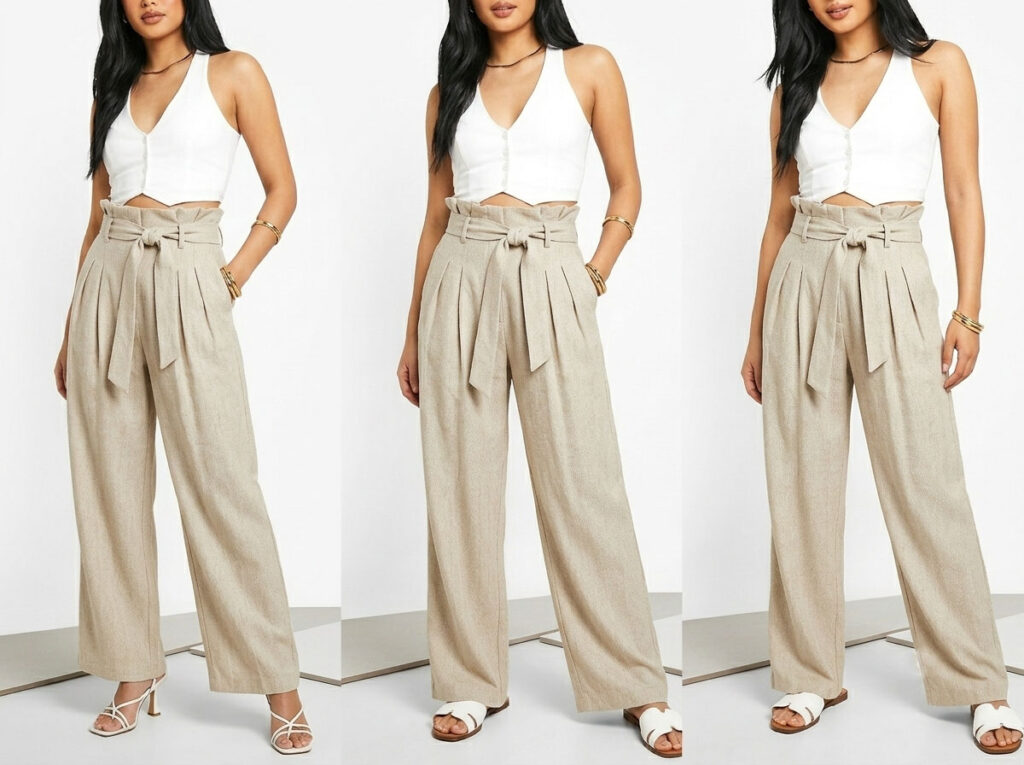
Start by identifying who will wear the product. Consider factors such as age group, lifestyle, preferred fit, shopping habits, and intended use.
For example, a streetwear brand may prioritize relaxed-fit cargo pants and wide-leg trousers, while a business-casual brand may focus on chinos and tailored pants.
Choose designs that support your brand identity and product range. A focused collection with a clear direction is often easier to develop than a large number of unrelated styles.
Consider whether you need casual pants, formal trousers, activewear, or utility-inspired designs.
Fabric selection should match the intended use, design, and target price. Consider weight, stretch, texture, durability, care requirements, and seasonal suitability.
Request fabric samples where possible so that the team can evaluate the material before confirming the final selection.
Prepare a measurement chart that includes key points such as waist, hip, rise, inseam, thigh, and leg opening.
The size range should be based on your target market and fit expectations. A clear grading plan also helps maintain consistent proportions across sizes.
Sample development gives brands an opportunity to check fit, construction, fabric behavior, stitching, and finishing.
Try the sample on an appropriate fit model and record any changes needed. Confirm the final specifications before approving bulk production.
A well-prepared product brief or Tech Pack can make communication with a manufacturer more efficient. For additional guidance, see our custom clothing manufacturing services.
OEM and ODM manufacturing allow clothing brands to develop products with different levels of design input and customization.
OEM (Original Equipment Manufacturing) generally means the brand provides its own design, specifications, or Tech Pack, while the manufacturer produces the garments according to the agreed requirements.
ODM (Original Design Manufacturing) usually involves the manufacturer providing design or product development support based on the brand’s direction and requirements.
Depending on the manufacturer’s capabilities, custom pants development may involve several areas.
Brands can discuss different fabric compositions, weights, textures, colors, and finishes. The selected material should be appropriate for the intended pants style and performance requirements.
Pattern making and sample development help translate a design concept into a wearable garment. Brands should provide clear measurements and communicate the intended silhouette, such as slim, regular, relaxed, or wide-leg.
Custom details can help distinguish one pants collection from another. Depending on the product and manufacturing capabilities, these may include:
Private-label development may include custom woven labels, printed labels, hangtags, care labels, and packaging according to the brand’s requirements.
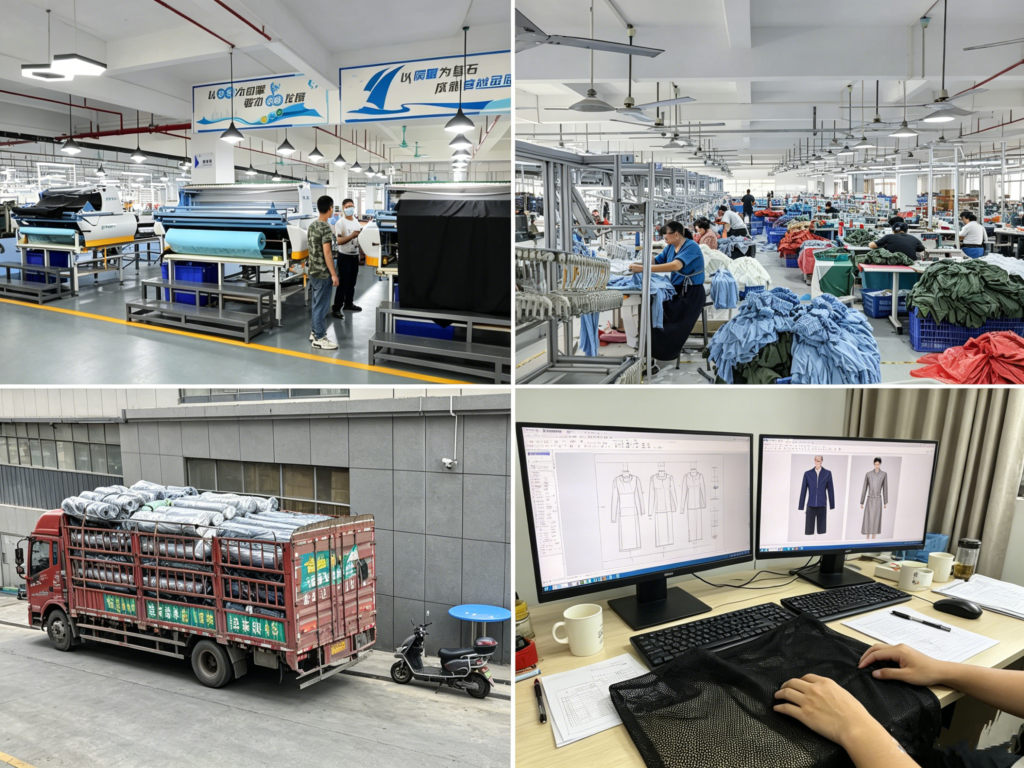
Liantao Apparel provides OEM and ODM apparel services, including pattern making, Tech Pack development, custom fabric options, and branding support. Established in 2000, the company has more than 20 years of apparel manufacturing experience and a workforce of over 200 skilled workers.
For pants projects, brands should confirm the specific product category, materials, construction requirements, and available production capabilities with the manufacturer before proceeding.
Choosing a reliable pants manufacturer is an important step in building a consistent clothing collection. A suitable manufacturing partner should understand your product requirements, communicate clearly, and have quality management processes that match your expectations.
Consider the following factors when evaluating a supplier:
Look for a manufacturer with experience producing the specific pants styles you need. Different products, such as joggers, cargo pants, and tailored trousers, require different materials, patterns, and construction techniques.
A reliable manufacturer should understand different fabric options and their applications. They should be able to help you evaluate fabric weight, composition, stretch, durability, and suitability for your product.
Accurate pattern making is essential for achieving the intended fit and silhouette. Choose a manufacturer that can develop samples based on your Tech Pack, review measurements, and make adjustments before bulk production.
Ask how the manufacturer checks fabric quality, measurements, stitching, and finished garments. A clear inspection process helps identify potential issues and maintain consistent product quality.
Good communication helps prevent misunderstandings during product development and production. Choose a partner who responds clearly, understands your requirements, and keeps you informed about important project updates.
The Challenge: The client needed to turn initial mood boards into a signature everyday casual pant—solving common issues with fabric stiffness, post-wash shrinkage, and restricted leg mobility.
Liantao Apparel’s Solution:
Fabric Selection: Sourced and tested a 290 GSM 98% combed cotton / 2% spandex twill with pre-shrunk finishing (controlled under 3% shrinkage).
Rapid Sampling: Adjusted the seat and tapered leg pattern in-house, delivering a revised fit sample in 7 days and passing PP sample sign-off on the second round.
Detail Upgrades: Integrated custom Pantone-matched matte hardware, durable herringbone pocket linings, and bar-tack reinforcements.
The Result: Smoothly transitioned from concept to bulk production, delivering 1,500 units on schedule under AQL 2.5 inspection standards and establishing an ongoing seasonal partnership.
Liantao Apparel is based in Dongguan, Guangdong, China, and provides OEM and ODM apparel manufacturing services. If you are considering a pants project, share your design, Tech Pack, reference samples, or product requirements so the team can discuss whether the project matches its manufacturing capabilities.
For more supplier evaluation advice, read our guides on how to select an apparel manufacturer and manage bulk quality control and how to find a reliable clothing manufacturer.
1. How many different types of pants are there?
There are many types of pants, and there is no single fixed number. Common categories include casual pants, formal trousers, jeans, joggers, leggings, cargo pants, wide-leg pants, and activewear pants.
2. What are the most popular types of pants for women?
Common women’s pants styles include wide-leg pants, straight-leg pants, flare pants, palazzo pants, leggings, and tailored trousers. The right choice depends on the target customer, occasion, and collection style.
3. What are the most popular types of pants for men?
Popular men’s styles include jeans, chinos, dress pants, cargo pants, joggers, and straight-leg trousers. Each style serves a different purpose, from everyday casualwear to professional clothing.
4. What fabric is commonly used to make pants?
Common pants fabrics include cotton, denim, polyester, cotton-stretch blends, fleece, and French terry. The best option depends on the design, intended use, comfort requirements, and desired appearance.
5. What should clothing brands prepare before contacting a pants manufacturer?
Brands should prepare design references, a Tech Pack if available, fabric preferences, size and measurement requirements, branding details, and estimated order requirements. Reference samples can also help communicate the expected fit and construction.
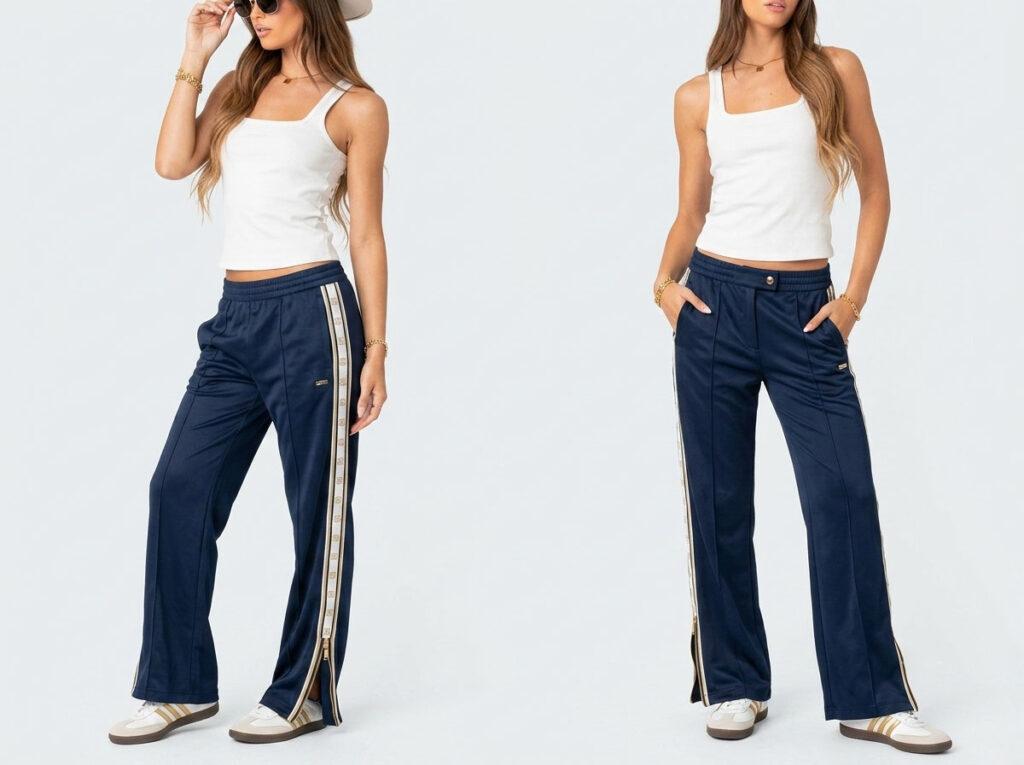
Understanding the different types of pants helps clothing brands make better decisions about product design, fabric selection, fit, and collection planning. From chinos and jeans to joggers, leggings, and wide-leg trousers, every style has its own design requirements and intended customer.
Before developing a new pants collection, define your target market, select suitable fabrics, prepare accurate measurements, and review samples carefully. These steps help establish clearer product specifications and support more consistent manufacturing.
If you are looking for an OEM or ODM apparel manufacturing partner, Liantao Apparel can discuss your product requirements, Tech Pack, fabric preferences, and branding needs. Contact the team to explore your next apparel development project.
If you have any questions or require a quote, please leave
us a message. Our experts will get back to you within 24 hours to help you choose the ideal fashion products tailored to your needs.
Hi, I’m Lucy Cai, the founder of liantaoapparel.com. I’ve been managing a women’s clothing factory in China for over 20 years. With extensive experience in garment production and OEM services, I’m passionate about sharing insights into women’s fashion, apparel manufacturing, and global sourcing.
If you have any questions or need a quote, please contact us.
Please add us WhatsApp:+86 189 4809 3145
Provide us with detailed information about your requirements, supply design drawings or tech packs,
reference images, and share your ideas.
We will customize the best solution based on your needs and drawings, and provide a specific quote within 24 hours.
Once we receive your confirmation and deposit,we will commence mass production and take care of the subsequent shipping arrangements.


