Japanese high school uniforms are known for their distinctive designs, including sailor-style tops, tailored blazers, pleated skirts, and traditional stand-up collar jackets. These outfits are more than everyday school clothing. They also reflect each school’s identity, dress code, and approach to student life.
However, not every Japanese high school uses the same uniform. Some schools prefer traditional designs, while others choose modern blazers, different color combinations, or gender-neutral options. Seasonal uniforms also bring changes in fabric, layers, and garment construction.
Whether you are interested in Japanese school fashion or researching uniform products for a clothing brand, understanding these differences can help you make better decisions. This guide explains the main Japanese high school uniform styles, their parts, seasonal variations, and important points to consider when developing or sourcing similar garments.
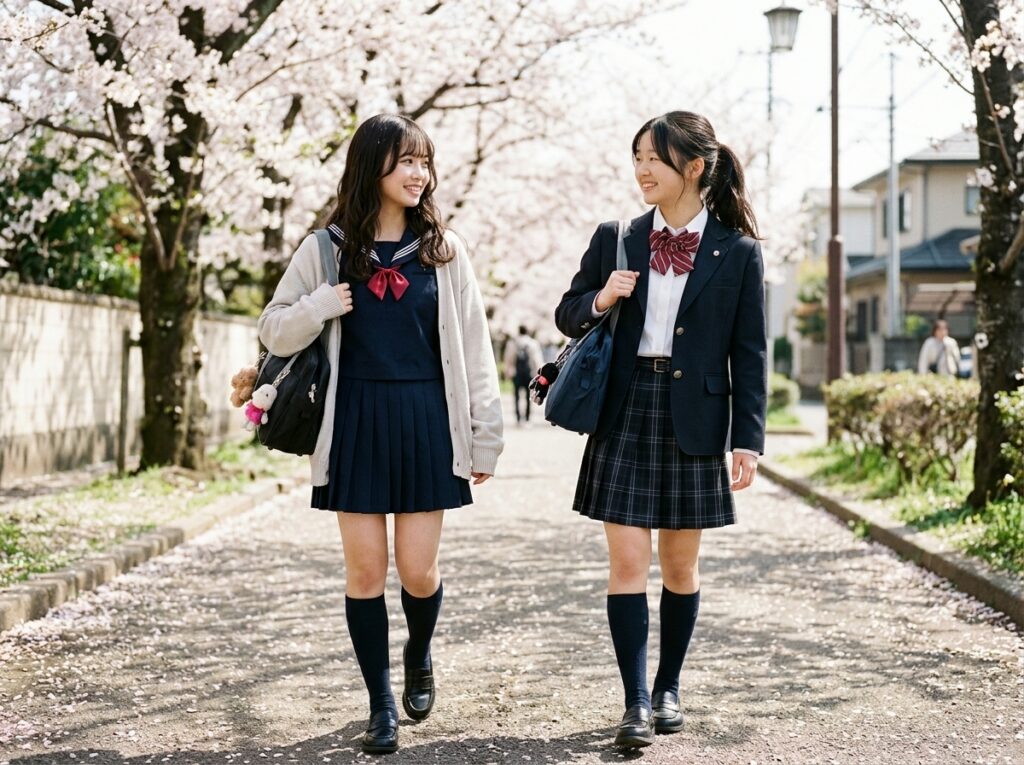
A Japanese high school uniform is commonly called seifuku. The word refers to a uniform, and schools usually select their own designs rather than follow one national style.
A typical uniform may include:
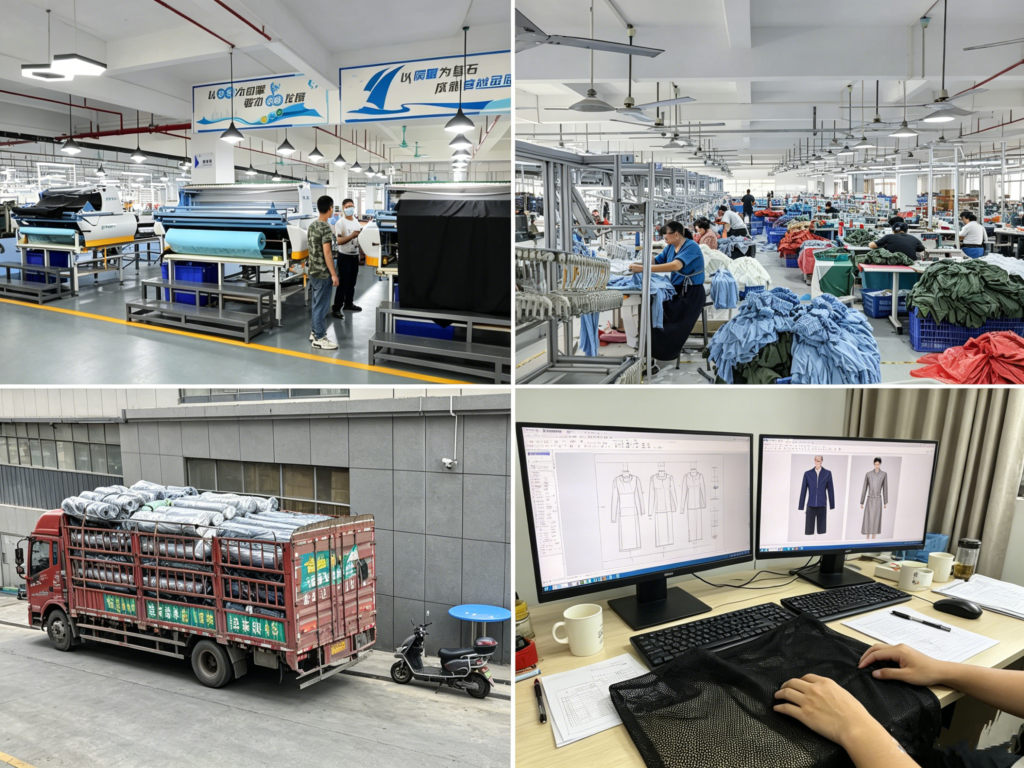
🏭 Looking for a Custom Apparel Manufacturer?
We are a leading OEM/ODM clothing factory with 20+ years of export experience. Custom styles, flexible MOQs, and retail-ready quality.
The overall appearance depends on the school. For example, one school may use a navy blazer with a striped tie, while another may choose a dark sailor-style uniform with a colored ribbon.
It is also important to understand that not every high school requires students to wear a uniform. Most schools have their own clothing policies, but some allow students to choose their everyday clothes. The Osaka Prefectural Board of Education explains that many high schools require a prescribed uniform, while some have no uniform requirement.
Therefore, when describing an actual Japanese high school uniform, avoid treating one design as the standard for the entire country.
Japanese high school uniforms come in several recognizable styles. The most familiar examples include sailor uniforms, blazers, and Gakuran jackets.
The sailor uniform, known as sailor-fuku, is one of the most recognizable traditional Japanese school uniform styles.
Its main features include:
Navy, white, and dark-colored combinations are common design choices, although each school may use its own color scheme.
The blazer uniform is a popular modern style for Japanese high schools.
It usually includes a tailored jacket, dress shirt, tie or ribbon, and matching trousers or a skirt. Some schools also add an embroidered badge or school crest to the chest.
Blazers offer flexibility in design. Schools can change the jacket color, button style, lining, neckwear, and skirt pattern to create a distinctive appearance.
Gakuran is a traditional Japanese school uniform style featuring a jacket with a stand-up collar and matching trousers.
The jacket often has a simple, structured shape with a row of front buttons. Black and navy are common colors.
Although many people associate Gakuran with boys’ uniforms, actual school uniform policies and designs vary. It is best to check the specific school’s uniform requirements rather than assume every school follows the same pattern.
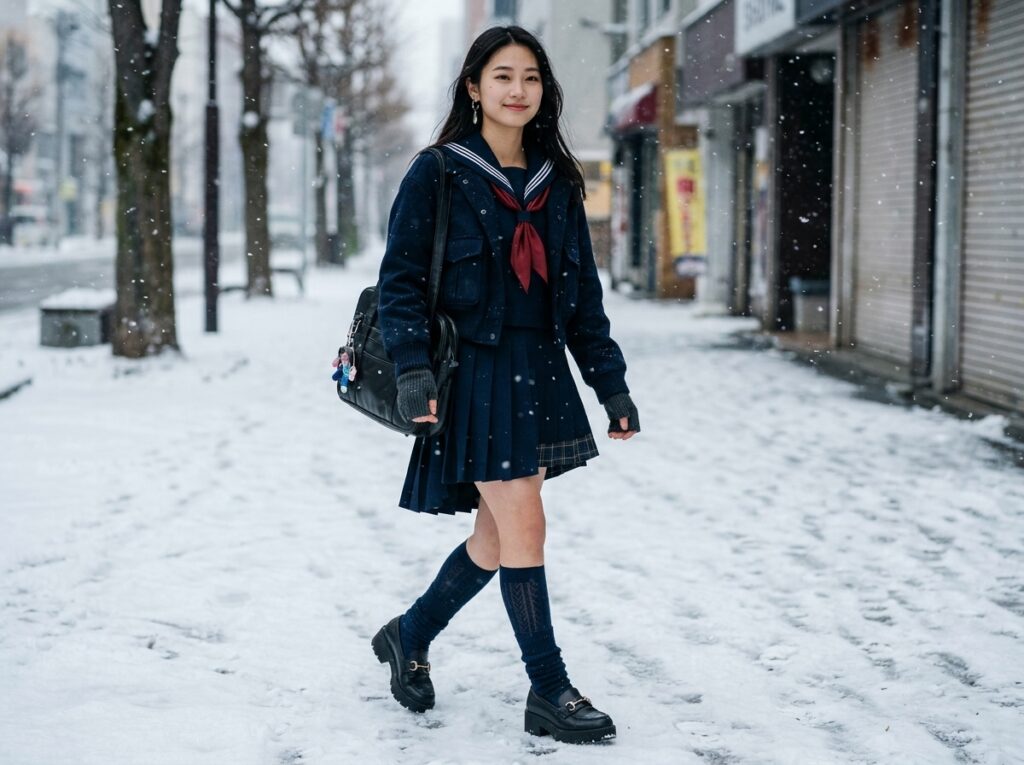
Modern Japanese school uniforms offer more choices than traditional designs alone.
For example, some schools allow students to choose between skirts and trousers, or between ribbons and neckties. Others use blazer designs that are not strictly divided into traditional male and female styles.
| Uniform Type | Main Design | Common Components | Overall Style |
|---|---|---|---|
| Sailor uniform | Wide sailor collar | Blouse, skirt, ribbon or scarf | Traditional |
| Blazer uniform | Tailored jacket | Blazer, shirt, tie or bow | Modern and formal |
| Gakuran | Stand-up collar | Jacket, trousers, buttons | Traditional |
| Gender-neutral uniform | Flexible jacket design | Shirt, trousers or skirt | Contemporary |
These styles are not limited to one generation or school category. Individual schools decide which design best represents their identity and student needs.
Traditional Japanese high school uniforms often use different designs for girls and boys. However, current school policies may offer more flexible options.
Traditional girls’ uniforms often feature sailor-style blouses or blazers with pleated skirts.
Common design details include:
The skirt pattern and neckwear can help distinguish one school’s uniform from another. Some schools use a simple navy design, while others combine checked skirts with colored ribbons.
Traditional boys’ uniforms commonly include Gakuran jackets or blazer combinations.
A typical blazer outfit may include:
Gakuran offers a different appearance, with a high collar and a more structured jacket shape.
The main differences traditionally involve the jacket shape, neckline, and choice of lower garment. However, these differences are not universal.
Some schools allow girls to wear trousers, while others provide different neckwear and jacket options for students. As a result, a modern uniform collection may need to consider comfort, fit, and individual choice rather than relying only on traditional gender-based designs.
For clothing brands, this shift also creates opportunities to develop school-inspired collections with more flexible sizing and styling.
A Japanese high school uniform is made up of several coordinated garments and accessories. Each part contributes to the overall appearance and should match the school’s design requirements.
The jacket is often the most recognizable part of a blazer uniform. Its design may include a notch lapel, structured shoulders, front buttons, pockets, and a school badge.
Shirts usually have a simple collar and button-front closure. Their color and fabric should work well with the jacket and neckwear.
Sailor uniforms use a different top design, with a wide collar that creates the familiar sailor-style appearance.
Pleated skirts are common in traditional and modern girls’ uniform designs. Their appearance depends on the number of pleats, fabric weight, length, and pattern.
Tailored trousers are another important option. They may have a straight-leg or slightly tapered shape, depending on the school’s design.
Neckwear adds color and visual identity to a uniform.
Common options include:
The color and shape should match the school’s approved uniform design.
Cardigans and knitted vests provide additional warmth during cooler months. Schools may specify the color, neckline, and logo placement.
For product development, knit structure, softness, stretch, and shape retention are important factors to review.
Shoes, socks, and bags complete the uniform. Some schools specify footwear styles or colors, while others allow more choice.
Common options include loafers, indoor shoes, school bags, and backpacks. Buyers should always check the school’s dress code before selecting these accessories.
Color and seasonal design are important parts of Japanese high school uniforms. Although navy, black, white, and gray are familiar choices, schools can use different combinations to create their own identity.
Navy is often used for jackets, skirts, and trousers because it creates a neat and formal appearance. Black and gray are also common choices.
White and light blue may appear in shirts, while ribbons and ties can introduce red, burgundy, green, or other accent colors.
Some schools also use plaid fabrics for skirts or other uniform details.
However, there is no single official color combination for Japanese high school uniforms. The school’s design determines the final color scheme.
Summer uniforms are designed for warmer weather and daily movement.
Common garments include:
For summer products, fabric weight, airflow, comfort, and ease of care deserve particular attention.
Winter uniforms usually include additional layers.
Students may wear long-sleeved shirts, blazers, thicker jackets, cardigans, or knitted vests. Some schools also provide coats or other outerwear.
The fabric should offer suitable warmth while allowing students to move comfortably throughout the school day.
Fabric choice affects how a uniform looks, feels, and performs after repeated wear.
| Product | Fabric Considerations | What to Check |
|---|---|---|
| Uniform shirt | Breathability and comfort | Softness, color, shrinkage |
| Blazer | Structure and durability | Shape retention, seams |
| Pleated skirt | Weight and crease appearance | Pleat stability, fit |
| Trousers | Comfort and wear resistance | Fabric strength, fit |
| Cardigan | Softness and stretch | Pilling, recovery |
A fabric that works well for a winter blazer may not be suitable for a lightweight summer shirt. Therefore, brands should select materials according to each garment’s function.
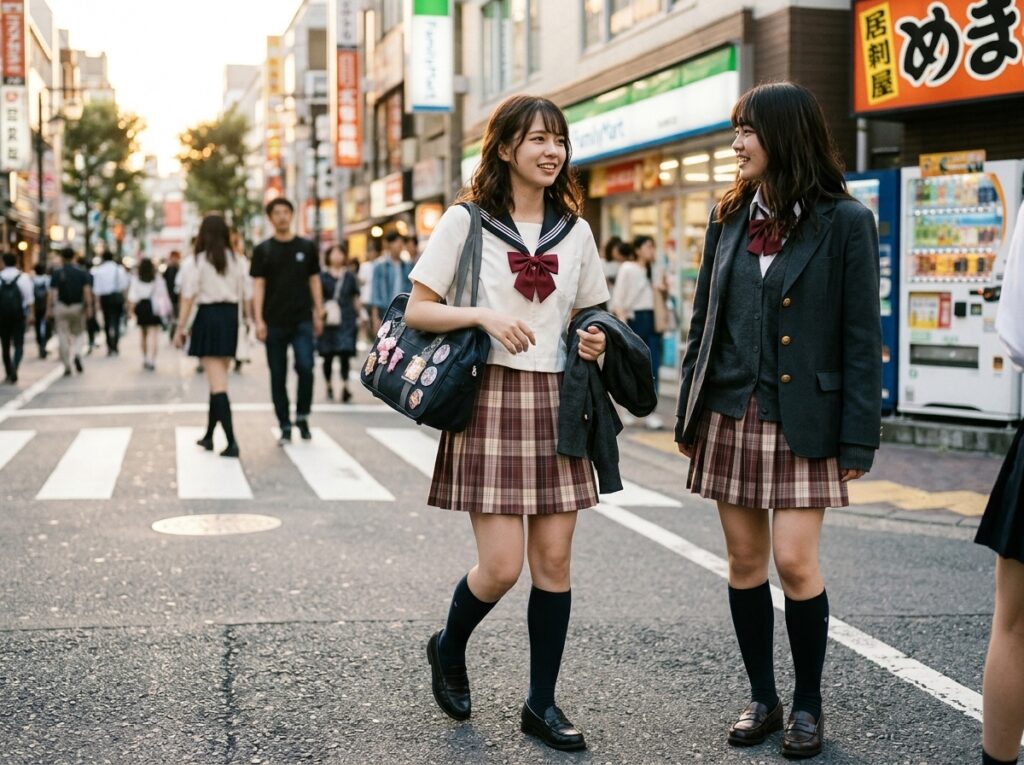
Japanese junior high school and high school uniforms can look similar. Both may use sailor uniforms, blazers, or traditional stand-up collar jackets.
However, the actual design depends on each school’s uniform policy.
| Comparison | Junior High School | High School |
|---|---|---|
| Common styles | Sailor, Gakuran, Blazer | Sailor, Gakuran, Blazer |
| Jacket design | School-specific | School-specific |
| Skirt or trousers | Depends on school rules | Depends on school rules |
| Colors and badges | School-specific | School-specific |
| Seasonal options | May include summer and winter sets | May include summer and winter sets |
Some junior high schools use traditional sailor or stand-up collar uniforms. High schools may use similar designs or introduce different blazer styles.
However, it would be inaccurate to say that all junior high schools use traditional uniforms and all high schools use modern blazers.
Both junior high schools and high schools may have rules covering uniform colors, footwear, hairstyles, accessories, and seasonal clothing.
Some schools also allow students to choose between skirts and trousers or wear different types of neckwear.
Japanese school uniforms have changed over time. Traditional styles remain recognizable, but modern designs offer more variety in jacket construction, color, and garment options.
For historical context, see Nippon.com’s overview of Japan’s school uniforms.
The most reliable way to identify a specific uniform is to check the school’s official information rather than judge it by appearance alone.
For clothing brands, retailers, and uniform buyers, developing Japanese-inspired school uniforms involves more than selecting a blazer or pleated skirt. Buyers should define the design, fabric, sizing, and production requirements before requesting bulk manufacturing.
Start with clear product references.
Prepare images, sketches, technical drawings, or existing samples to explain the intended design. Include details such as:
If the goal is to reproduce an actual school’s uniform, make sure you have the right to use its logos, badges, and protected design elements.
Different garments require different fabric properties.
For example, shirts usually need a comfortable and breathable material. Blazers need enough structure to maintain their shape, while skirts and trousers require suitable weight and durability.
Before choosing a fabric, consider:
Do not assume that one fabric can meet the needs of every uniform component.
Uniforms are designed for regular wear, so fit is an important part of product development.
Buyers should define a size chart and review measurements for the chest, shoulder, sleeve, waist, hip, and garment length.
Also consider movement and comfort. Students need to sit, walk, carry bags, and participate in daily activities without feeling restricted.
For collections that offer both skirts and trousers, develop and test each fit separately.
A sample gives buyers the opportunity to check the actual garment before placing a bulk order.
Review the following details:
Once the sample is approved, document the final specifications. This helps reduce misunderstandings during bulk production.
A suitable clothing manufacturer should understand your product requirements and communicate clearly throughout development.
Before choosing a supplier, ask about its experience with the garment category, available customization services, sampling process, MOQ, production schedule, and quality control procedures.
For brands developing a wider clothing collection, Liantao Apparel provides information about custom clothing manufacturing, MOQ, pricing, and production processes.
You can also read our apparel manufacturer selection and bulk quality control guide to understand how to assess suppliers and prepare for production.
The key is to confirm the manufacturer’s actual capabilities before moving forward. Clear specifications, approved samples, and documented quality requirements help create a more reliable sourcing process.
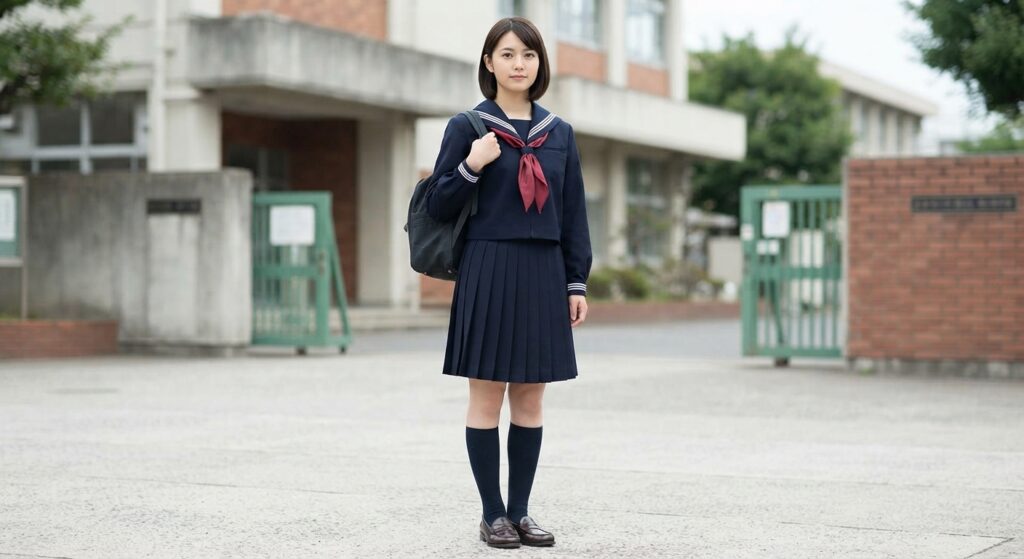
A Japanese school uniform is commonly called seifuku (制服). The term refers to school uniforms in general. Some public school documents also use hyojun-fuku when referring to standard school clothing.
No. Many Japanese high schools require students to wear a prescribed uniform, but some schools allow students to choose their own clothes. Requirements vary by school, so students should check the school’s official dress code.
Some Japanese high schools offer trousers as an alternative to skirts. Other schools may have different uniform choices. Students should check the school’s current uniform policy for details.
Authentic school uniforms are usually available through school-designated uniform suppliers or authorized retailers. Before purchasing, check the school name, official design, size, and supplier information. Japanese-inspired fashion or cosplay outfits are not necessarily official school uniforms.
Japanese high school uniforms include several recognizable styles, from traditional sailor uniforms and Gakuran jackets to modern blazer designs. Their colors, garment details, and seasonal options vary from school to school.
For clothing brands and buyers, the most important development considerations include fabric selection, garment construction, sizing, comfort, and quality control. A well-planned uniform product should look consistent while also meeting the needs of its intended wearers.
Whether you are researching Japanese school fashion or developing a school-inspired clothing collection, understanding these design and sourcing details will help you make more informed decisions.
If you have any questions or require a quote, please leave
us a message. Our experts will get back to you within 24 hours to help you choose the ideal fashion products tailored to your needs.
Hi, I’m Lucy Cai, the founder of liantaoapparel.com. I’ve been managing a women’s clothing factory in China for over 20 years. With extensive experience in garment production and OEM services, I’m passionate about sharing insights into women’s fashion, apparel manufacturing, and global sourcing.
If you have any questions or need a quote, please contact us.
Please add us WhatsApp:+86 189 4809 3145
Provide us with detailed information about your requirements, supply design drawings or tech packs,
reference images, and share your ideas.
We will customize the best solution based on your needs and drawings, and provide a specific quote within 24 hours.
Once we receive your confirmation and deposit,we will commence mass production and take care of the subsequent shipping arrangements.