🏭 Looking for a Custom Apparel Manufacturer?
We are a leading OEM/ODM clothing factory with 20+ years of export experience. Custom styles, flexible MOQs, and retail-ready quality.
Medium size is one of the most widely used clothing labels, but it does not represent the same measurements across every brand or country. A medium T-shirt from one manufacturer may fit differently from a medium hoodie or shirt from another. This is because clothing sizes depend on body measurements, garment design, fabric properties, and the intended fit.
For clothing brands, retailers, and fashion businesses, understanding medium size is important when selecting suppliers, developing size charts, and planning bulk production. A clear size specification helps reduce fitting problems and gives customers more consistent expectations.
This guide explains what medium size means, how men’s and women’s medium sizes are measured, how international size systems differ, and how clothing brands can develop a reliable size chart for custom apparel.
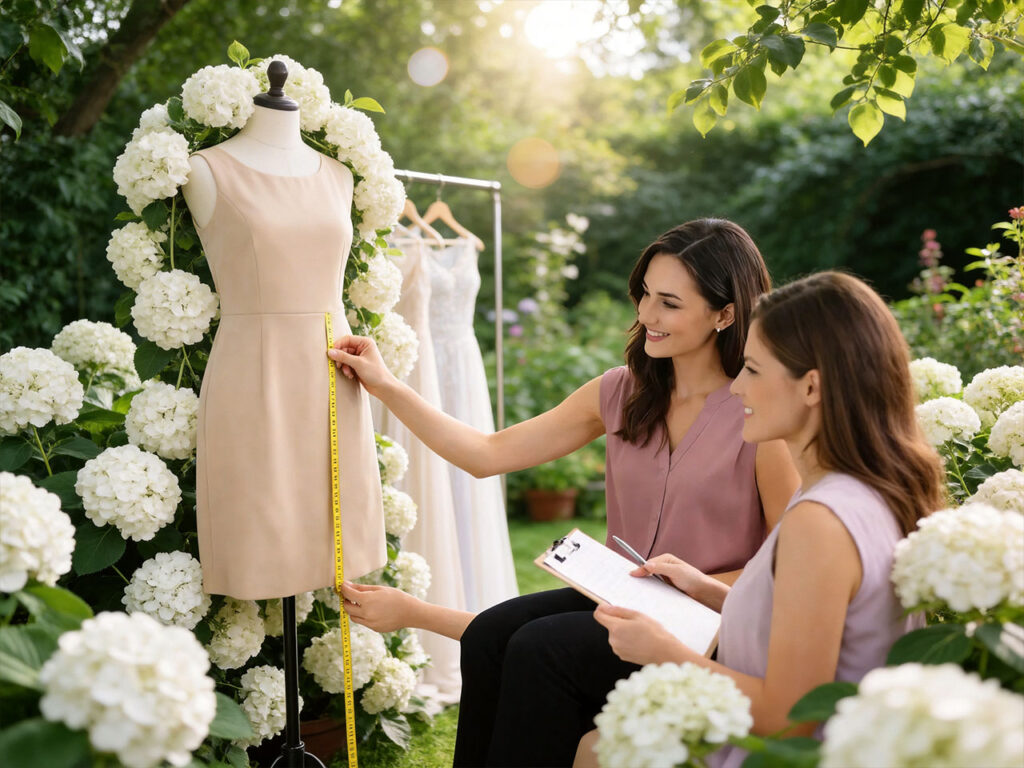
Medium size, usually marked as M, is a standard clothing size label positioned between small (S) and large (L). It is commonly used for T-shirts, shirts, hoodies, dresses, trousers, and other apparel.
However, M is a size category rather than a universal measurement.
The actual dimensions depend on several factors:
For example, a regular-fit medium T-shirt may have a different chest measurement from an oversized medium T-shirt. Both can correctly carry an M label because their designs serve different fit expectations.
For buyers, the most reliable way to identify a medium size is to check the brand’s measurement chart rather than relying on the letter alone.
Medium size measurements vary between men’s and women’s clothing. The two categories use different body proportions and garment specifications, so their size charts should not be treated as interchangeable.
Women’s medium clothing is generally developed around measurements such as:
For dresses and fitted tops, bust and waist measurements are especially important. For skirts and trousers, waist and hip measurements usually have a greater influence on fit.
Women’s medium sizing can also vary significantly between brands. A fitted dress, relaxed blouse, and oversized sweatshirt may all use M labels while following different garment dimensions.
Men’s medium clothing commonly uses the following measurements:
For men’s T-shirts and hoodies, chest width, shoulder width, and body length are key measurements. For shirts, neck circumference and sleeve length may also be important.
For trousers, waist, hip, thigh, and inseam measurements should be considered separately.
One important distinction is the difference between body measurements and garment measurements.
| Measurement Type | What It Means | How It Is Used |
|---|---|---|
| Body measurement | The actual dimensions of the wearer’s body | Helps determine the appropriate size |
| Garment measurement | The dimensions of the finished clothing item | Defines the garment’s physical specifications |
| Ease allowance | Extra room added between the body and garment | Determines comfort and fit |
A garment does not usually have exactly the same measurements as the body. Designers add ease according to the intended fit, garment category, and fabric properties.
For example, a loose-fit hoodie needs more wearing room than a fitted T-shirt. Therefore, brands should establish garment measurements based on their design rather than simply copying body measurements.
For a deeper understanding of apparel measurement and size designation, brands can refer to the ISO 8559-1 standard for body measurements.
Many shoppers search for medium size in numbers because clothing labels differ across international markets.
However, there is no single conversion that applies to every clothing category and brand. Men’s and women’s clothing also use different numbering systems.
The following table provides a general overview of how international size labels are organized.
| Market | Common Size Label | Important Consideration |
|---|---|---|
| US | S, M, L or numeric sizes | Numeric sizing varies by garment category |
| UK | S, M, L or numeric sizes | Women’s numeric sizes differ from US sizing |
| EU | S, M, L or numeric sizes | Numeric labels vary across product categories |
| Asian markets | S, M, L or numeric sizes | Fit and measurement standards vary by brand |
There is no universal answer. In some women’s clothing size charts, medium may correspond to a range of numeric sizes, but the exact conversion depends on the brand and market.
A US size 8, UK size 10, or EU size 38 should not automatically be treated as the same medium size across all clothing brands.
Before purchasing or producing clothing, check the specific brand’s size chart.
Yes. In a standard size sequence, medium is larger than small and smaller than large.
A common clothing size sequence is:
XS → S → M → L → XL → XXL
However, the actual difference between adjacent sizes depends on the brand’s grading rules. A consistent size chart should define how each measurement changes from one size to the next.
A medium size chart should be developed for each garment category. Different clothing products have different construction requirements, fit expectations, and measurement points.
The table below outlines the key measurements brands should consider when developing their medium-size specifications.
| Clothing Type | Key Measurements | Fit Considerations |
|---|---|---|
| T-shirt | Chest, shoulder, body length, sleeve length | Regular, slim, or oversized fit |
| Hoodie | Chest, shoulder, body length, sleeve length, hem width | Layering room, relaxed fit, and fabric thickness |
| Shirt | Chest, neck, shoulder, sleeve length, body length | Collar fit and sleeve movement |
| Pants | Waist, hip, thigh, inseam, leg opening | Rise, leg shape, and ease |
| Activewear | Bust or chest, waist, hip, inseam | Stretch, support, and movement |
For a medium T-shirt, the main measurements usually include:
The final measurements depend on whether the design is slim-fit, regular-fit, or oversized.
A medium hoodie may require additional consideration because of its thicker fabric and layered construction.
Important measurements include chest width, shoulder width, body length, sleeve length, hood dimensions, and ribbed hem measurements.
Brands should also consider whether customers will wear the hoodie over another layer.
For a medium shirt, brands should pay attention to chest width, shoulder width, neck circumference, sleeve length, and body length.
A formal shirt and casual oversized shirt should not automatically share the same medium-size specifications.
For medium-size pants, waist and hip measurements are essential. Other important points include thigh width, front rise, back rise, inseam, and leg opening.
The fit can vary significantly between straight-leg, slim-fit, wide-leg, and relaxed styles.
Important: These are measurement guidelines, not universal numerical size specifications. Brands should establish actual measurements through their target customer profile, design requirements, and sample fitting.
A medium garment from one brand may fit differently from another because clothing size labels do not define one universal set of garment dimensions.
Several factors influence the final fit.
Brands serving different countries or customer groups may use different body measurement references.
A manufacturer producing apparel for international markets should confirm the intended customer market before developing a size chart.
Fit is one of the biggest reasons medium sizes differ.
The same body size can require different garment measurements depending on the design.
Fabric affects how clothing feels and fits.
Stretch fabrics can provide more flexibility, while rigid fabrics may require different ease allowances. Fabric weight and drape can also influence the appearance and wearing experience.
For this reason, brands should consider fabric selection when finalizing garment measurements.
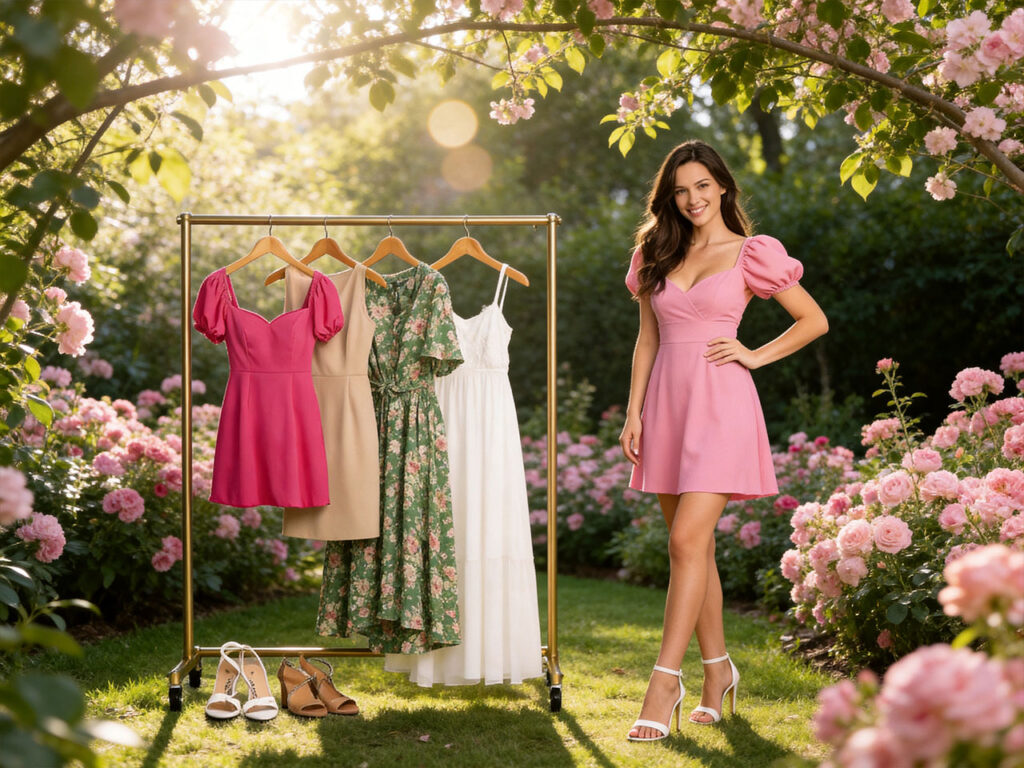
Size grading is the process of adjusting garment measurements between sizes.
For example, a brand may increase chest width, body length, and sleeve length when moving from M to L. However, the grading increments should follow the garment design and target customer requirements.
A consistent grading system helps maintain the intended fit across the full size range.
For additional technical references, brands can explore the ASTM textile standards and publications when reviewing relevant apparel and textile standards.
Medium is a familiar size label in many apparel categories, but it is not accurate to claim that M is the most common size for every brand, country, or product.
The most frequently purchased size depends on several factors:
For example, a brand selling oversized streetwear may see different size preferences from a brand specializing in fitted women’s dresses.
Fashion businesses should use customer and sales information rather than assuming that medium will be the most popular size.
Useful information includes:
For new brands without sales history, size planning can begin with a clearly defined target customer and a consistent measurement specification. The size range can then be reviewed as customer feedback and sales data become available.
For clothing brands working with a manufacturer, developing a medium size chart is an important step before bulk production.
A clear specification helps both the brand and factory understand the intended fit and reduces the risk of measurement misunderstandings.
Start by identifying the intended customer market.
Consider:
These details help establish the basis for the size chart.
Many brands use one size as the starting point for product development.
For example, M may serve as the base size for a particular style. The manufacturer can use the approved base-size specifications to develop the remaining sizes.
However, the base size should reflect the target customer and design requirements rather than being selected automatically.
A tech pack should clearly list the garment’s measurement points and required dimensions.
For a T-shirt, this may include:
Each measurement point should be clearly identified to avoid different interpretations during production.
After confirming the base size, brands should define how measurements change across the size range.
Grading rules should consider the garment’s shape, proportions, and intended fit. Simply adding the same amount to every measurement may not produce balanced results.
A sample allows the brand to check whether the garment matches the intended measurements and appearance.
During fitting, review:
If changes are needed, update the measurement specification before approving the final sample.
Before bulk production begins, the brand and manufacturer should work from the same approved specifications.
The final documentation should identify the approved size chart, measurement method, tolerances, and any construction details that affect fit.
For brands looking for a production partner, Liantao Apparel’s custom clothing manufacturing services provide a starting point for exploring apparel development and manufacturing support.
You can also read our guide to custom clothing manufacturers, MOQ, pricing, and the full production process to understand the key stages involved in developing custom apparel.
Once production begins, consistent measurement checks are also important. Our apparel manufacturer selection and bulk QC guide explains important considerations when evaluating suppliers and managing bulk garment quality.
Medium size, usually marked M, is a clothing size category between small and large. Its actual measurements vary by brand, garment type, fit, and target market.
There is no universal numeric equivalent for medium. Women’s and men’s clothing use different sizing systems, and US, UK, and EU conversions can vary by product category.
It depends on the brand and sizing system. A medium label may correspond to different numeric sizes in different markets, so checking the brand’s size chart is essential.
A medium T-shirt is generally designed around a brand’s defined medium body measurements and fit specifications. Its chest, shoulder, sleeve, and body measurements vary depending on the design.
Yes. In a standard clothing size sequence, medium is larger than small and smaller than large. The exact measurement difference depends on the brand’s size grading rules.
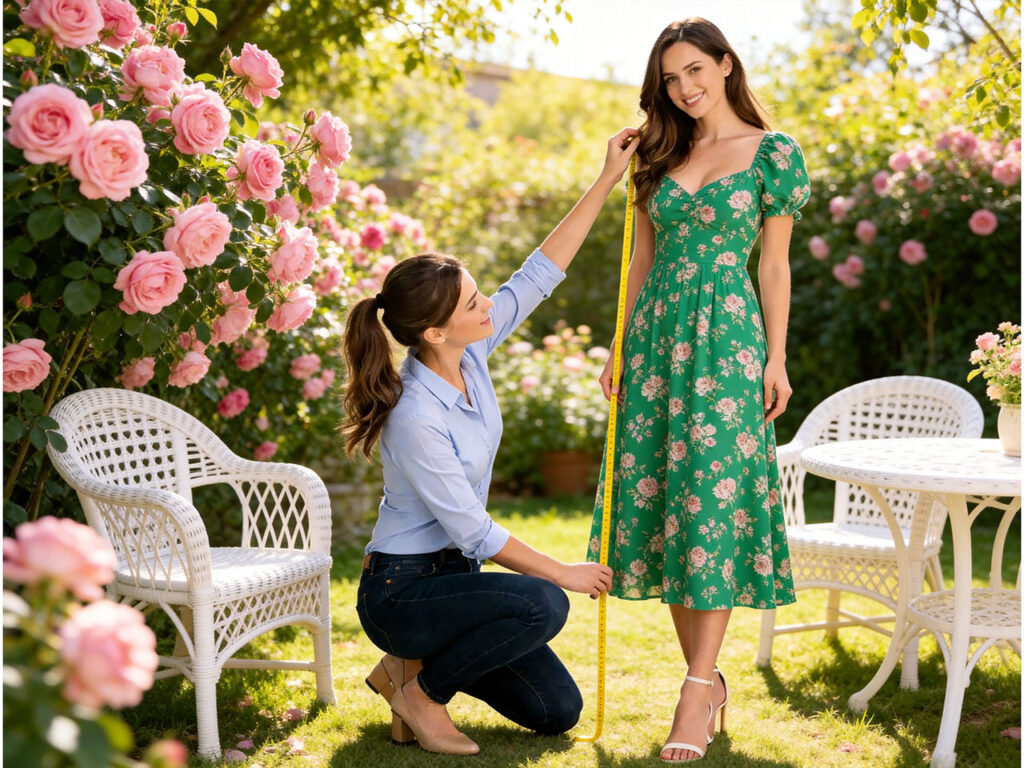
Brands use different target customer measurements, garment designs, fabrics, and grading systems. As a result, two garments carrying the same M label may fit differently.
Medium size is a useful clothing label, but it should never be treated as a universal measurement. Men’s and women’s apparel, different garment categories, international markets, and individual brand fit preferences all influence the final dimensions.
For clothing brands, the best approach is to develop a clear size chart based on target customers, garment measurements, fabric properties, and sample fitting. Before bulk production, confirm the approved specifications and grading rules with your manufacturer.
A well-developed size chart helps create more consistent apparel, improves communication with manufacturing partners, and gives customers a clearer understanding of fit.

If you have any questions or require a quote, please leave
us a message. Our experts will get back to you within 24 hours to help you choose the ideal fashion products tailored to your needs.
Hi, I’m Lucy Cai, the founder of liantaoapparel.com. I’ve been managing a women’s clothing factory in China for over 20 years. With extensive experience in garment production and OEM services, I’m passionate about sharing insights into women’s fashion, apparel manufacturing, and global sourcing.
If you have any questions or need a quote, please contact us.
Please add us WhatsApp:+86 189 4809 3145
Provide us with detailed information about your requirements, supply design drawings or tech packs,
reference images, and share your ideas.
We will customize the best solution based on your needs and drawings, and provide a specific quote within 24 hours.
Once we receive your confirmation and deposit,we will commence mass production and take care of the subsequent shipping arrangements.