🏭 Looking for a Custom Apparel Manufacturer?
We are a leading OEM/ODM clothing factory with 20+ years of export experience. Custom styles, flexible MOQs, and retail-ready quality.
Clothing is more than just a way to cover our bodies. It reflects cultural values, serves practical purposes, and allows us to express our personal style. While there are countless styles, clothes can generally be divided into three main types based on their function: casual wear¹, formal wear², and activewear³.
Casual wear focuses on comfort and is suitable for everyday use; formal wear is designed for work or special occasions, emphasizing tailoring and professionalism; activewear is made for exercise and sports, combining functionality with flexibility.
Casual wear is clothing designed with comfort and practicality in mind, making it the most common and versatile type of clothing. Whether you’re running errands, hanging out with friends, or relaxing at home, casual wear is the go-to choice.
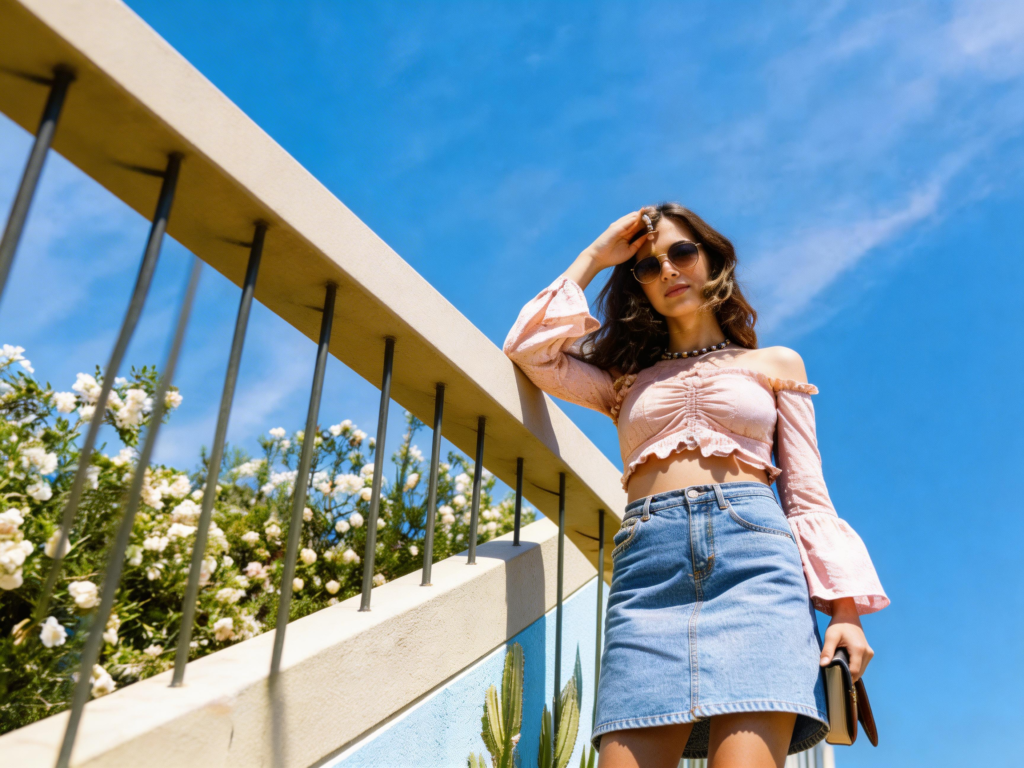
Its key features typically include loose fits, breathable fabrics, and maximum comfort. Classic pieces like jeans, T-shirts, hoodies, and sneakers are not only practical and versatile but also effortlessly stylish. Casual wear allows you to dress comfortably while still showcasing your personal style.
Item | Description |
T-Shirt | Lightweight, comfortable, and easy to care for—an essential piece for casual outfits. |
Jeans | Durable and timeless, versatile and stylish—perfect for everyday wear. |
Hoodie | Great for layering or casual outings, combining comfort with style. |
Sneakers | Functional and comfortable, ideal for long periods of activity or casual wear. |
Pro Tip: Choosing neutral colors, such as black, white, or gray, makes casual pieces easier to mix and match for versatile looks.
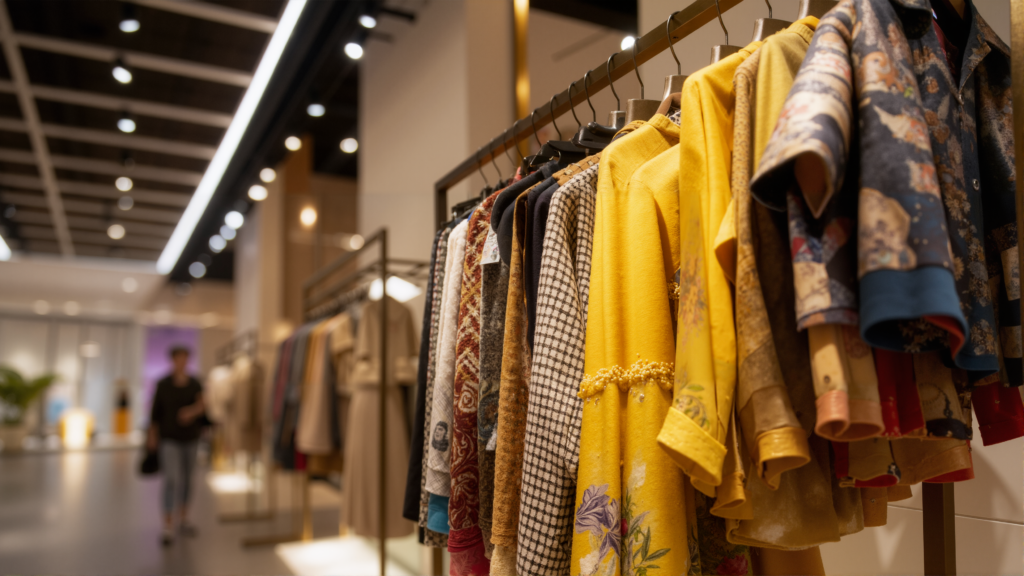
Formal wear refers to clothing designed for professional or special occasions, emphasizing elegance, structure, and adherence to specific dress codes.
Formal wear not only reflects professional image but also conveys confidence, respect, and a sense of professionalism.
Item | Description |
Suit | A must-have for business or formal occasions, conveying a polished and professional look. |
Blazer | Suitable for semi-formal events, offering a stylish yet composed appearance. |
Evening Gown | Long, flowing dresses perfect for formal dinners or special occasions, exuding elegance. |
Dress Shoes | Refined and elegant footwear that complements formal attire and enhances overall presence. |
Sportswear, or activewear, is designed for physical activity, offering flexibility and comfort. It’s popular in fitness and also as everyday casual fashion.
Key features include lightweight, breathable, and stretchy fabrics that wick away sweat. Common items are leggings, sports bras, sweatpants, and running shoes, combining performance with style.
Item | Description |
Leggings | Highly elastic, perfect for yoga, running, or various workouts. |
Sports Bra | Provides support and comfort during high-intensity activities. |
Sweatpants | Comfortable and casual, suitable for light exercise or relaxing at home. |
Running Shoes | Designed for sports, offering both comfort and durability. |
Athleisure blends sportswear and casual clothing for comfortable, everyday style. Leggings with a loose T-shirt or sneakers with a casual dress are popular ways to stay sporty and fashionable.
Each type of clothing serves a specific purpose, but in daily life, they often overlap. Understanding these categories clearly can help you build a wardrobe that is both functional and stylish.
Type | Primary Use | Secondary Use |
Casual Wear | Provides everyday comfort and versatility | Travel or leisure activities |
Formal Wear | Suitable for work, weddings, or formal events | Semi-formal occasions |
Sportswear | For sports and physical activities | Athleisure, suitable for casual outings |
Having a clear understanding of the three main clothing types—casual wear, formal wear, and sportswear—can help you make smarter purchasing decisions and build a wardrobe that fits your lifestyle.
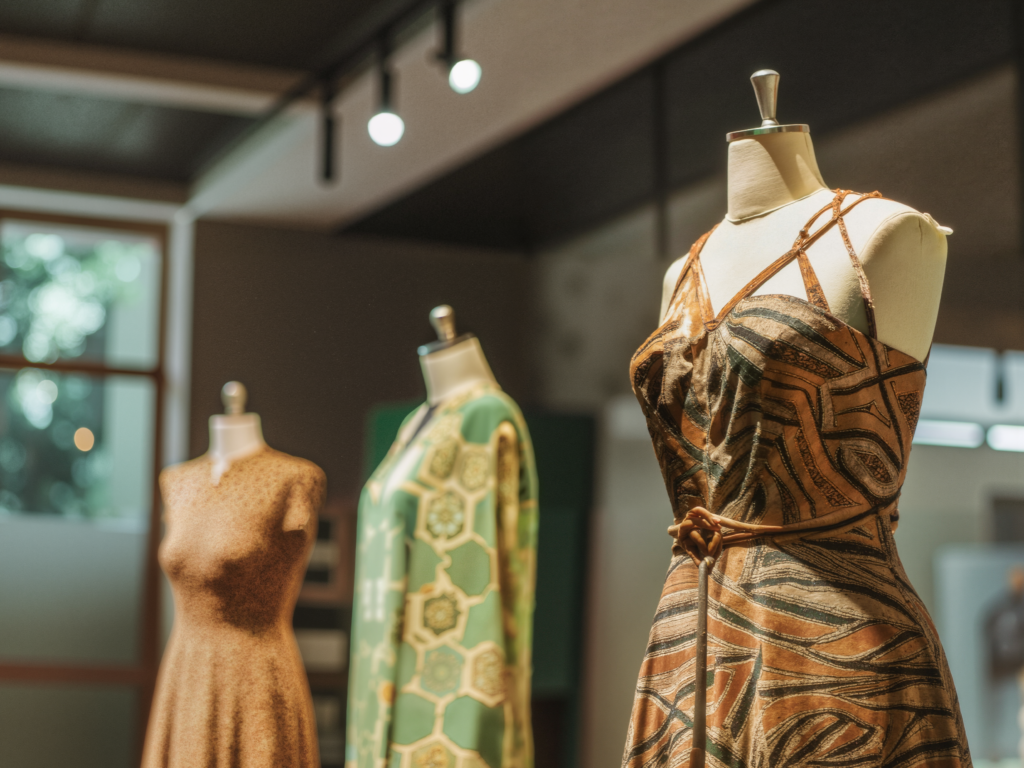
Clothing can be broadly divided into three main categories: casual wear¹, formal wear², and sportswear³. Each serves a distinct purpose and reflects different aspects of our lifestyle. Casual wear focuses on comfort and versatility, formal wear conveys elegance and professionalism, while sportswear combines functionality with style. Understanding these categories can help you make smarter purchasing decisions and build a wardrobe that meets your daily needs while reflecting your personal style.
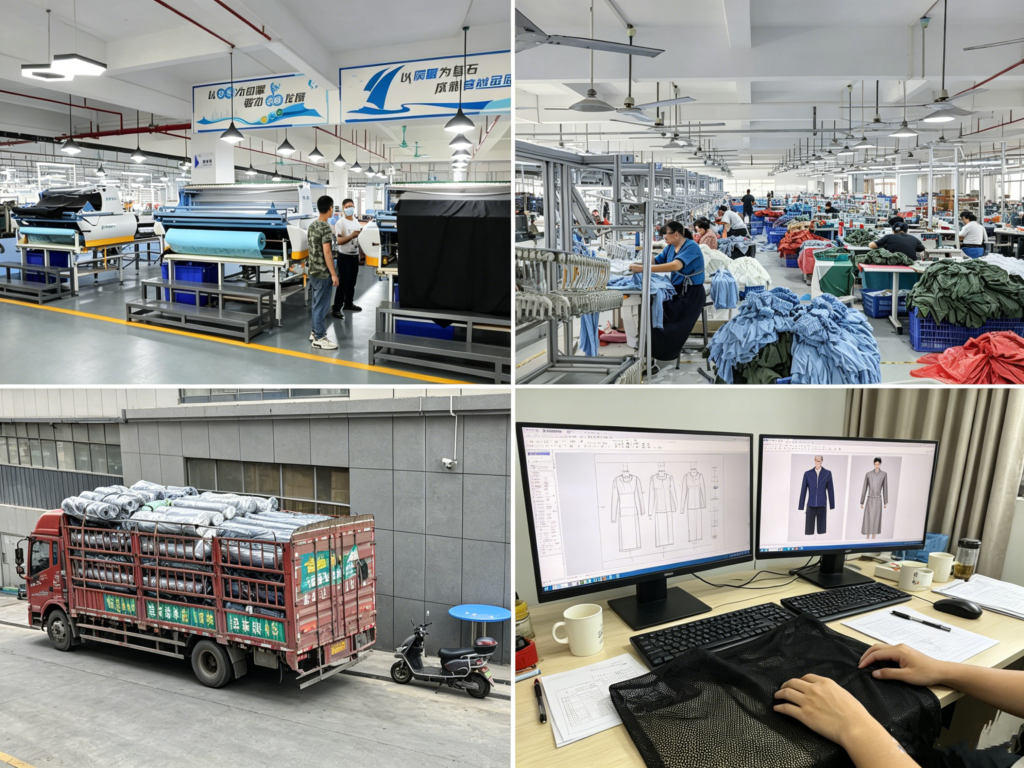
If you have any questions or require a quote, please leave
us a message. Our experts will get back to you within 24 hours to help you choose the ideal fashion products tailored to your needs.
Hi, I’m Lucy Cai, the founder of liantaoapparel.com. I’ve been managing a women’s clothing factory in China for over 16 years. With extensive experience in garment production and OEM services, I’m passionate about sharing insights into women’s fashion, apparel manufacturing, and global sourcing.
If you have any questions or need a quote, please contact us.
Please add us WhatsApp:+86 189 4809 3145
Provide us with detailed information about your requirements, supply design drawings or tech packs,
reference images, and share your ideas.
We will customize the best solution based on your needs and drawings, and provide a specific quote within 24 hours.
Once we receive your confirmation and deposit,we will commence mass production and take care of the subsequent shipping arrangements.