🏭 Looking for a Custom Apparel Manufacturer?
We are a leading OEM/ODM clothing factory with 20+ years of export experience. Custom styles, flexible MOQs, and retail-ready quality.
Everlane claims their high-quality T-shirts sell for just $7. In an industry full of high prices and unclear sourcing, that price seems almost unbelievable. Their secret lies in efficient supply chains, overseas production, direct-to-consumer sales, and a commitment to full transparency.
I’ve worked with factories across Asia and have seen firsthand how prices get inflated by layers of middlemen—the actual costs aren’t high, but the final price skyrockets. Everlane’s model flips this system on its head, allowing consumers to get truly valuable products at a fair price.
At first glance, a well-made T-shirt selling for just $7 seems almost unbelievable—but once you understand how they cut costs without compromising quality, the price starts to make sense.
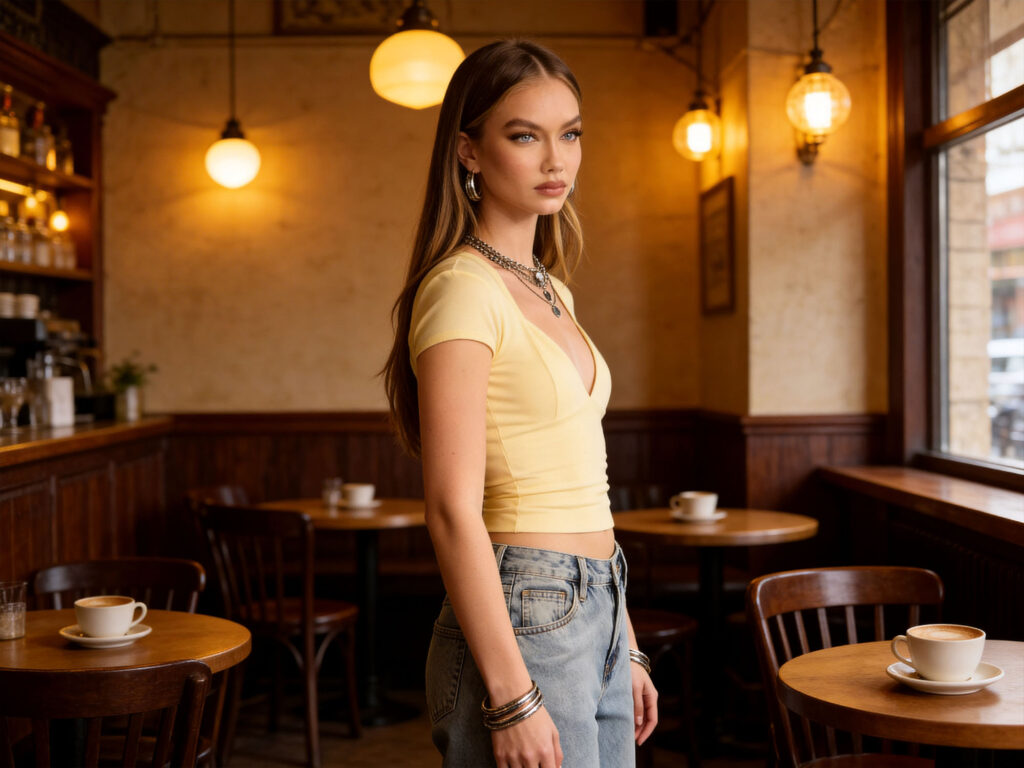
Everlane keeps prices low through a direct-to-consumer sales model, bulk production, lean operations, and close partnerships with efficient overseas factories.
Typically, $2–$3 goes toward materials, $1.50–$2.50 covers labor, and the rest is spent on shipping, packaging, and quality control.
Category | Estimated Cost (USD) | Notes |
Cotton | 2.00 | High-quality cotton, durable and soft |
Sewing Labor | 1.75 | Skilled workers ensure proper fit and details |
Trims & Labels | 0.50 | Includes brand labels and necessary decorations |
Packaging | 0.25 | Simple, eco-friendly packaging materials |
Shipping & Duties | 1.25 | Sea freight and import tariffs |
Quality Control | 0.25 | Each piece inspected to ensure no defects |
Total | 6.75–7.00 | Covers materials, production, logistics, and quality assurance |
To achieve high cost-efficiency, Everlane primarily sources its clothing from factories in Vietnam, China, Sri Lanka, and India. These regions not only have well-established manufacturing systems but also offer relatively low labor costs, helping the brand control production expenses.
But low costs don’t mean compromising on quality or ethics—Everlane carefully audits every factory, focusing on:
Everlane isn’t just selling wardrobe basics—they’re selling truth and trust. The brand’s innovative business model is part retail, part “report card,” giving consumers a clear view of the real cost behind every product.
Radical transparency means Everlane openly shares the cost of materials, labor, shipping, and markup for each item, so you can see exactly where every dollar goes.
For Everlane, it’s more than just a slogan—it’s a practice. Radical transparency means openly sharing every element of a product’s cost structure and sourcing process—no hidden markups, no vague explanations.
Everlane’s approach to transparency includes:
Young consumers, in particular, respond very positively to brand transparency—they feel a greater sense of control over their purchases and a stronger connection with the brand.

It’s not just about low prices. Everlane upholds ethical and sustainable practices while keeping costs reasonable—sounds impossible, but they make it work.
Their secret lies in streamlining product SKUs, investing in long-term factory partnerships, and carefully managing every step from design to delivery. This approach allows Everlane to achieve affordable prices, high quality, and ethical sourcing all at once, offering consumers a shopping experience they can trust.
Partially. Everlane uses sustainable cotton and eco-friendly dyes in some of their product lines, but cost constraints mean they can’t achieve full sustainability across every item. Their philosophy is: “Better, not perfect.”
Everlane’s T-shirts feature:
Everlane conducts thorough audits of every factory, publishes scorecards, and regularly visits facilities to ensure safe working environments and fair pay.
Everlane sits between fast fashion and high-end basics.
While brands like H&M or Uniqlo may have similar costs, Everlane keeps profit margins lower by skipping traditional retail and big marketing budgets. This lets consumers get high-quality, transparently made clothing at a fair price.
Brand | Average Retail Price | Estimated Manufacturing Cost |
H&M | $9.99 | $3–4 |
Zara | $19.99 | $4–6 |
Uniqlo | $14.90 | $5–7 |
Everlane | $18 | $7 |
Most brands mark up T-shirts 3–6 times, but Everlane keeps it around 2 times, cutting retail and marketing costs to offer high-quality, transparent clothing at a fair price.
Everlane offers higher value through transparency and quality, but storytelling is part of the model too—and it’s ethically focused.
Unlike other brands chasing image, Everlane says: “This is the true cost.” For many consumers, honesty is the brand itself.
Everlane’s success is undeniably appealing, but it’s not easily replicated. Still, there are valuable lessons to be learned.
The answer is yes, but it requires lean operations, trustworthy factories, and a compelling brand story. For smaller brands, building direct relationships with customers and staying focused is crucial.
Modern fashion brands use technology—like PLM software, digital samples, AI forecasting, and vertical integration—to cut waste, speed production, lower costs, and boost transparency.
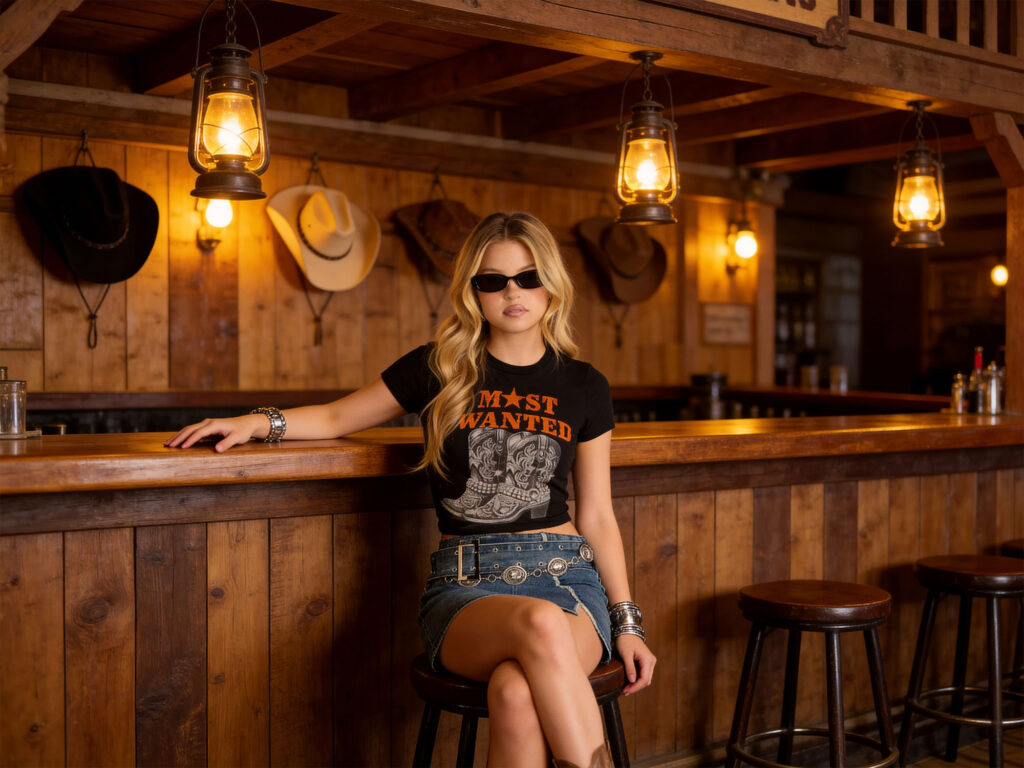
Everlane’s $7 T-shirt is a prime example of modern fashion economics. With carefully selected factories, transparent and fair pricing, and a streamlined product approach, Everlane proves that you don’t need inflated costs to create high-quality, trustworthy clothing. Their model not only benefits consumers but also offers a compelling blueprint for the fashion industry.
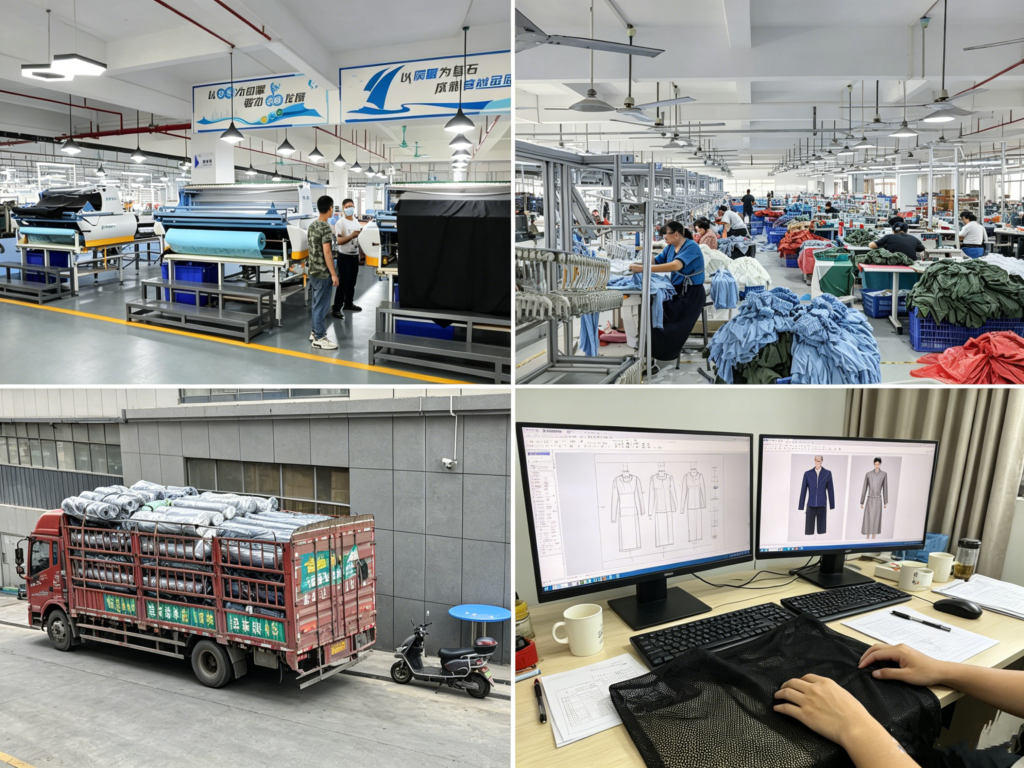
If you have any questions or require a quote, please leave
us a message. Our experts will get back to you within 24 hours to help you choose the ideal fashion products tailored to your needs.
Hi, I’m Lucy Cai, the founder of liantaoapparel.com. I’ve been managing a women’s clothing factory in China for over 16 years. With extensive experience in garment production and OEM services, I’m passionate about sharing insights into women’s fashion, apparel manufacturing, and global sourcing.
If you have any questions or need a quote, please contact us.
Please add us WhatsApp:+86 189 4809 3145
Provide us with detailed information about your requirements, supply design drawings or tech packs,
reference images, and share your ideas.
We will customize the best solution based on your needs and drawings, and provide a specific quote within 24 hours.
Once we receive your confirmation and deposit,we will commence mass production and take care of the subsequent shipping arrangements.