🏭 Looking for a Custom Apparel Manufacturer?
We are a leading OEM/ODM clothing factory with 20+ years of export experience. Custom styles, flexible MOQs, and retail-ready quality.
Shorts are a warm-weather essential, but not all shorts have the same length, fit, or purpose. One of the clearest distinctions is between traditional shorts and short shorts. Both provide freedom of movement, but their inseam, coverage, styling, and intended use can be very different.F
So, what is the difference between shorts and short shorts? The biggest difference is length. Traditional shorts usually fall around the knee or slightly above it, while short shorts sit much higher on the thigh and typically use a much shorter inseam.
The choice between the two depends on activity, climate, comfort, coverage preferences, body proportions, and personal style. For apparel brands, these differences also affect pattern development, fabric consumption, and manufacturing requirements.
This guide explains the differences between shorts and short shorts and how to select the right style for different occasions.
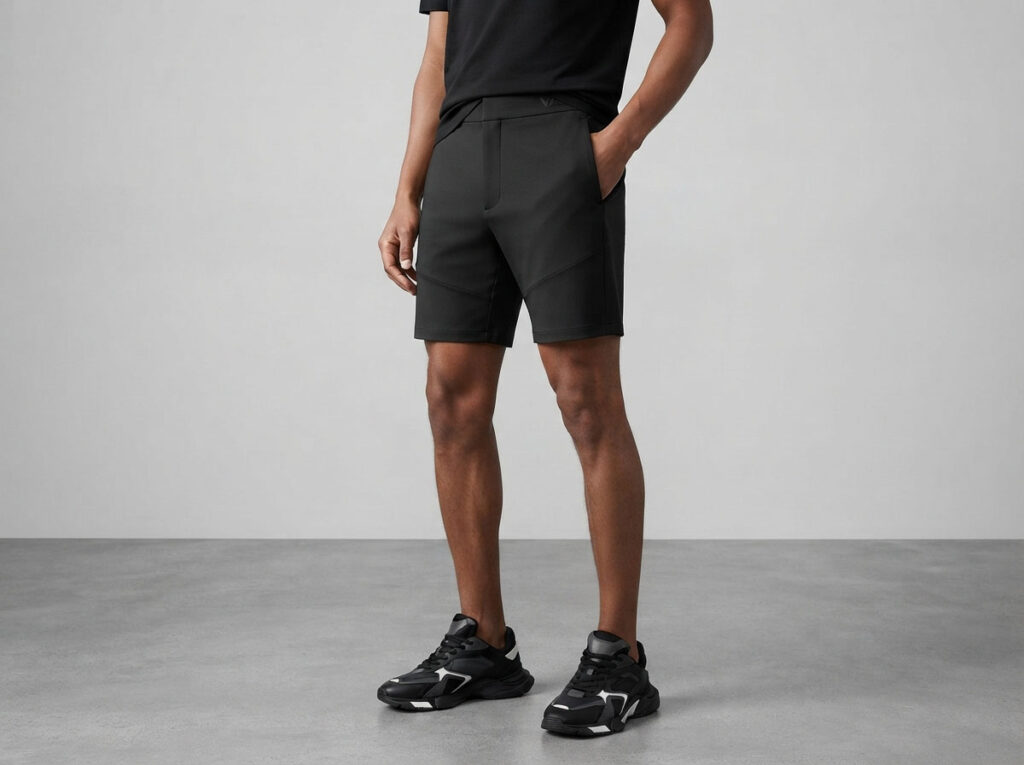
Shorts are garments designed to cover the lower body while ending above the knee. They are available in many silhouettes, fabrics, and lengths, making them suitable for casualwear, sportswear, travel, outdoor activities, and summer fashion.
For brands, these variations make shorts a broad category that can be adapted through fabric weight, rise, leg opening, pocket design, and finishing.
Short shorts are a shorter version of traditional shorts, with the hem positioned higher on the thigh. They are especially common in athleticwear, summer fashion, running, and retro-inspired styles.
Short shorts can also be engineered with features such as built-in liners, drawcords, secure pockets, reflective trims, and stretch panels.
The main differences involve length, coverage, fit, purpose, and styling. The following comparison provides a quick guide:
| Feature | Traditional Shorts | Short Shorts |
|---|---|---|
| Length | Around the knee or above | Mid-thigh or higher |
| Typical Inseam | Often medium to longer | Commonly 2–5 inches, depending on style |
| Purpose | Casual, outdoor, travel, everyday wear | Sports, summer wear, fashion, active lifestyles |
| Fit | Relaxed, regular, or tailored | Fitted, semi-fitted, or athletic |
| Coverage | More leg coverage | More thigh exposure |
| Best Occasions | Everyday activities, hiking, casual events | Running, beach trips, workouts, bold summer styling |
For consumers, the biggest decision is usually how much leg coverage and movement they prefer. For manufacturers, the length difference also changes the pattern, fabric yield, pocket placement, liner construction, and final garment balance.
Traditional shorts are a versatile option for consumers who want a balance between comfort, coverage, and everyday practicality.
Here are several reasons they remain a popular garment category.
For apparel brands, this broad usability makes traditional shorts a reliable core product that can be adapted across many fabrics and markets.
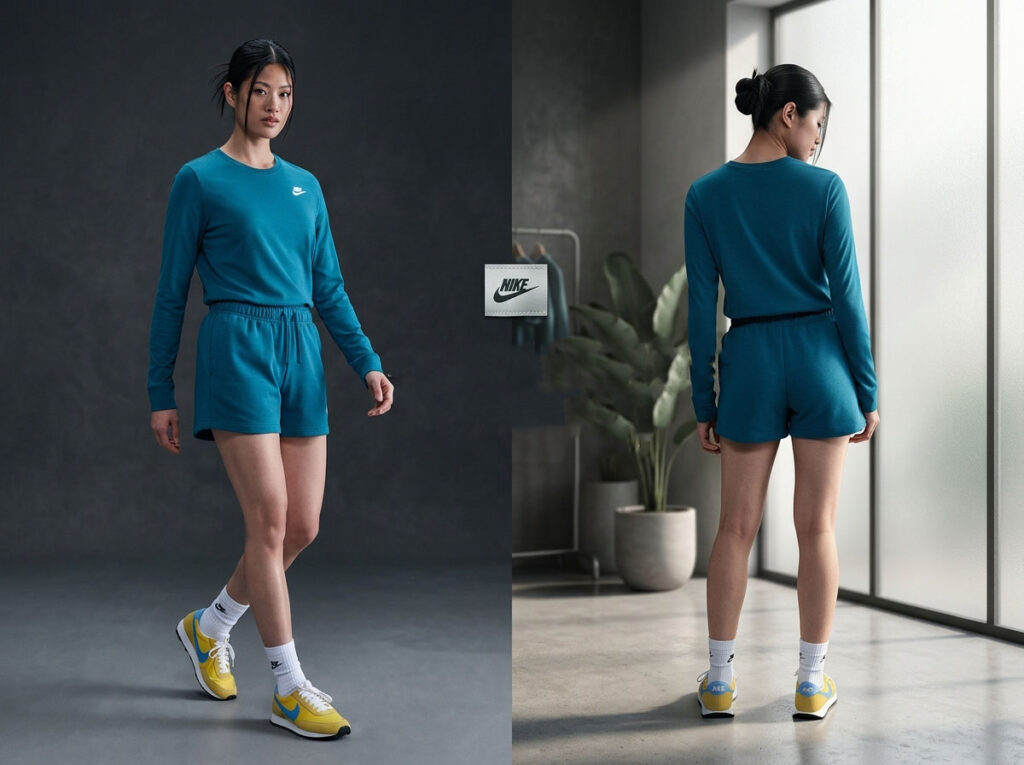
Short shorts are ideal for people who prioritize mobility, cooling, lightweight construction, and a more athletic or fashion-forward silhouette.
From a manufacturing perspective, short shorts also allow brands to experiment with split hems, liners, curved side seams, contrast trims, and technical fabrics.
The styling approach depends on the length, fabric, and intended aesthetic. Traditional shorts generally offer more outfit flexibility, while short shorts tend to create a sportier or more fashion-led appearance.
For brands, styling versatility can be increased through neutral colors, coordinated tops, matching sets, and fabric choices that work across multiple seasons.
The right shorts length depends on your activity, preferred coverage, body proportions, climate, and personal style. There is no single inseam that works equally well for everyone.
When brands develop shorts for a broader customer base, using multiple inseam options can help accommodate different body proportions without changing the entire garment concept.
Short shorts have strong historical roots in athletic and casual fashion, particularly in styles associated with the 1970s and 1980s. Their shorter proportions have continued to reappear as retro and athleisure influences cycle back into contemporary fashion.
Several factors support their continued visibility:
For brands, short shorts can be introduced as part of seasonal collections, retro capsules, performance ranges, or matching activewear sets.
Proper care helps preserve color, fabric performance, fit, and dimensional stability. The right care method depends on the fiber composition and finishing, so the garment’s care label should always take priority.
For manufacturers, wash testing before bulk production is especially important. Shrinkage, colorfastness, stretch recovery, and dimensional stability can all affect the final fit.
So, what is the difference between shorts and short shorts? The primary difference is length, but the choice also affects coverage, mobility, styling, comfort, and intended use.
Traditional shorts offer greater coverage and broad versatility, making them suitable for everyday wear, travel, outdoor activities, and casual fashion. Short shorts emphasize leg freedom, lightweight construction, and a more athletic or fashion-forward silhouette.
The best option depends on the activity, desired coverage, body proportions, climate, fabric, and personal style.
For apparel brands, the distinction goes further than inseam length. Pattern proportions, waistband construction, pocket placement, fabric weight, stretch, liner design, and finishing all need to be considered when developing a market-ready product.
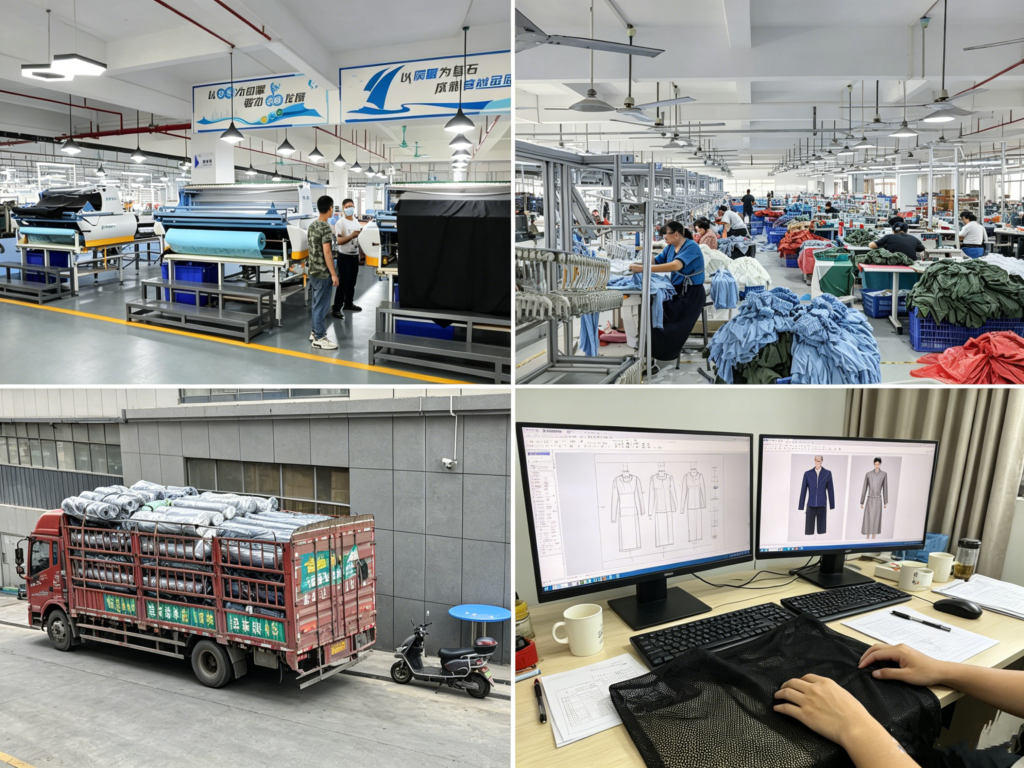
At Liantao, we support brands developing custom shorts, athletic shorts, short shorts, beachwear, activewear, and private-label apparel. From fabric selection and sample development to fit adjustment, bulk production, and quality control, the objective is to create shorts that match the intended customer and end use.
Whether the goal is a practical chino short, a performance running short, or a fashion-focused short-short silhouette, the strongest product is one that combines the right length, fit, fabric, function, and manufacturing consistency.
If you have any questions or require a quote, please leave
us a message. Our experts will get back to you within 24 hours to help you choose the ideal fashion products tailored to your needs.
Hi, I’m Lucy Cai, the founder of liantaoapparel.com. I’ve been managing a women’s clothing factory in China for over 16 years. With extensive experience in garment production and OEM services, I’m passionate about sharing insights into women’s fashion, apparel manufacturing, and global sourcing.
If you have any questions or need a quote, please contact us.
Please add us WhatsApp:+86 189 4809 3145
Provide us with detailed information about your requirements, supply design drawings or tech packs,
reference images, and share your ideas.
We will customize the best solution based on your needs and drawings, and provide a specific quote within 24 hours.
Once we receive your confirmation and deposit,we will commence mass production and take care of the subsequent shipping arrangements.