


🏭 Looking for a Custom Apparel Manufacturer?
We are a leading OEM/ODM clothing factory with 20+ years of export experience. Custom styles, flexible MOQs, and retail-ready quality.
Oversized sweatshirts have become one of the most recognizable pieces in modern casualwear, streetwear, and athleisure. Their relaxed silhouette offers comfort while also creating a distinctive fashion statement.
But when did oversized sweatshirts become popular, and how did a loose-fitting sportswear garment develop into a global fashion staple?
The oversized sweatshirt trend became especially visible during the 1980s, when fitness culture, hip-hop, sportswear, and relaxed fashion began influencing mainstream clothing. During the 1990s, oversized sweatshirts became strongly associated with streetwear, music, skate culture, and youth fashion. In the 2000s and 2010s, designers and celebrities further transformed oversized silhouettes through luxury collaborations, minimalist styling, and gender-neutral fashion.
Today, oversized sweatshirts continue to evolve through sustainable materials, technical fabrics, digital fashion, and personalized apparel.
Understanding this history helps explain why oversized sweatshirts remain relevant across different generations and fashion markets.
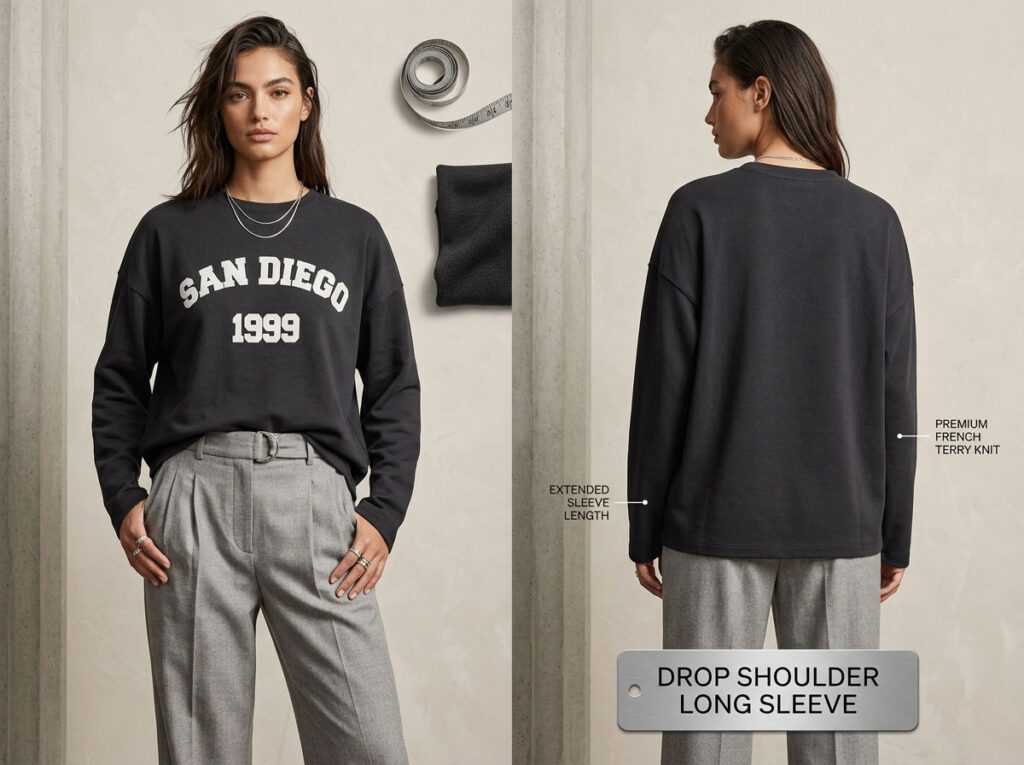
The 1980s were a major turning point for oversized clothing. Fashion became more relaxed, athletic influences became increasingly visible, and consumers began embracing garments that prioritized movement and comfort.
Oversized sweatshirts benefited from several cultural changes happening at the same time. Fitness became increasingly mainstream, sportswear moved beyond the gym, and hip-hop culture introduced new proportions and styling ideas.
| Brand | Contribution to the Oversized Sweatshirt Trend |
|---|---|
| Champion | Helped establish durable athletic sweatshirts and the recognizable reverse-weave construction. |
| Adidas | Connected sweatshirts with sporty, casual, and athletic fashion. |
| Nike | Helped move sportswear from performance environments into everyday wardrobes. |
| Ralph Lauren | Combined relaxed silhouettes with polished, preppy casualwear. |
These brands helped demonstrate that a sweatshirt did not have to be limited to athletic activities. The garment could also communicate lifestyle, identity, and personal style.
The 1990s were another defining period for oversized fashion. Hip-hop, skateboarding, grunge, professional sports, and youth culture all contributed to the popularity of loose silhouettes.
Oversized sweatshirts became more than comfortable clothing. They became a way to communicate cultural identity and affiliation with particular music and lifestyle communities.
| Style | Key Features |
|---|---|
| Logo Sweatshirts | Large brand graphics and prominent logos became important elements of youth fashion. |
| Hooded Sweatshirts | Hoodies became strongly associated with hip-hop, skateboarding, and casual streetwear. |
| Tie-Dye & Graphics | Bold prints and expressive graphics appealed to skaters, music fans, and grunge-inspired consumers. |
By the end of the decade, oversized sweatshirts had developed into a recognizable streetwear essential, rather than simply being loose athletic clothing.
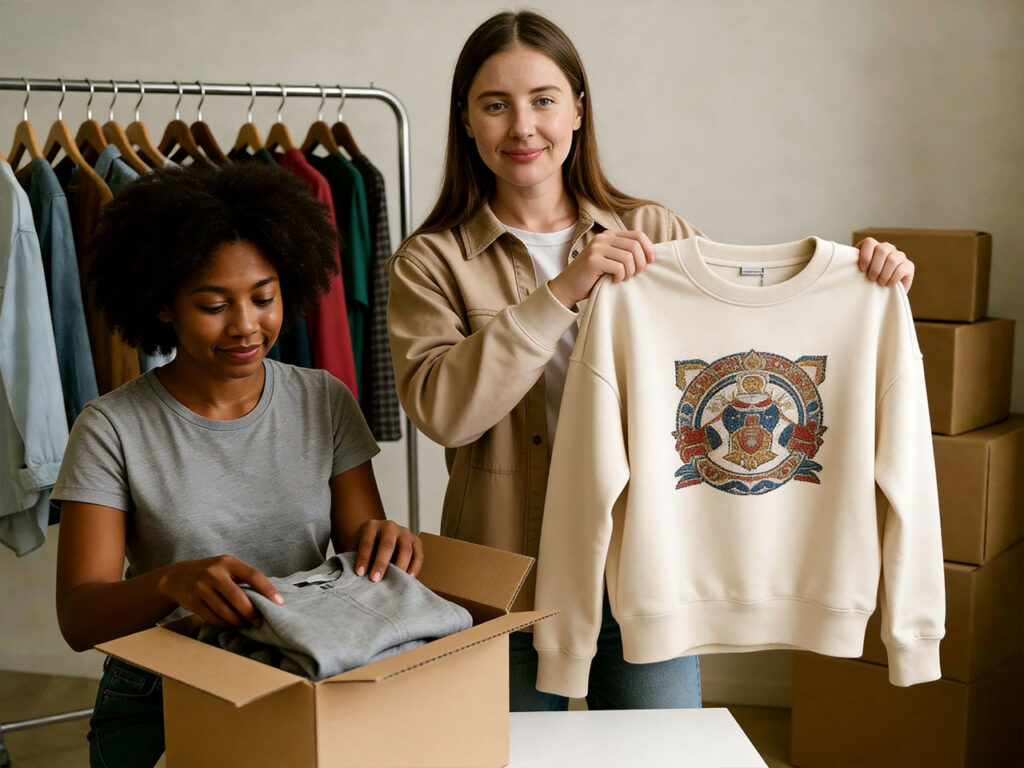
The early 2000s introduced new interpretations of oversized fashion. Baggy clothing remained influential, particularly within hip-hop and Y2K fashion, while luxury designers increasingly experimented with relaxed proportions.
During the 2010s, the trend shifted again. Minimalist styling, athleisure, premium streetwear, and celebrity influence helped oversized sweatshirts reach a broader consumer market.
| Trend | Impact on Oversized Sweatshirts |
|---|---|
| Monochrome Minimalism | Neutral colors and clean oversized silhouettes made sweatshirts easier to style across different outfits. |
| Streetwear Luxury | Premium streetwear brands helped transform oversized sweatshirts and hoodies into fashion-focused statement pieces. |
| Gender-Neutral Fashion | Relaxed silhouettes could be marketed across different consumer groups, increasing their versatility and market potential. |
Oversized sweatshirts had therefore moved well beyond traditional sportswear. They could function as casual basics, streetwear pieces, luxury-inspired garments, and gender-neutral fashion items.
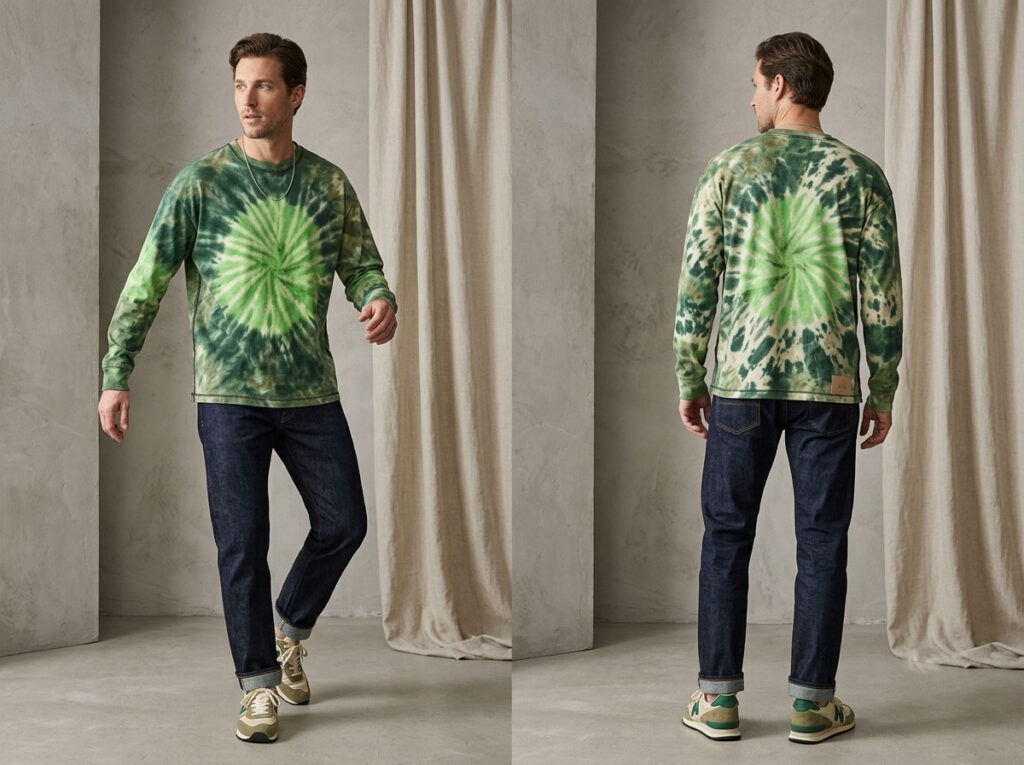
Yes. Oversized sweatshirts remain relevant in contemporary fashion because they combine several qualities consumers continue to value: comfort, versatility, layering potential, and an easy-to-style silhouette.
However, the modern oversized sweatshirt is different from its earlier versions. Consumers now have more choices in fabric composition, weight, sustainability, construction, graphics, and customization.
The modern oversized sweatshirt therefore sits at the intersection of comfort fashion, streetwear, athleisure, and contemporary design.
The future of oversized sweatshirts will likely focus on a combination of comfort, sustainability, personalization, and manufacturing innovation.
Oversized silhouettes are relatively adaptable, allowing brands to change fabric weight, surface treatment, graphics, construction, and proportions without abandoning the basic product concept.
For apparel brands and private-label manufacturers, this flexibility creates opportunities to develop different oversized sweatshirt collections for streetwear, casualwear, athleisure, and lifestyle markets.
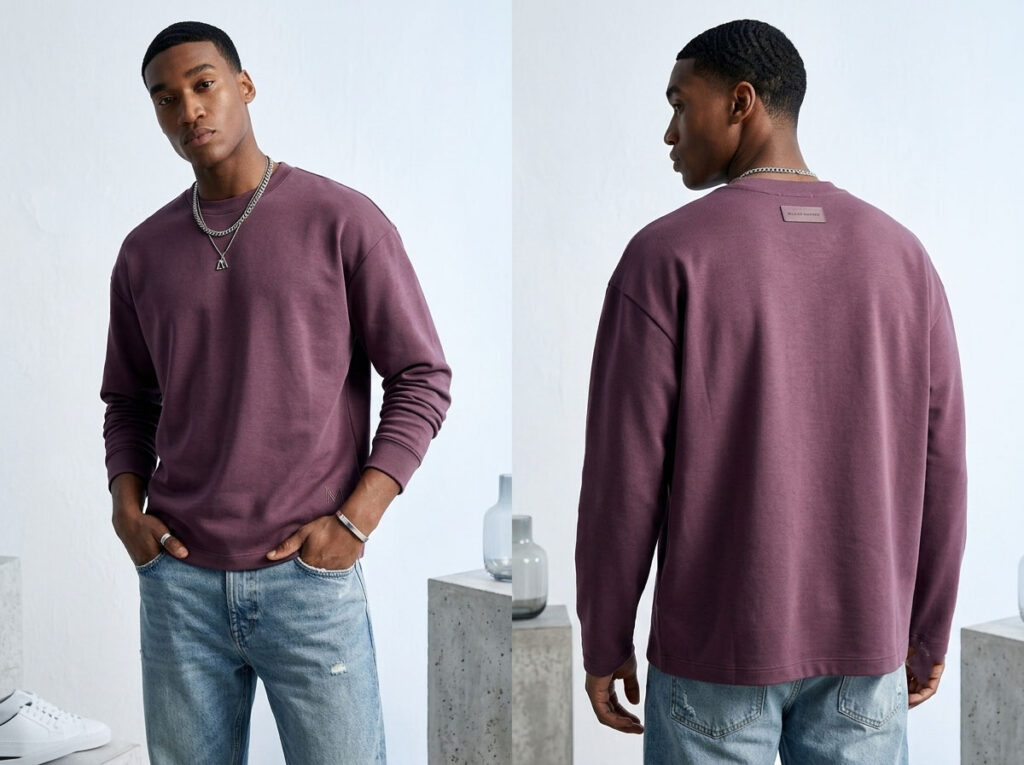
| Trend | Potential Impact on Oversized Sweatshirts |
|---|---|
| 3D-Knitted Sweatshirts | Advanced production methods could enable more precise construction and reduced material waste. |
| AI-Fitted Sizing | Digital tools may help consumers select oversized proportions based on body measurements and preferred fit. |
| Customization Boom | Brands can offer personalized graphics, embroidery, colors, washes, and construction details to create differentiated products. |
Other important development areas may include recycled fibers, organic cotton, low-impact dyeing, heavyweight premium fabrics, brushed fleece, French terry, and more precise fit specifications.
For manufacturers, the challenge will be balancing the visual appeal of an oversized silhouette with fabric performance, dimensional stability, shrinkage control, pilling resistance, colorfastness, and production consistency.
So, when did oversized sweatshirts become popular?
The trend became particularly visible in the 1980s, when fitness culture, casualwear, sportswear, and hip-hop began influencing mainstream fashion. The 1990s strengthened the connection between oversized sweatshirts and streetwear, while the 2000s and 2010s introduced luxury fashion, athleisure, minimalism, and gender-neutral styling.
By 2025, oversized sweatshirts remain relevant because the basic concept continues to adapt. New fabrics, sustainable materials, digital customization, and evolving streetwear aesthetics allow brands to reinterpret the silhouette for different consumers.
For apparel brands developing their own collections, the opportunity is not simply to make a sweatshirt larger. Fabric selection, GSM, fit balance, shoulder construction, rib specifications, washing, printing, embroidery, and finishing all influence the final appearance and commercial positioning of an oversized sweatshirt.
Liantao can support brands looking to develop custom oversized sweatshirts through fabric selection, product development, private-label production, and manufacturing solutions tailored to specific market requirements.
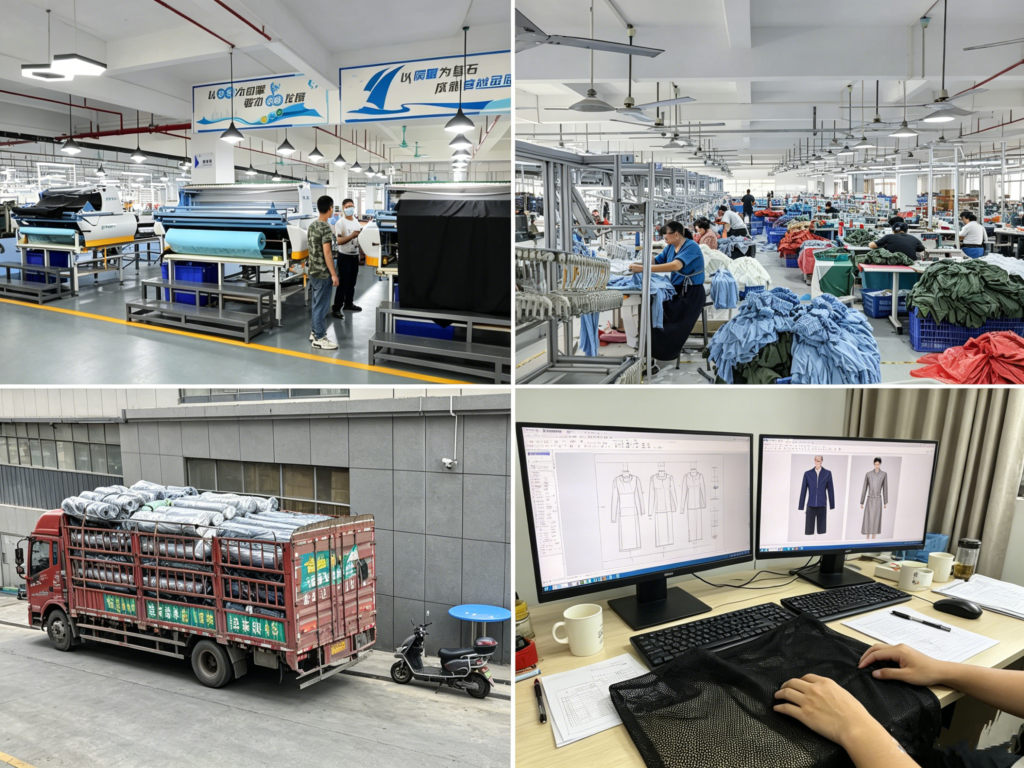
If you have any questions or require a quote, please leave
us a message. Our experts will get back to you within 24 hours to help you choose the ideal fashion products tailored to your needs.
Hi, I’m Lucy Cai, the founder of liantaoapparel.com. I’ve been managing a women’s clothing factory in China for over 16 years. With extensive experience in garment production and OEM services, I’m passionate about sharing insights into women’s fashion, apparel manufacturing, and global sourcing.
If you have any questions or need a quote, please contact us.
Please add us WhatsApp:+86 189 4809 3145
Provide us with detailed information about your requirements, supply design drawings or tech packs,
reference images, and share your ideas.
We will customize the best solution based on your needs and drawings, and provide a specific quote within 24 hours.
Once we receive your confirmation and deposit,we will commence mass production and take care of the subsequent shipping arrangements.


