


🏭 Looking for a Custom Apparel Manufacturer?
We are a leading OEM/ODM clothing factory with 20+ years of export experience. Custom styles, flexible MOQs, and retail-ready quality.
Weighted hoodies have attracted attention as a new type of comfort-focused apparel. But are they really worth the extra cost and weight compared with a standard hoodie?
The answer depends on what you expect from the garment. A weighted hoodie is not simply a heavier sweatshirt. It is designed with additional weight distributed through selected areas of the garment to create a more grounded, pressure-based wearing experience.
For some people, that added weight may feel calming or comforting. For others, the extra load may feel unnecessary or restrictive. Evidence from related weighted products suggests that deep-pressure sensations can be comforting for some users, but individual responses vary and research does not justify treating weighted clothing as a universal treatment for anxiety, sleep problems, or other medical conditions.
The value of a weighted hoodie therefore depends on weight distribution, fabric quality, construction, fit, portability, care requirements, and the wearer’s personal preference.
At Liantao, we view weighted hoodies as a specialized comfortwear category rather than a replacement for conventional fleece hoodies. For brands considering this product, the key is to develop a garment that feels balanced, comfortable, durable, and practical—not simply heavier.
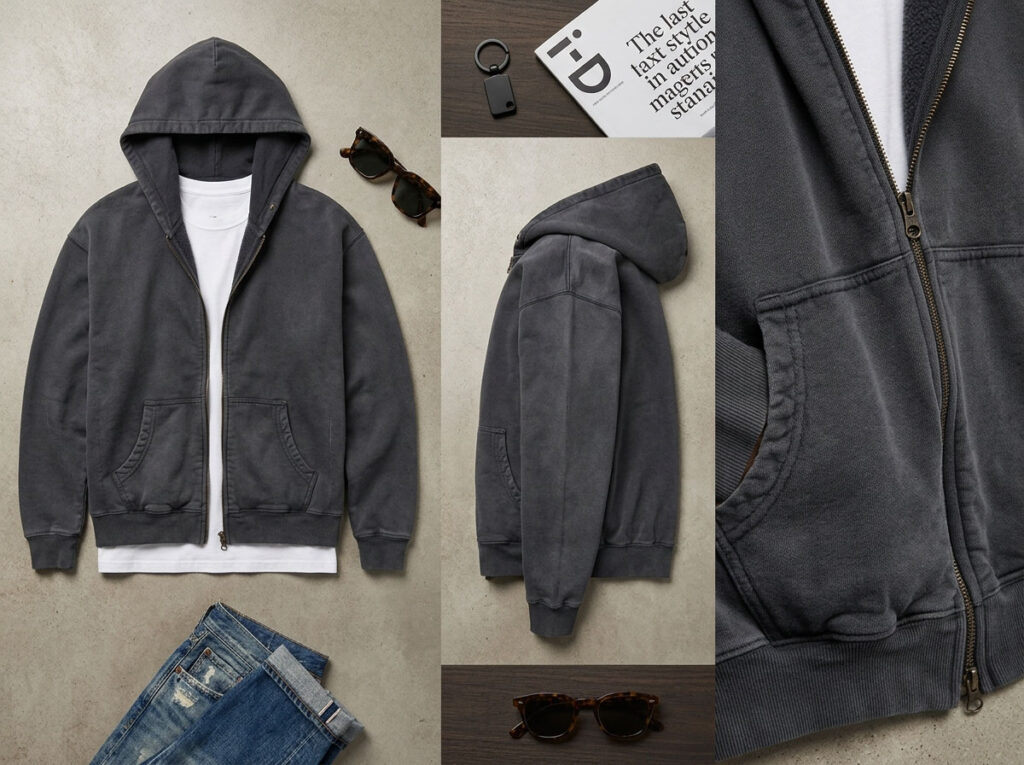
A weighted hoodie is a garment designed with additional weight integrated into or attached to specific areas of the garment. Depending on the product, manufacturers may use enclosed pockets, internal compartments, glass beads, polymer pellets, or other suitable weighting materials.
The purpose is generally to create evenly distributed pressure or a more substantial body feel while retaining the mobility and convenience of wearable clothing.
The concept is related to weighted blankets and other weighted products, which are often used for comfort and relaxation. Research on weighted blankets suggests that some people experience calming effects, but the evidence remains limited and individual responses differ.A well-designed weighted hoodie needs to solve several problems at the same time:
Deep pressure stimulation describes the sensation of gentle, sustained pressure against the body. Some people find this sensation calming or reassuring, although it should not automatically be described as a medical treatment.
For apparel brands, the important product-development question is how to create consistent and comfortable pressure without excessive bulk or restriction.
The added weight should be distributed carefully across the garment rather than concentrated in one location.
Common target areas can include the shoulders, upper torso, chest, or back, depending on the garment’s construction and intended use.
Uneven weight can create pulling, pressure points, or discomfort, so internal compartments and reinforcement are important.
Weighted construction adds another layer of complexity to fabric selection.
Soft cotton, cotton blends, fleece, French terry, polyester blends, and other suitable materials can be considered depending on the desired hand feel, breathability, weight, and durability.
The objective is to balance fabric comfort with the additional weight of the garment.
A standard hoodie primarily provides warmth, layering, coverage, softness, and casual styling.
A weighted hoodie adds a functional comfort element by introducing controlled additional weight into a wearable garment.
| Garment Type | Main Goal |
|---|---|
| Regular Hoodie | Warmth, layering, softness, and casual comfort |
| Weighted Hoodie | Portable comfort, added pressure, and a more grounded wearing experience |
Weighted hoodies are primarily interesting because they combine the comfort of a hoodie with the physical sensation of added weight.
Some wearers may find this sensation relaxing, grounding, or reassuring. However, the benefits are not identical for everyone, and a weighted hoodie should not be marketed as a guaranteed solution for anxiety, ADHD, insomnia, or other health conditions.
Some people report that weighted products feel calming during stressful situations. Related research on weighted blankets has found potential anxiety benefits, but experts emphasize that research is still limited and effects vary by person.
For this reason, a weighted hoodie is better described as a comfort tool that may support relaxation rather than a treatment for anxiety.
A stable, comfortable sensory input may help some individuals feel more settled while studying, working, traveling, or completing quiet activities.
However, the response is highly individual. A weighted garment should not be presented as a proven treatment for ADHD or sensory processing disorders without appropriate evidence.
One of the clearest practical advantages is portability.
Unlike a weighted blanket, a hoodie can be worn while walking around the house, working at a desk, traveling, reading, or relaxing.
Weighted blankets have been studied in relation to sleep and anxiety, but evidence for weighted hoodies specifically is much more limited.
A weighted hoodie may be useful as part of a relaxing evening routine for some users, but it should not be promoted as a guaranteed sleep-improvement product.
Modern weighted hoodies can be developed to look similar to premium casualwear.
This gives brands the opportunity to combine functional comfort with contemporary silhouettes, colors, trims, and branding rather than making the garment look purely therapeutic.
| Benefit | How It May Help |
|---|---|
| Calming Comfort | Added weight may create a reassuring physical sensation for some wearers |
| Focus-Friendly Environment | A stable sensory experience may help some people feel more settled |
| Portable Comfort | Provides a wearable alternative to stationary weighted products |
| Relaxation Routine | Can become part of a personal wind-down routine |
| Functional Style | Combines a familiar hoodie silhouette with specialized construction |
Weighted hoodies are not automatically better than conventional hoodies. The additional weight introduces new challenges related to comfort, mobility, price, washing, and product design.
The main drawbacks include extra weight, potentially reduced versatility, higher manufacturing costs, specialized care, and limited product availability.
Not everyone enjoys having additional weight on the body.
If the garment is too heavy or the weight is poorly distributed, it may cause fatigue, pulling, pressure points, or a restrictive feeling rather than comfort.
There is no universal weight level that is appropriate for every wearer. People with medical conditions, respiratory problems, circulation concerns, or other health issues should seek appropriate professional advice before using heavily weighted garments.
Weighted hoodies remain a niche category compared with ordinary hoodies.
That means consumers may find fewer choices in colors, fits, silhouettes, fabrics, and styling details.
For brands, however, this also represents a product-development opportunity. A manufacturer can differentiate through fit, fabric, weight placement, removable components, color options, and premium finishing.
Weighted hoodies generally require more components and more complicated construction than standard hoodies.
Additional internal compartments, reinforcement, weighting materials, sewing operations, and quality-control procedures can increase the product cost.
| Hoodie Type | Typical Market Position |
|---|---|
| Regular Hoodie | Broad-market, accessible casualwear |
| Weighted Hoodie | Premium or specialized comfortwear |
The actual retail price can vary substantially depending on fabric, total weight, construction, brand positioning, and the weighting system.
The presence of internal weighting components can make washing and drying more complicated.
Some designs may use removable weight packs or panels to make care easier, while permanently integrated weights require construction and wash testing to ensure that the garment remains stable.
Recommendation: For commercial product development, consider removable or securely enclosed weight components and validate the complete garment through wash and durability testing.
Weighted hoodies usually cost more than conventional hoodies because they require additional materials, construction steps, and quality-control considerations.
The final retail price depends on the fabric, weight system, garment complexity, brand positioning, and production volume. Rather than treating one price range as universal, buyers should compare the complete product specification.
Fabric choice has a direct effect on both comfort and production cost.
Cotton can offer softness and breathability, polyester can provide durability and moisture management, while blends can balance multiple performance characteristics.
| Material Type | Characteristics | Cost Impact |
|---|---|---|
| Cotton | Soft, breathable, familiar hand feel | Moderate |
| Polyester | Durable and moisture-managing | Low to Moderate |
| Cotton-Poly Blend | Balanced comfort and durability | Moderate |
| Organic Cotton | Soft feel with sustainability positioning | Higher |
The best fabric depends on the target market, climate, weight level, desired hand feel, and retail position.
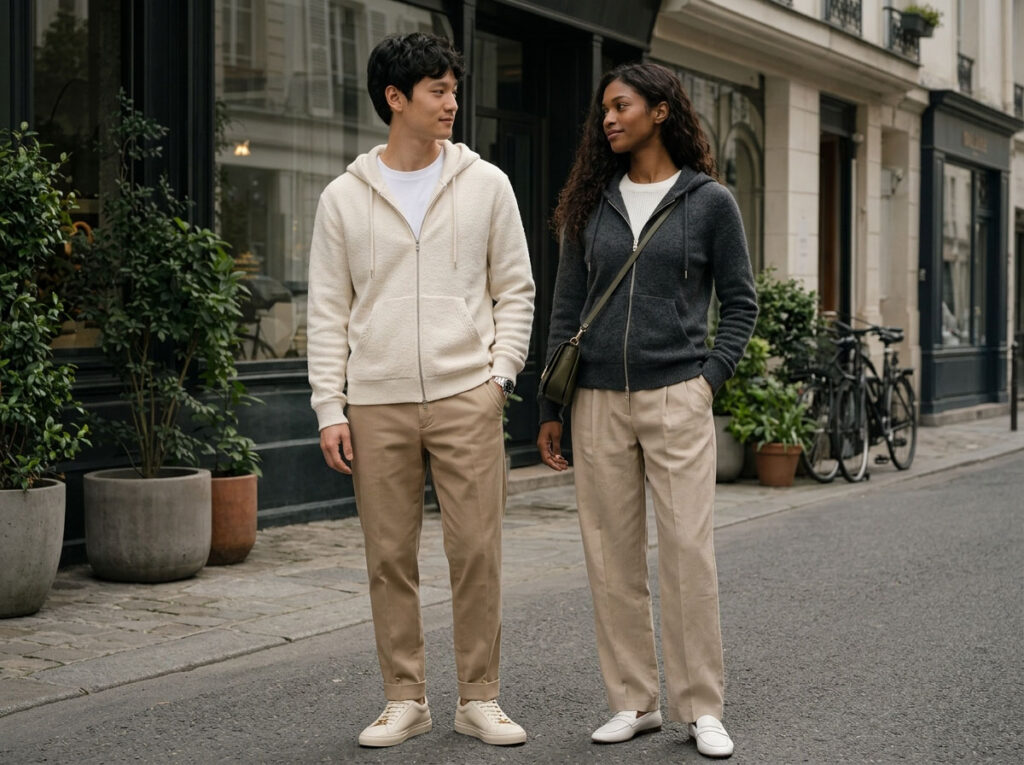
A weighted hoodie requires internal construction that keeps the added weight in its intended location.
Poorly designed compartments may allow the weighting material to shift, creating uneven pressure and potentially damaging seams during repeated use.
Different weighting materials provide different densities, flexibility, cost, and construction requirements.
| Weight Material | Characteristics | Cost Factor |
|---|---|---|
| Glass Beads | Dense and compact; suitable for controlled distribution | Higher |
| Steel-Based Weighting | Dense and durable but requires careful enclosure | Moderate to Higher |
| Polymer Pellets | Lightweight, affordable, and widely adaptable | Lower |
The correct material should be selected according to product weight, compartment size, durability, safety, washability, and intended use—not price alone.
A premium sensory or comfortwear brand may justify a higher retail price through fabric quality, construction, packaging, testing, and product differentiation.
For manufacturers, however, product positioning should be established before material and construction decisions are finalized.
Weighted hoodies are most relevant to consumers who specifically enjoy the sensation of additional pressure or want portable comfort during everyday activities.
The potential value is highly personal. A person who enjoys weighted blankets may be more interested in trying a weighted hoodie, while someone who dislikes pressure may prefer a lightweight standard hoodie.
Some people find weighted products comforting when they are dealing with everyday stress or simply want a more grounded feeling.
However, weighted clothing should complement—not replace—appropriate professional support for clinically significant anxiety or other mental-health concerns.
People who actively seek predictable tactile or pressure-based sensations may find weighted apparel interesting.
The garment should provide consistent, manageable pressure rather than excessive compression or weight.
Consumers who find weighted blankets comfortable but want greater mobility may appreciate the wearable format.
A hoodie allows the wearer to move around rather than remaining under a blanket.
A weighted hoodie may appeal to people who want a comfortable garment for desk work, commuting, travel, or quiet breaks during demanding days.
Its value comes from personal comfort rather than a guaranteed physiological or psychological effect.
Weighted hoodies can also appeal to consumers without a specific sensory need.
Some buyers may simply enjoy the substantial, secure feeling of the garment and see it as an alternative to ordinary fleece or heavyweight hoodies.
Weighted hoodies and weighted blankets are based on a similar concept—adding weight to create a more substantial pressure sensation—but they are designed for different use situations.
A weighted hoodie prioritizes mobility and portability, while a weighted blanket prioritizes stationary comfort and larger body coverage.
| Feature | Weighted Hoodies | Weighted Blankets |
|---|---|---|
| Portability | High – wearable while moving | Low – primarily stationary |
| Typical Weight | Lower total load than many blankets | Usually substantially heavier |
| Targeted Pressure | Often focused on upper body | Broad or full-body coverage |
| Price Range | Varies by construction and brand | Broad range depending on size and materials |
| Practical Applications | Daytime comfort, travel, work, relaxation | Rest, relaxation, and sleep routines |
Takeaway: If you want a wearable comfort product that allows movement, a weighted hoodie offers an advantage. If you want broad coverage while resting, a weighted blanket is generally more appropriate.
Research on weighted blankets suggests that some people experience calming or sleep-related benefits, but the evidence remains limited, so neither product should be treated as a guaranteed therapeutic solution.
The big question remains: should you buy or develop a weighted hoodie for everyday use?
For the right wearer, it can be worthwhile. But it is not automatically a better everyday hoodie than a lightweight or heavyweight conventional design.
The strongest case exists when the user genuinely enjoys weighted comfort and values portability. For someone who simply wants a soft casual hoodie, the additional weight may provide little extra value.
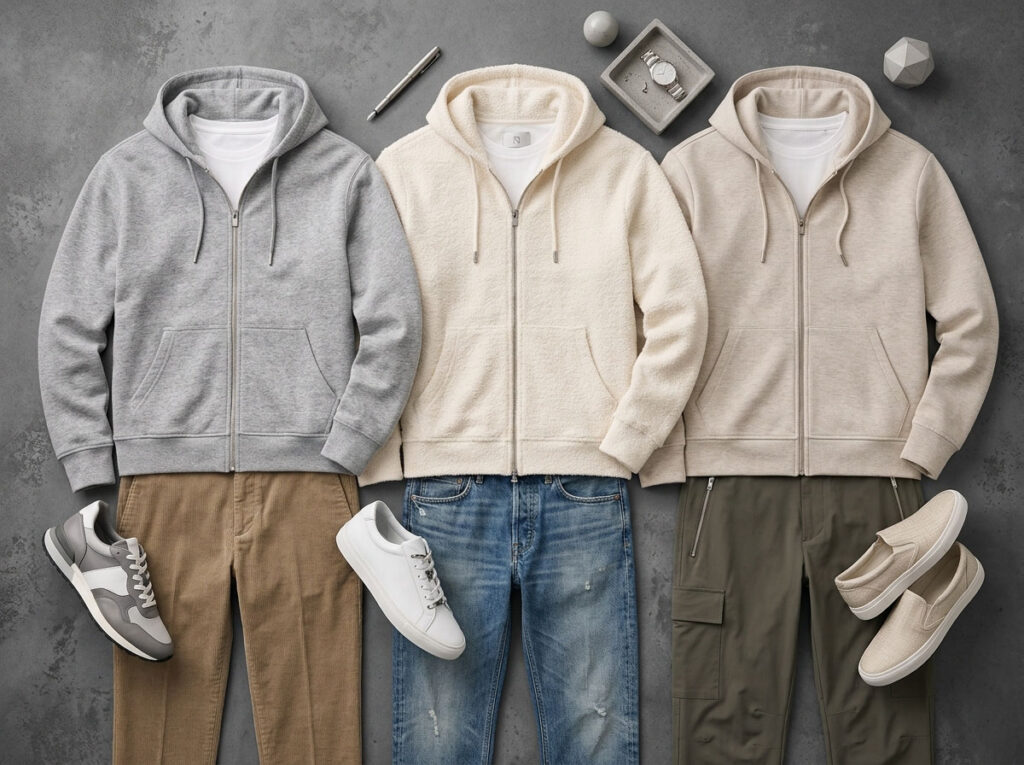
Pro Tip: If possible, test the garment for comfort before committing to a purchase or large production order. For brands, prototype testing with representative users can reveal problems that are difficult to identify from a specification sheet alone.
So, are weighted hoodies worth it?
For the right consumer, they can be. But their value comes from a specific combination of added weight, comfortable pressure, portability, fabric quality, fit, and personal preference rather than simply being heavier than a normal hoodie.
A weighted hoodie is most useful when the wearer genuinely wants a more substantial, pressure-based comfort experience and can tolerate the additional weight during everyday activities.
It is less compelling for consumers who prefer lightweight garments, dislike pressure, or simply want a conventional hoodie for warmth and casual styling.
The same principle applies to apparel brands. A weighted hoodie should not be developed simply because it sounds innovative. It needs a clear target consumer and a well-engineered product.
At Liantao, weighted hoodie development can focus on:
Ultimately, a weighted hoodie is not a universal upgrade to a regular hoodie. It is a purpose-built comfortwear product. When the weight, materials, construction, fit, and user need are properly matched, it can occupy a distinctive position between conventional apparel and specialized sensory comfort products.
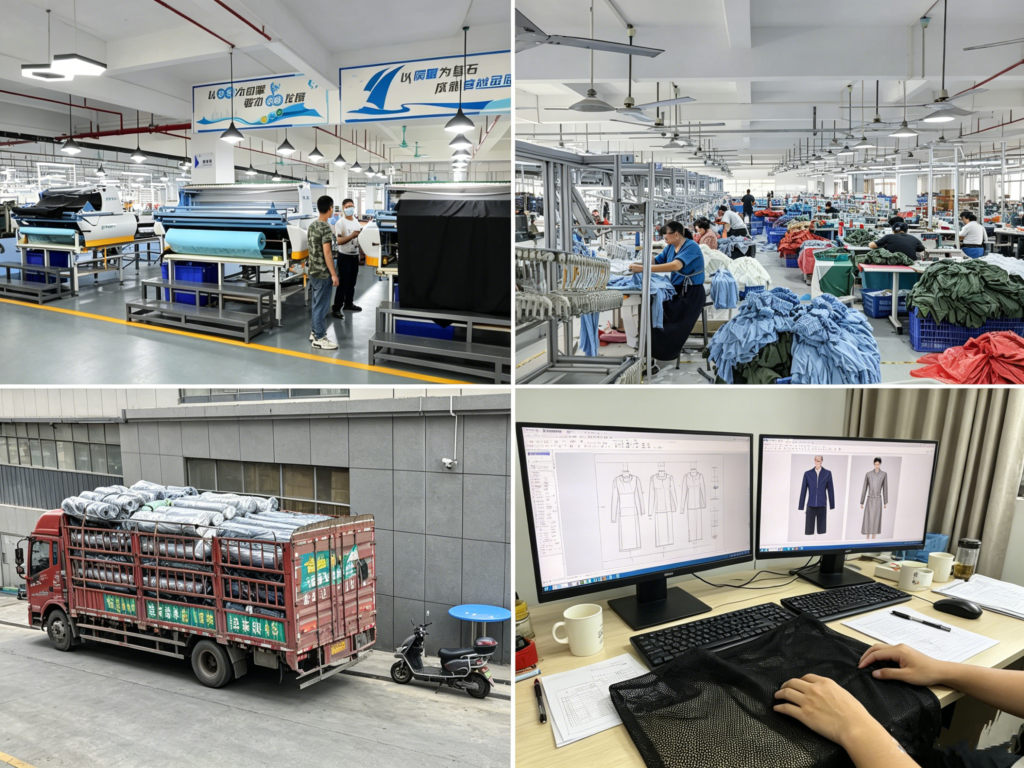
If you have any questions or require a quote, please leave
us a message. Our experts will get back to you within 24 hours to help you choose the ideal fashion products tailored to your needs.
Hi, I’m Lucy Cai, the founder of liantaoapparel.com. I’ve been managing a women’s clothing factory in China for over 16 years. With extensive experience in garment production and OEM services, I’m passionate about sharing insights into women’s fashion, apparel manufacturing, and global sourcing.
If you have any questions or need a quote, please contact us.
Please add us WhatsApp:+86 189 4809 3145
Provide us with detailed information about your requirements, supply design drawings or tech packs,
reference images, and share your ideas.
We will customize the best solution based on your needs and drawings, and provide a specific quote within 24 hours.
Once we receive your confirmation and deposit,we will commence mass production and take care of the subsequent shipping arrangements.


