


🏭 Looking for a Custom Apparel Manufacturer?
We are a leading OEM/ODM clothing factory with 20+ years of export experience. Custom styles, flexible MOQs, and retail-ready quality.
Sweatpants are known for their soft, cozy feel, making them a popular choice for lounging, workouts, travel, and casual wear. But what is the fabric that makes sweatpants so comfortable?
Sweatpant material is commonly referred to as fleece, French terry, cotton jersey, or a polyester blend. These names describe different fabric structures or fiber compositions, and each affects warmth, breathability, softness, durability, and stretch.
Understanding these differences can help you choose the right sweatpants for your lifestyle or develop a better product for your apparel brand. Let’s explore the most common sweatpant fabrics, how they compare, and what to consider when selecting materials.

Sweatpants are made from a range of knitted fabrics and fiber blends. The best option depends on the intended use, climate, desired fit, and performance requirements.
The most common choices include fleece, French terry, cotton jersey, and cotton-polyester or other synthetic blends. Each offers a different balance of softness, insulation, moisture management, and durability.
The fabric name alone does not determine product quality. Fiber content, yarn quality, knit construction, fabric weight, finishing, and garment construction all affect how sweatpants perform.

Fleece is one of the most popular fabric choices for sweatpants because it combines a soft hand feel with insulation.
In sweatpants, fleece usually refers to a knitted fabric with a brushed or raised inner surface. The brushing process creates a fuzzy texture that helps trap air and improves perceived warmth. Fleece can be cotton-rich, polyester-based, or made from a blend, so it is important to check the actual fiber composition.
If warmth and softness are your priorities, fleece is a strong option. However, heavier fleece may feel too warm during intense exercise or in hot climates.
French terry is another widely used sweatpant fabric, but it differs from fleece in its surface construction and typical warmth.
French terry has a smooth face and looped yarns on the reverse. Unlike brushed fleece, the inside usually retains visible loops rather than a fuzzy surface. This structure can provide a lighter, less plush feel while remaining comfortable for everyday use.
| Feature | Fleece | French Terry |
|---|---|---|
| Surface Feel | Often plush and brushed inside | Smooth outside with looped inside |
| Softness | Usually very soft and cozy | Soft with a more textured interior |
| Breathability | Varies; brushed heavyweight versions may feel warmer | Often more breathable at comparable weights |
| Warmth | Moderate to high, depending on weight and brushing | Usually moderate, depending on weight |
| Fabric Weight | Lightweight to heavyweight | Lightweight to heavyweight |
| Best For | Cold weather, lounging, cozy sets | Everyday wear, athleisure, transitional weather |
If you want a warmer, plush feel, brushed fleece is often the better starting point. If you prefer a less bulky fabric for everyday wear, French terry may be more suitable.
Neither fabric is automatically superior. The right choice depends on fabric weight, fiber content, climate, garment fit, and intended use.
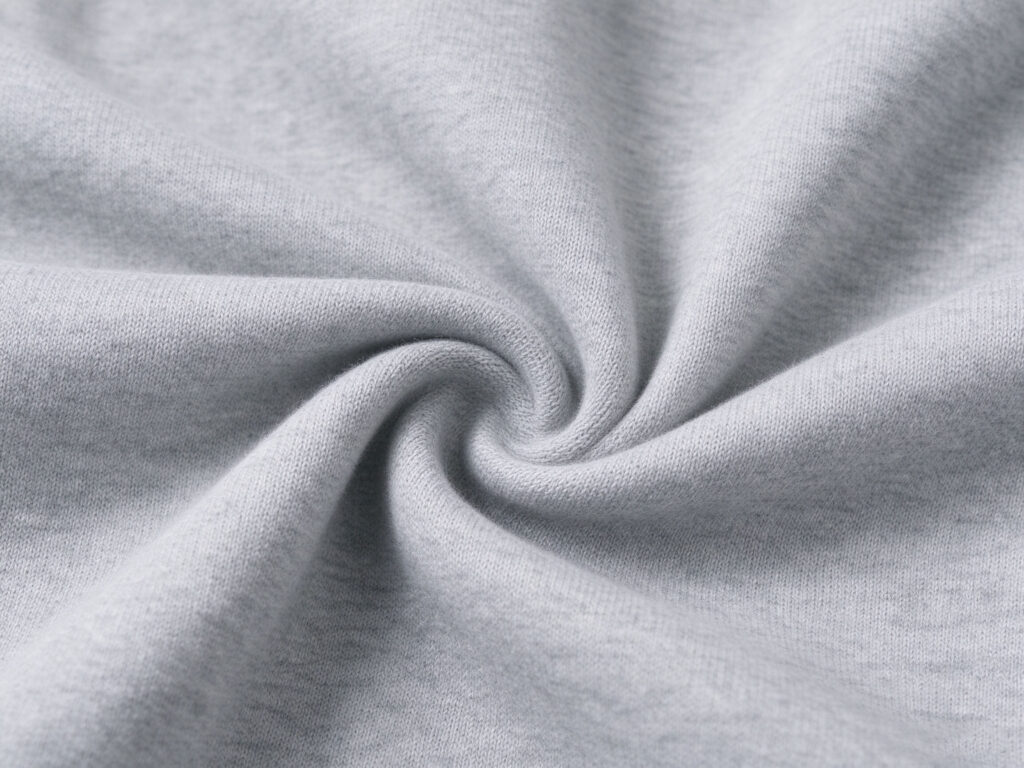
Cotton is a popular fiber for sweatpants, but not all sweatpants are made from 100% cotton.
Many products use cotton-polyester blends, while performance styles may contain higher proportions of polyester or a small amount of elastane. These combinations can help manufacturers balance softness, durability, stretch, and garment shape retention.
If you prefer a natural-fiber feel, 100% cotton may be a good option. If you need a balance of softness, easy care, and dimensional stability, a cotton-polyester blend may be worth considering.
Remember that cotton is a fiber, while fleece and French terry describe fabric constructions. A fleece fabric, for example, may contain cotton, polyester, or both.
Jersey fabric is commonly used for lightweight sweatpants and joggers. It is a knitted construction known for its comfortable feel and flexible drape.
Cotton jersey is often associated with T-shirts, while polyester jersey and blended versions are widely used in activewear. The specific fiber content and fabric weight determine how well a jersey fabric performs in sweatpants.
Jersey is a good choice when lightweight comfort is the priority. For cold weather or a structured, premium sweatpant silhouette, heavier French terry or fleece may be more appropriate.
Polyester and cotton each have advantages, and neither is universally better.
Cotton is valued for its soft hand feel and moisture absorption. Polyester is often selected for durability, faster drying, and moisture-management applications. The final result depends on the yarn, fabric structure, finishing, and garment design.
| Feature | Cotton Sweatpants | Polyester Sweatpants |
|---|---|---|
| Softness | Naturally soft, depending on yarn and finish | Varies by fiber quality and fabric finish |
| Breathability | Often comfortable for everyday wear | Depends on fabric structure and finishing |
| Moisture Behavior | Absorbs moisture and can feel damp when saturated | Generally absorbs less moisture and can dry more quickly |
| Durability | Depends on yarn quality and construction | Often offers good abrasion resistance, depending on construction |
| Shrinkage | Can shrink if not properly finished or cared for | Generally dimensionally stable under appropriate care |
| Common Uses | Casualwear, loungewear, cotton-rich fleece | Performance wear, travelwear, easy-care products |
If softness and a natural-fiber feel are the priority, cotton may be a strong choice. If faster drying, easy care, or performance-oriented use matters more, polyester or a suitable blend may be preferable.
For many brands, a cotton-polyester blend provides a practical middle ground. The best composition should be selected based on the product’s target price, expected use, durability requirements, and desired hand feel.
The best sweatpant material depends on where and how the garment will be worn. A fabric that works well for relaxing at home may not provide the moisture management or lightweight comfort needed for a demanding workout.
| Activity | Recommended Fabric | Why It Works |
|---|---|---|
| Lounging | Cotton-rich fleece or soft cotton blends | Offers a comfortable hand feel and options for extra warmth |
| Exercise | Polyester blends or lightweight French terry | Can support movement and moisture management when properly engineered |
| Cold Weather | Brushed heavyweight fleece or thermal fabrics | Provides greater insulation and a cozy feel |
| Casual Wear | Cotton jersey, French terry, or cotton-polyester blends | Offers versatile comfort for daily activities |
Choosing the right fabric improves comfort and usability, but the garment’s fit and construction matter too. Waistband stability, pocket placement, seam durability, and leg shape all contribute to the final wearing experience.
For intensive exercise, consider lightweight fabrics designed for sweat management rather than assuming that thicker sweatpants provide better performance.
Several brands offer sweatpants made with different fabric weights, finishes, and fiber blends. Comparing their product positioning can help consumers and apparel businesses understand how materials influence comfort and price.
| Brand / Product Example | Material or Fabric Positioning | Best Known For |
|---|---|---|
| Nike Tech Fleece | Technical fleece constructions | Sport-inspired styling and lightweight warmth |
| Aritzia Cozy Fleece | Soft, fleece-based fabrics | Cozy loungewear and relaxed silhouettes |
| Lululemon City Sweat Jogger | Performance-oriented fabric blends, varying by product | Everyday comfort and athletic-inspired design |
| Champion Powerblend | Cotton-polyester blend constructions | Classic athletic styling and everyday durability |
| Fear of God Essentials | Often associated with heavyweight or premium-feel fleece styles | Relaxed silhouettes and contemporary streetwear |
Specific fabric compositions can vary by product and season, so check the current garment specifications before making a purchase or using a product as a sourcing benchmark.
A recognizable brand name does not automatically guarantee superior fabric quality. For a more reliable comparison, examine fiber composition, fabric weight, pilling resistance, seam construction, shrinkage performance, and care requirements.
For apparel businesses, these characteristics also help establish a clear product position, from affordable basics to premium heavyweight sweatpants.
Sustainability is becoming an increasingly important consideration in apparel development. Sweatpants can incorporate organic cotton, recycled polyester, and other materials selected to meet a brand’s environmental goals.
However, a material should not be described as sustainable based on its name alone. Fiber sourcing, dyeing, finishing, durability, manufacturing processes, and product lifespan all affect the overall environmental impact.
For brands developing more responsible sweatpants, the most useful approach is to define specific goals, such as certified fiber sourcing, recycled content, improved durability, reduced waste, or more efficient production.
Choosing materials with clear specifications and traceable documentation is more meaningful than relying on broad environmental claims.
Sweatpant material is commonly described as fleece, French terry, cotton jersey, or a polyester blend. These terms refer to different fabric structures and fiber compositions, each offering its own balance of warmth, softness, breathability, durability, and moisture management. For warm and cozy sweatpants, brushed fleece is often a strong option. French terry offers versatile everyday comfort, cotton jersey suits lightweight styles, and polyester blends can support performance or easy-care requirements.
The right fabric depends on the garment’s intended use, climate, target consumer, price point, and quality expectations. Fabric weight, yarn quality, finishing, and garment construction are just as important as the material name.At Liantao, sweatpants development can be tailored to different product goals, including fabric sourcing, weight and composition selection, sample development, fit adjustment, and bulk production. Whether a brand needs heavyweight fleece sweatpants, French terry joggers, lightweight jersey pants, or performance-oriented blends, material selection should begin with a clear product specification.
By matching the fabric to the intended use and validating its performance before bulk production, brands can create sweatpants that deliver the right combination of comfort, durability, appearance, and value.
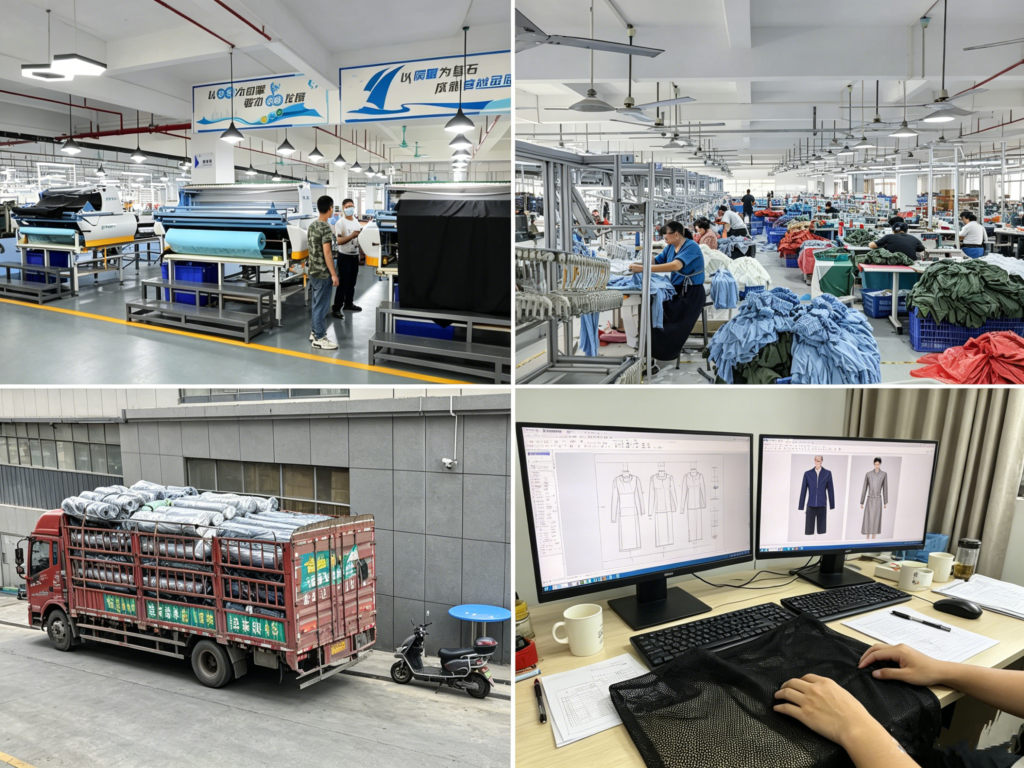
If you have any questions or require a quote, please leave
us a message. Our experts will get back to you within 24 hours to help you choose the ideal fashion products tailored to your needs.
Hi, I’m Lucy Cai, the founder of liantaoapparel.com. I’ve been managing a women’s clothing factory in China for over 16 years. With extensive experience in garment production and OEM services, I’m passionate about sharing insights into women’s fashion, apparel manufacturing, and global sourcing.
If you have any questions or need a quote, please contact us.
Please add us WhatsApp:+86 189 4809 3145
Provide us with detailed information about your requirements, supply design drawings or tech packs,
reference images, and share your ideas.
We will customize the best solution based on your needs and drawings, and provide a specific quote within 24 hours.
Once we receive your confirmation and deposit,we will commence mass production and take care of the subsequent shipping arrangements.


