


🏭 Looking for a Custom Apparel Manufacturer?
We are a leading OEM/ODM clothing factory with 20+ years of export experience. Custom styles, flexible MOQs, and retail-ready quality.
Jacquard fabric is a woven textile known for its intricate patterns, dimensional texture, and design versatility. Unlike printed fabrics, its patterns are created during weaving, making it a popular choice for apparel, accessories, upholstery, and decorative textiles.
But appearance alone does not determine whether a Jacquard fabric is suitable for a product. Fiber composition, fabric weight, pattern complexity, abrasion resistance, colorfastness, and production consistency all influence its performance and cost.
This guide explains what Jacquard fabric is, how it is made, which types are available, how much it may cost, and how to assess its quality before placing a bulk order. It also introduces a practical testing framework that apparel brands and sourcing teams can use to compare samples before production.
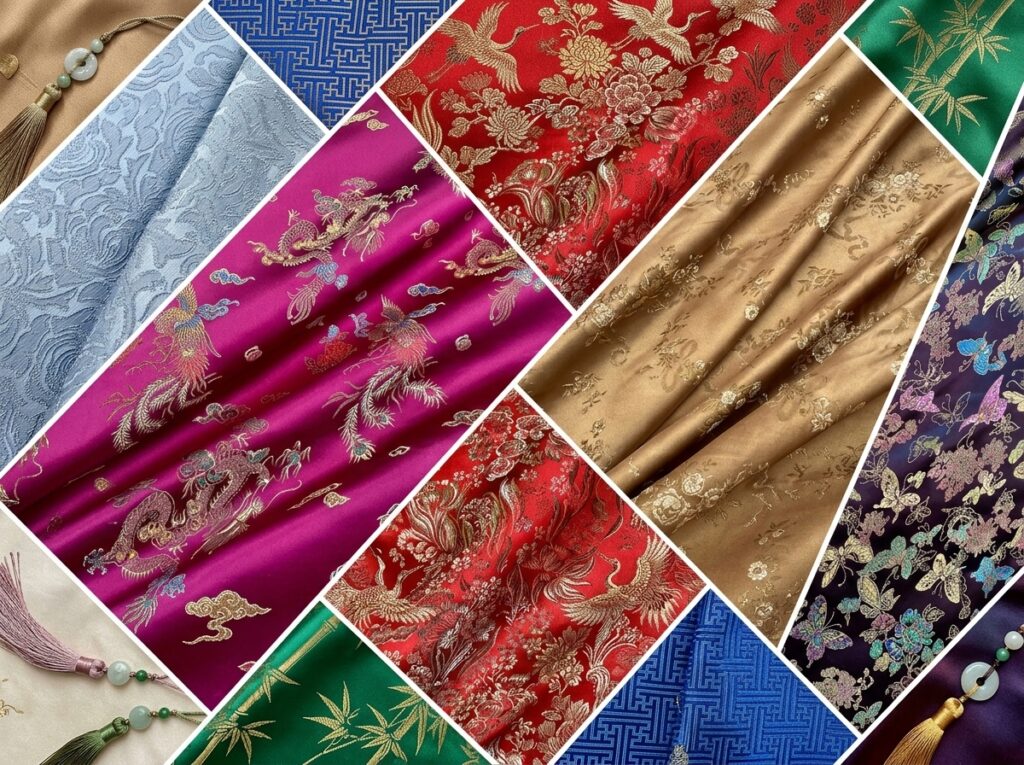
Jacquard fabric is a woven textile in which intricate patterns are formed directly through the arrangement of warp and weft yarns. A Jacquard mechanism controls individual warp threads or groups of threads, allowing manufacturers to produce detailed floral, geometric, abstract, and pictorial designs.
The fabric can be made from silk, cotton, wool, polyester, viscose, or fiber blends. Its final appearance, hand feel, weight, drape, and durability depend on the yarns, weave structure, density, and finishing treatments selected.
For apparel brands, Jacquard is not a single fiber or a single fabric weight. It is a weaving approach that can create many different textile constructions.
The Jacquard mechanism is associated with Joseph Marie Jacquard, whose early nineteenth-century invention helped automate the control of complex weaving patterns. The system developed from earlier punched-card technologies and made intricate patterned weaving more efficient and repeatable.
Modern Jacquard looms use electronic controls to manage complex designs. Depending on the machine and construction, manufacturers can create detailed motifs while controlling pattern repeats, color placement, and fabric structure.
The result is a textile process that combines technical precision with design flexibility.
Historically, elaborate woven patterns were associated with expensive textiles and specialized craftsmanship. As weaving technology developed, patterned fabrics became available for a wider range of fashion and interior applications.
Today, Jacquard appears in tailored jackets, dresses, skirts, bags, decorative cushions, curtains, upholstery, and other products where texture and pattern are important design features.
Its value lies in the ability to integrate decoration into the fabric structure rather than relying exclusively on a surface print.
Modern Jacquard production combines digital pattern development, automated weaving, fiber selection, and finishing processes. This allows manufacturers to develop textiles for different price points and product requirements.
At Liantao, Jacquard sourcing and development should begin with the intended end use. A lightweight fashion fabric, a structured jacket textile, and a heavy upholstery fabric require different specifications and quality checks.
Before choosing a fabric, buyers should confirm fiber content, finished width, weight, color options, pattern repeat, minimum order quantity, lead time, and the availability of sample yardage. These details help ensure that the selected material meets both design and production requirements.
Jacquard fabric stands out because its pattern is created through weaving. However, its performance varies according to construction, fiber type, yarn quality, and finishing. A woven pattern does not automatically guarantee superior durability or colorfastness.
Jacquard is particularly useful when the design requires woven texture, structural patterning, or a premium visual effect. The right construction should be selected according to the garment or product, not appearance alone.
Jacquard fabric is produced by controlling warp threads during weaving to create a planned pattern. The design file, yarn selection, loom settings, and finishing specifications all affect the finished textile.
The exact process varies by fiber, weave structure, and mill. Not every Jacquard fabric undergoes the same dyeing or finishing sequence.
For international sourcing, buyers should compare fabric specifications and verified sample results across suppliers. Country of origin is useful context, but it is not a substitute for quality control.
Jacquard technology can produce many types of patterned textiles. The following categories differ in appearance, construction, weight, and common applications.
Brocade is a decorative fabric recognized for ornate patterns that may appear raised or richly textured. Some constructions use supplementary yarns or contrasting colors to create an elaborate effect.
Brocade is often used for formalwear, occasion dresses, statement jackets, and decorative upholstery. Because some versions are heavy or relatively stiff, designers should check drape, seam behavior, and comfort before selecting it for fitted garments.
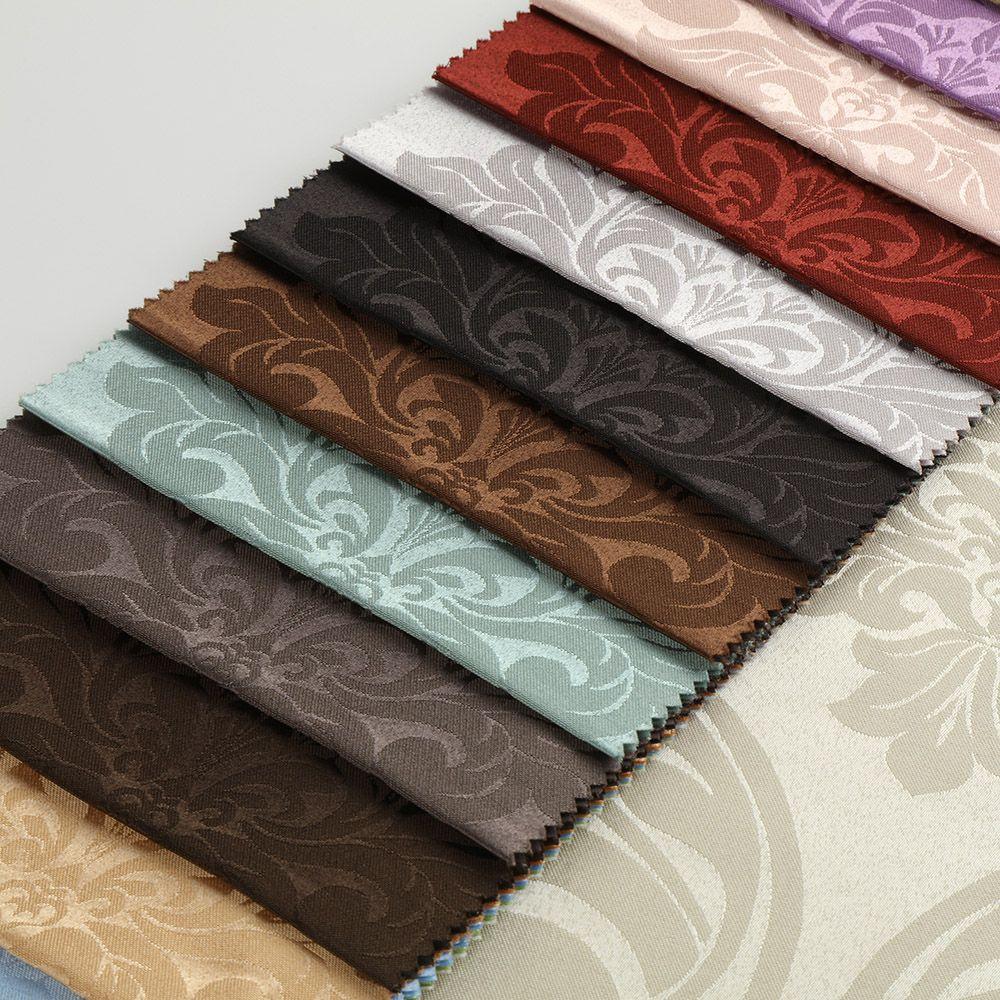
Damask typically uses contrasting weave effects to create a pattern that can appear different under changing light. Traditional designs often feature floral or geometric motifs, sometimes with a reversible construction.
Common applications include table linens, curtains, bedding, jackets, and decorative garments. Buyers should assess both sides of the fabric, pattern clarity, and how the textile behaves after cleaning.
Matelassé has a quilted or cushioned appearance created through its woven structure. The visual effect can resemble padding even when separate batting is not used.
It is suitable for textured jackets, decorative pillows, bedspreads, and other products where a dimensional surface is desirable. Its bulk and drape should be evaluated against the garment pattern or finished-product specification.
Tapestry-style Jacquard fabric can feature dense, detailed motifs, including pictorial or landscape-inspired designs. Its construction is often more substantial than that of lightweight apparel Jacquards, although weight varies by product.
Common uses include upholstery, decorative panels, handbags, and statement accessories. Buyers should assess abrasion resistance, seam strength, and flexibility for the intended application.
Each category offers different design possibilities. For apparel production, request a physical swatch and assess how the fabric looks, feels, drapes, and performs under the conditions expected in use.
Jacquard fabric is used in fashion, home décor, and accessories because it combines patterned design with a woven structure. The best construction depends on whether the priority is drape, structure, comfort, durability, or decorative impact.
Jacquard is used for dresses, blazers, skirts, suits, coats, and statement garments. Its woven motifs can create visual interest without relying solely on printed decoration.
For clothing, evaluate weight, thickness, stretch, lining requirements, seam bulk, and comfort against the skin. A fabric that looks impressive on a swatch may behave differently when cut into a fitted garment.
In home décor, Jacquard can be used for upholstery, drapes, cushion covers, bedding, and table textiles. Pattern scale and surface texture help determine the visual effect, while abrasion resistance, light exposure, and cleaning requirements influence suitability.
For upholstery or other high-contact applications, ask for performance data relevant to the product rather than assuming all Jacquard fabrics have the same durability.
Jacquard fabrics can be used for scarves, handbags, footwear components, and other accessories. Woven motifs and textured surfaces can give products a distinctive appearance.
For bags and footwear, check thickness, flexibility, fraying behavior, abrasion resistance, and compatibility with linings or reinforcement materials. The ideal construction may differ considerably from one intended for a lightweight blouse.
The versatility of Jacquard makes it useful across several industries, but application-specific testing is essential for reliable product development.
Jacquard fabric prices vary with fiber content, yarn quality, weight, weave complexity, finishing, order quantity, and production location. A single price range cannot accurately represent every construction.
For bulk sourcing, quotations should be compared on a like-for-like basis. Confirm the currency, unit of measurement, finished width, fiber composition, weight, order quantity, finishing requirements, shipping terms, and whether sampling or development charges are included.
Retail and wholesale prices can differ substantially. The following table summarizes relative cost tendencies rather than guaranteed market prices.
| Fabric type | General cost tendency | Common cost drivers |
|---|---|---|
| Silk Jacquard | Usually high | Silk yarn quality, intricate patterns, finishing, and limited production runs |
| Cotton Jacquard | Low to high, depending on specification | Cotton quality, fabric weight, weave density, dyeing, and order volume |
| Synthetic Jacquard | Often available at lower to mid-range prices | Polyester or other synthetic yarns, pattern complexity, finishing, and quantity |
For a valid U.S. price comparison, request current quotations from suppliers using the same fabric specification and order quantity. A price per yard is meaningful only when the fabric width and quality requirements are comparable.
China offers a wide range of Jacquard fabrics, from cost-oriented synthetic constructions to specialized natural-fiber and complex-pattern textiles. The country alone does not determine the final price.
| Fabric type | Main pricing considerations | What buyers should confirm |
|---|---|---|
| Silk Jacquard | Silk grade, pattern complexity, dyeing, and order size | Fiber content, weight, usable width, and shade consistency |
| Cotton Jacquard | Yarn quality, density, finishing, and quantity | Cotton percentage, shrinkage, colorfastness, and hand feel |
| Synthetic Jacquard | Yarn type, construction, finishing, and production scale | Fiber composition, weight, abrasion performance, and color stability |
These comparisons are intended to guide quotation requests, not to replace live supplier prices. Obtain a current written quote before budgeting or comparing offers.
It is not reliable to claim that Jacquard fabric from one country is always a fixed percentage cheaper than fabric from another. Differences in fiber content, fabric weight, construction, finishing, order quantity, and delivery terms can make headline prices misleading.
To compare U.S. and Chinese sourcing options, request quotations for the same specification and calculate the landed cost, including freight, duties where applicable, inspection, sampling, and any required testing. This provides a more useful basis for purchasing decisions than a broad country-level price estimate.
Jacquard is a weaving method rather than a fiber category, so its environmental impact depends on the materials used, energy and water consumption, dyeing and finishing, product lifespan, and end-of-life options.
Neither a natural-fiber composition nor a woven pattern automatically makes a textile sustainable. Environmental claims should be supported by information about the specific product and its supply chain.
For sustainability-related marketing, use claims that can be supported by product-specific evidence. Broad terms such as “eco-friendly” should not replace measurable information or verified documentation.
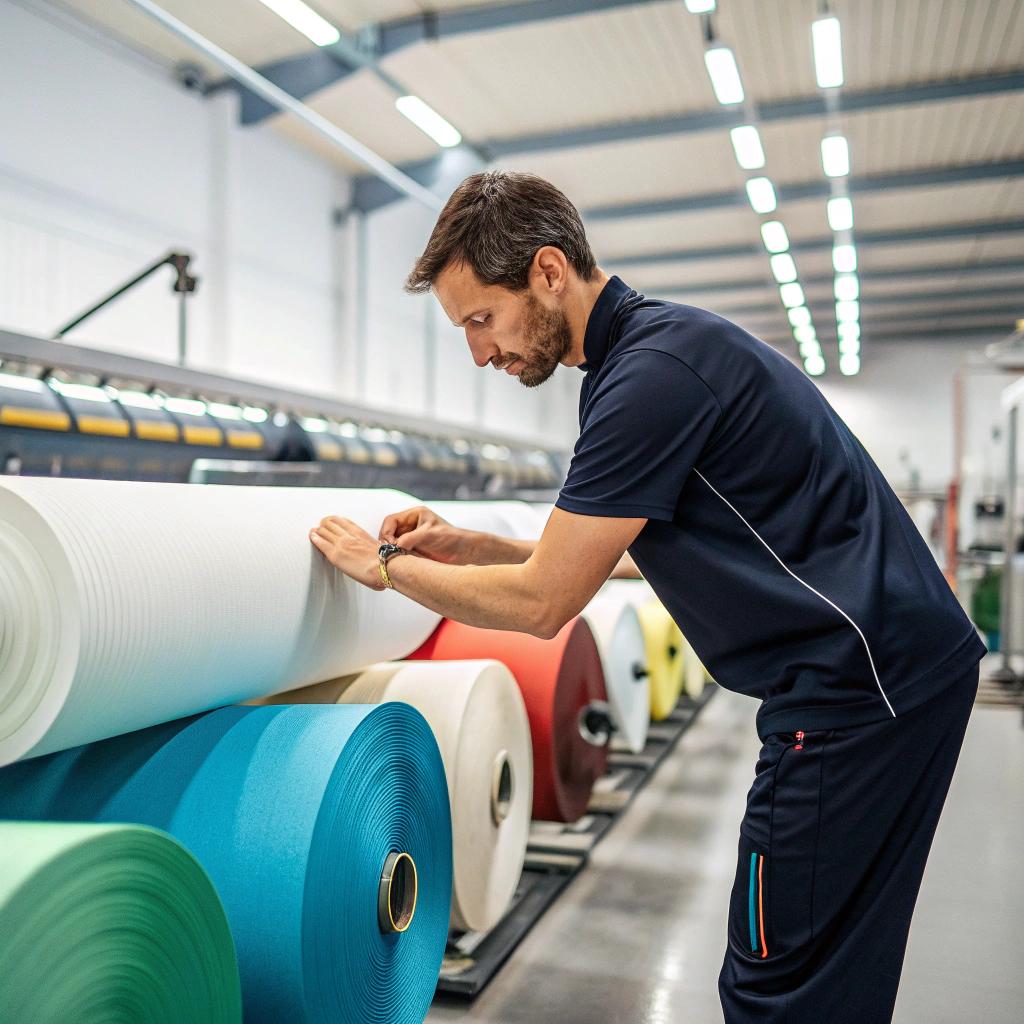
A fabric’s appearance is only one part of quality. Apparel brands should evaluate construction, physical performance, color consistency, dimensional stability, and compliance with the requirements of the final product.
At Liantao, quality claims should be based on the specification, sample approval, production inspection, and applicable test records for the actual fabric being supplied. The following framework can help buyers and manufacturers structure the evaluation.
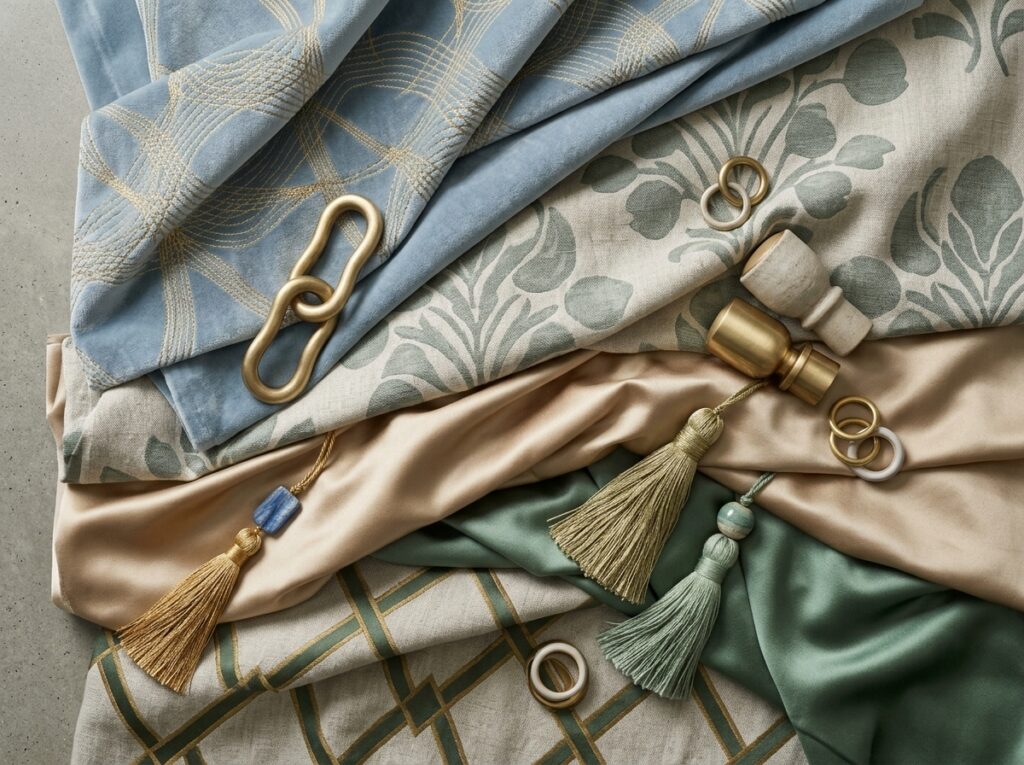
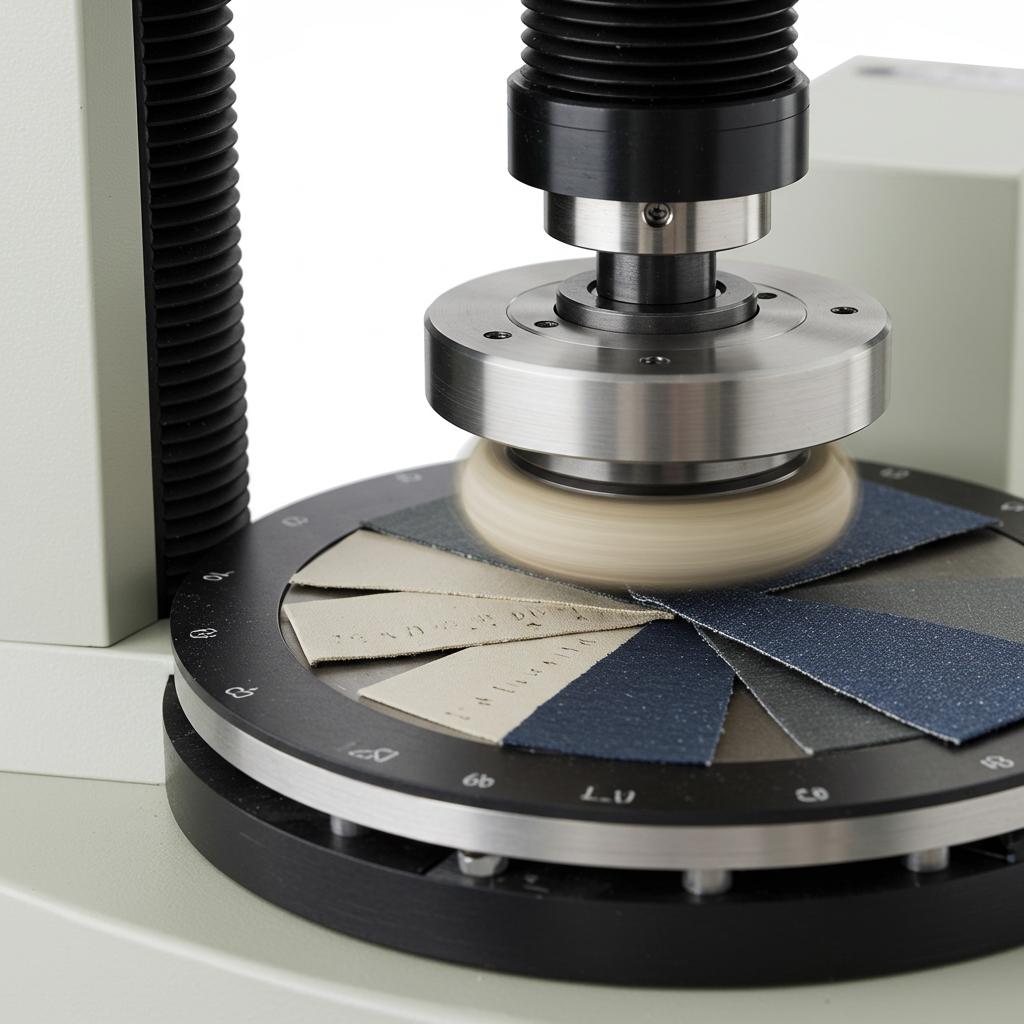
The following is a proposed testing protocol, not a report of completed Liantao laboratory tests. Use it to compare candidate fabrics under consistent conditions.
| Test | What to measure | Why it matters |
|---|---|---|
| Fabric weight and width | Mass per unit area and finished usable width | Confirms consistency with the purchasing specification |
| Abrasion resistance | Wear or damage after a defined test procedure | Helps assess suitability for high-friction applications |
| Colorfastness | Color change and staining under relevant conditions | Helps evaluate washing, rubbing, or light exposure risks |
| Dimensional stability | Percentage change in length and width after care | Identifies shrinkage and distortion risks |
| Pattern consistency | Repeat dimensions, alignment, and visible defects | Helps maintain appearance across panels and production lots |
| Pilling or snagging, where relevant | Surface change under an appropriate test | Useful for fabrics likely to encounter friction or catching |
Recommended procedure
The example below illustrates how a sourcing team could record results. All values are placeholders, not actual measurements. Replace them with data from identified samples before publication or purchasing decisions.
| Sample ID | Weight (g/m²) | Width (cm) | Dimensional change (%) | Abrasion result | Status |
|---|---|---|---|---|---|
| Sample A | To test | To test | To test | To test | Pending |
| Sample B | To test | To test | To test | To test | Pending |
| Sample C | To test | To test | To test | To test | Pending |
The acceptance range should be agreed for each product. For example, a lightweight blouse and a sofa upholstery textile should not be assessed against the same weight, drape, or abrasion requirements.
Suggested chart for a real test report: Plot dimensional change for each sample after the same specified care procedure. Add the agreed acceptance range and label the test method, number of specimens, and units. Do not publish a chart of measured results until the underlying records are available.
A reliable quality process combines clear specifications, sample approval, appropriate testing, traceable records, and inspection of bulk production. Certification can support this process, but it does not replace product-specific verification.
For more information about fabric options, specifications, or custom textile sourcing, contact Liantao to discuss your intended application and quality requirements.
For more information about our fabrics or to explore our product catalog, please contact us.
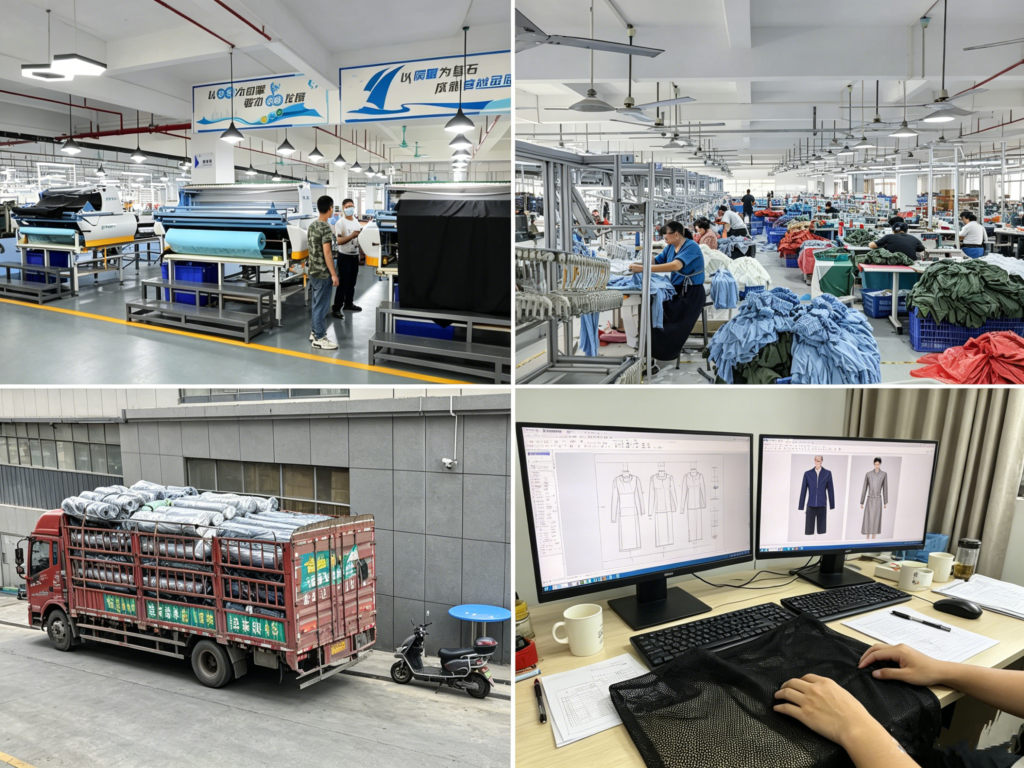
If you have any questions or require a quote, please leave
us a message. Our experts will get back to you within 24 hours to help you choose the ideal fashion products tailored to your needs.
Hi, I’m Lucy Cai, the founder of liantaoapparel.com. I’ve been managing a women’s clothing factory in China for over 16 years. With extensive experience in garment production and OEM services, I’m passionate about sharing insights into women’s fashion, apparel manufacturing, and global sourcing.
If you have any questions or need a quote, please contact us.
Please add us WhatsApp:+86 189 4809 3145
Provide us with detailed information about your requirements, supply design drawings or tech packs,
reference images, and share your ideas.
We will customize the best solution based on your needs and drawings, and provide a specific quote within 24 hours.
Once we receive your confirmation and deposit,we will commence mass production and take care of the subsequent shipping arrangements.


