


🏭 Looking for a Custom Apparel Manufacturer?
We are a leading OEM/ODM clothing factory with 20+ years of export experience. Custom styles, flexible MOQs, and retail-ready quality.
Is polyamide fabric breathable enough for everyday clothing, sportswear, and hot-weather activities? The answer depends on more than the fiber itself. Fabric construction, thickness, finishing treatments, and garment design all influence how air and moisture move through a garment.
Polyamide, commonly known as nylon in apparel applications, is valued for its strength, smooth feel, abrasion resistance, and flexibility. However, these qualities do not automatically mean every polyamide fabric offers excellent breathability.
In this guide, we explain what affects polyamide fabric breathability, compare polyamide with polyester, and outline a practical test protocol for evaluating airflow and moisture management. For brands sourcing performance materials, the goal is to select fabric based on measurable performance rather than fiber names alone.
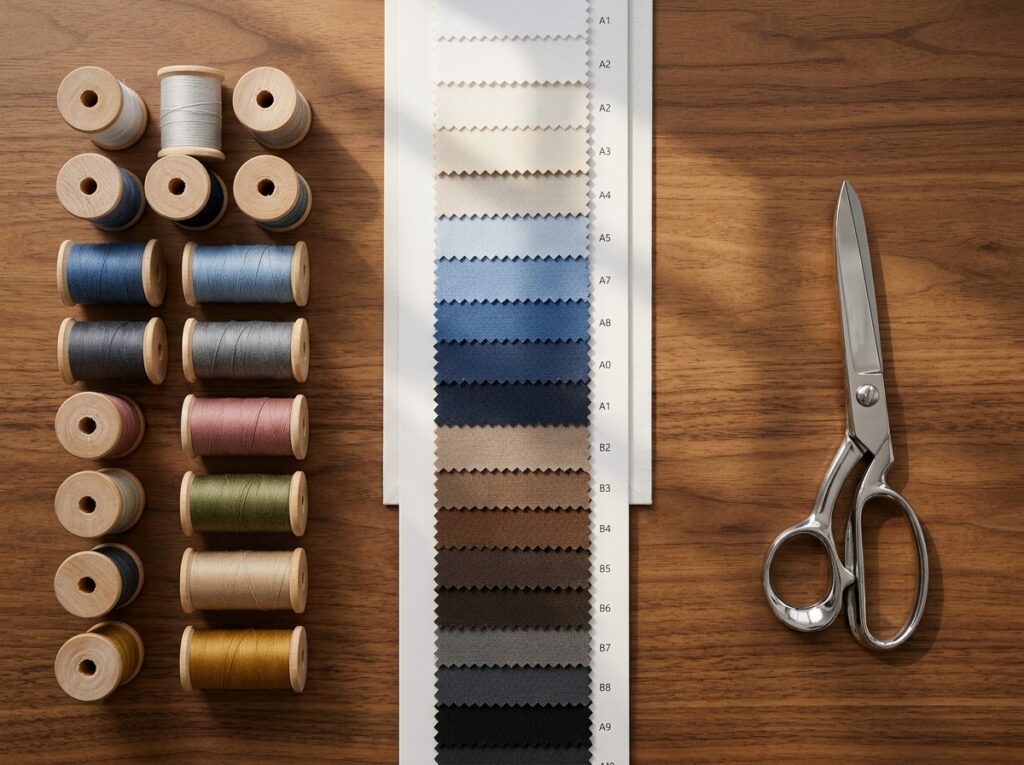
Polyamide is widely used in apparel because it combines durability, flexibility, and a relatively lightweight feel. It is especially useful for garments that need to withstand repeated movement and friction, including leggings, sports bras, swimwear, and outdoor clothing.
Whether it is a good fabric depends on the intended application. A lightweight knitted polyamide fabric may feel comfortable during exercise, while a dense or coated construction made from the same fiber may allow less air to pass through.
Polyamide offers several performance advantages, but its properties should be evaluated at the fabric level rather than inferred from fiber composition alone.
| Property | Description | What It Means for Garment Buyers |
|---|---|---|
| Durability | Generally offers good abrasion resistance and strength. | Useful for activewear exposed to frequent friction and repeated wear. |
| Lightweight | Can be manufactured into lightweight yarns and fabric constructions. | Helps create garments that feel less bulky during movement. |
| Moisture Management | Performance varies with fiber characteristics, fabric structure, and finishing. | Check actual drying and moisture-transfer performance instead of assuming all polyamide fabrics wick sweat equally. |
| Elasticity | Polyamide fabrics can be engineered for stretch, especially when blended with elastane. | Suitable for close-fitting garments that need freedom of movement. |
Polyamide is particularly suitable for sportswear and outdoor apparel when durability, a smooth hand feel, and flexibility are priorities. Mesh structures, lightweight knits, and suitable moisture-management finishes can improve comfort.
However, breathability and moisture wicking are not the same property. Breathability may refer to air passing through a fabric or water vapor moving through it, while moisture wicking describes how liquid sweat spreads across a material. A fabric can perform well in one area without leading in the other.
For apparel brands, Liantao recommends assessing the complete fabric construction—including yarn, knit or weave, weight, finishes, and lining—before choosing a material for production.
Polyamide and polyester are both common synthetic fibers used in performance clothing. They can deliver durable, lightweight fabrics, but their feel, moisture behavior, cost, and performance vary according to the specific construction and finish.
Polyamide is often selected for its smooth feel and abrasion resistance, while polyester is widely used in sportswear because it is versatile and available in many performance constructions. Neither fiber is automatically more breathable in every application.
| Feature | Polyamide | Polyester |
|---|---|---|
| Softness | Often has a smooth, soft hand feel, depending on yarn and finishing. | Can range from smooth and soft to crisp or textured. |
| Durability | Often offers strong abrasion resistance. | Generally durable, with performance depending on fabric construction. |
| Moisture Behavior | Moisture absorption and drying behavior depend on fiber type and fabric design. | Often used in quick-drying performance fabrics; results depend on construction and finish. |
| Elasticity | Stretch performance depends on the knit or weave and whether elastane is added. | Can also be engineered for stretch, especially in blended fabrics. |
| Cost | May cost more in some comparable apparel constructions. | Often available across a broad range of price points. |
| Breathability | Depends on fabric density, thickness, openings, and finishes. | Also depends on fabric density, thickness, openings, and finishes. |
Choose polyamide when the garment requires a smooth feel, flexibility, and good resistance to abrasion. Polyester may be preferable when cost, broad sourcing availability, or a particular moisture-management construction is the priority.
For leggings or sports bras, both fibers can work well when paired with an appropriate stretch structure. For running tops and training shirts, compare air permeability, garment weight, moisture management, and drying behavior using comparable fabric samples.
Elasticity helps a garment move with the body and return toward its original dimensions after stretching. This is especially important for yoga wear, leggings, sports bras, and fitted performance garments.
However, fiber elasticity alone does not determine garment recovery. Fabric construction, elastane content, yarn properties, finishing, and repeated washing can all affect how well a garment retains its shape. If stretch recovery is critical, include it as a separate evaluation in your fabric testing process.
Polyamide is a family of synthetic polymers used to produce fibers. Nylon is the best-known polyamide family used in apparel. These fibers can be engineered into different yarns and fabric structures to meet specific requirements for strength, flexibility, texture, and weight.
Understanding the material helps buyers evaluate why two fabrics labeled “polyamide” can feel and perform very differently.
Nylon was introduced commercially in the 1930s and became widely used in textiles because of its strength and versatility. Polyamide fibers are produced through polymerization and subsequent fiber-forming processes. The resulting yarn can then be knitted, woven, textured, or combined with other fibers.
The final fabric’s performance depends not only on the polymer but also on yarn design, fabric construction, and finishing treatments.
Natural fibers such as cotton and wool have different moisture and thermal properties from synthetic fibers. Cotton can absorb substantial liquid moisture, while wool has distinctive moisture-buffering and insulation characteristics. Polyamide is often chosen for its strength and abrasion resistance.
It is inaccurate to assume that every natural fiber is more breathable than every synthetic fabric. Air permeability is strongly influenced by construction, and moisture comfort depends on several interacting factors. Compare the finished fabrics rather than relying solely on whether a fiber is natural or synthetic.
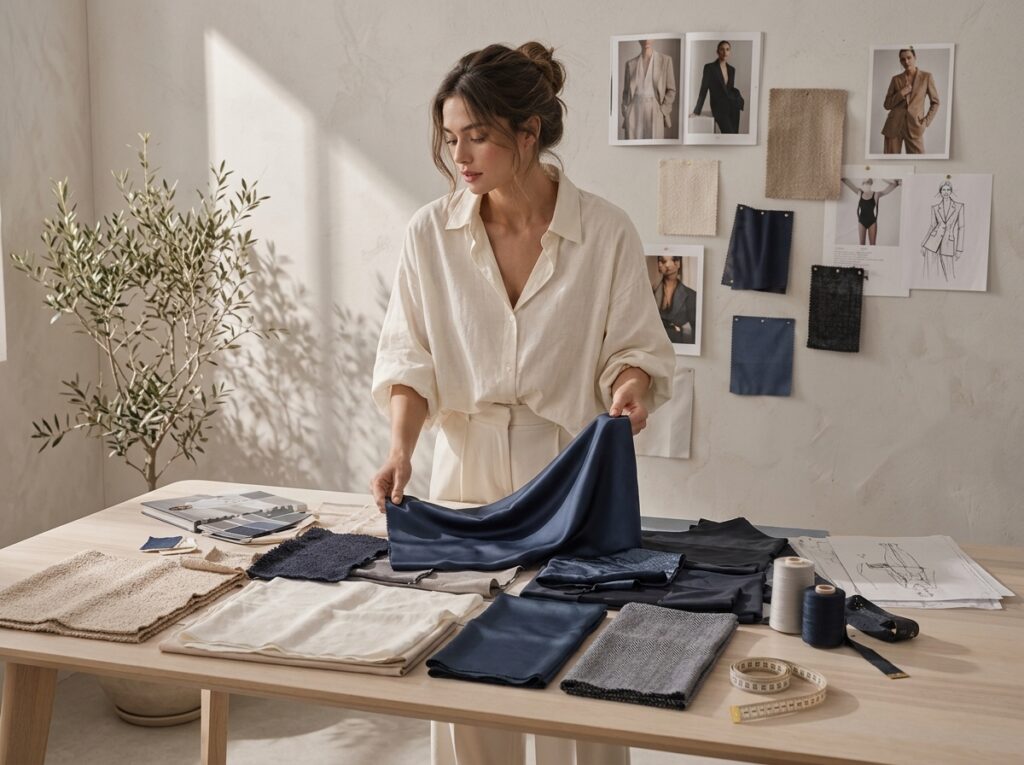
Polyamide is used across apparel, industrial textiles, and home furnishings. Common applications include:
Conventional polyamide is commonly made from fossil-based feedstocks, and its environmental footprint depends on raw materials, energy use, manufacturing, product lifespan, and end-of-life treatment.
Recycled polyamide can use recovered feedstocks, including selected post-consumer or industrial waste streams. However, recycled content does not automatically mean that a fabric has a lower impact in every category. Buyers should request documentation on recycled content, traceability, certifications, and relevant environmental assessments.
| Feature | Conventional Polyamide | Recycled Polyamide |
|---|---|---|
| Raw Materials | Typically made from virgin petrochemical feedstocks. | Made from eligible recovered feedstocks, depending on the recycling process. |
| Energy Consumption | Depends on the polymer and manufacturing process. | Also depends on collection, sorting, processing, and manufacturing; comparative data is needed to quantify savings. |
| Environmental Impact | Includes impacts from raw material extraction, production, use, and disposal. | May reduce demand for virgin feedstocks, but total impacts depend on the source material and production pathway. |
| Verification | Supplier specifications and relevant product documentation. | Recycled-content documentation and traceability are important for substantiating claims. |
Breathability influences thermal and moisture comfort, particularly during exercise or in warm environments. However, it is not a single universal measurement.
Air permeability measures how readily air passes through a fabric under specified test conditions. Water-vapor transmission and moisture-management tests examine different aspects of how moisture moves through or across a textile. These measurements are related to comfort but should not be treated as interchangeable.
ASTM D737 provides a standardized method for measuring textile air permeability. The standard also notes that fabric construction and finishing can substantially influence airflow. A test report should identify the method and conditions used so that results can be interpreted correctly.
Polyamide can be breathable when engineered into an open, lightweight construction. Dense knits, heavy fabrics, and certain coatings may reduce airflow, regardless of the fiber used.
Potential advantages:
Potential limitations:
| Factor | Impact on Polyamide |
|---|---|
| Weave or Knit Structure | Open structures can allow more airflow, while tighter structures often restrict it. |
| Fabric Weight and Thickness | Heavier or thicker fabrics may have lower air permeability, although construction remains important. |
| Fabric Treatments | Water-repellent, coating, or moisture-management treatments may change performance and should be assessed on the finished material. |
| Layering | Linings and multiple fabric layers can add airflow resistance and change the garment’s overall comfort. |
| Garment Design | Ventilation panels, fit, and openings affect heat and moisture release during wear. |
A useful test article should explain how results are obtained, not simply declare one fiber the winner. The following protocol is designed for apparel brands comparing polyamide with polyester or other candidate fabrics.
Objective: Compare the air permeability of finished fabric samples under consistent conditions.
Materials and equipment:
Procedure:
| Test Item | Polyamide Sample | Polyester Sample |
|---|---|---|
| Fabric construction | Record before testing | Record before testing |
| Fabric weight (g/m²) | Record before testing | Record before testing |
| Air-permeability method | ASTM D737 or specified method | Same method |
| Test pressure differential | Record actual setting | Same setting |
| Number of specimens | Record actual number | Same number where practicable |
| Mean air permeability | To be measured | To be measured |
| Variability or standard deviation | Calculate from readings | Calculate from readings |
| Test conclusion | Pending measured data | Pending measured data |
Important: This is a test record template, not a completed experiment. No measured values are supplied here, so no numerical winner or performance percentage can honestly be reported. For publication, add actual laboratory results and a chart plotting the mean air permeability of each tested fabric, with units, specimen count, and variability where available.
For a more complete comparison, test moisture-management behavior and drying time separately. Keep those results distinct from the air-permeability measurements instead of combining them into a single unsupported “breathability score.”
Polyamide can be an excellent activewear material when its construction matches the garment’s intended use. It is frequently considered for products that require flexibility, durability, a smooth hand feel, and a close fit.
The best choice depends on the activity, climate, fabric construction, and performance requirements. For a product-development team, a fabric specification and repeatable testing process are more reliable than a generic claim that polyamide is always breathable.
Polyamide fabrics are used in activewear because they can be engineered for a broad range of textures, weights, and stretch characteristics. Blending polyamide with elastane can improve stretch performance for fitted garments, although the final result depends on blend ratio and fabric construction.
When evaluating sportswear materials, consider:
| Clothing Item | Potential Benefit | What to Check |
|---|---|---|
| Leggings | Smooth feel, flexibility, and abrasion resistance. | Stretch recovery, opacity, pilling, and dimensional stability. |
| Sports Bras | Supportive fabric constructions and durability. | Stretch recovery, support, moisture comfort, and seam performance. |
| Running Shorts | Lightweight constructions and freedom of movement. | Air permeability, drying time, lining design, and comfort during motion. |
For brands developing custom activewear, Liantao recommends validating the finished fabric and garment together. A fabric that performs well as a flat swatch may behave differently after dyeing, finishing, lining, sewing, or repeated washing.
So, is polyamide fabric breathable? It can be, but breathability depends on the finished fabric—not just the fiber name. Lightweight, open constructions may permit good airflow, while dense or coated fabrics can restrict it. Polyester can also be engineered for high breathability, so neither material is the universal winner.
The most reliable approach is to define the garment’s performance requirements, compare equivalent samples, and measure air permeability using a consistent method. Assess moisture management, drying time, stretch recovery, and durability separately to build a more complete picture.
For apparel brands and product developers, this evidence-based process makes material selection more transparent and helps align fabric performance with the final product’s intended use. Liantao can use these specifications and test records as part of a structured fabric evaluation and custom apparel development workflow.
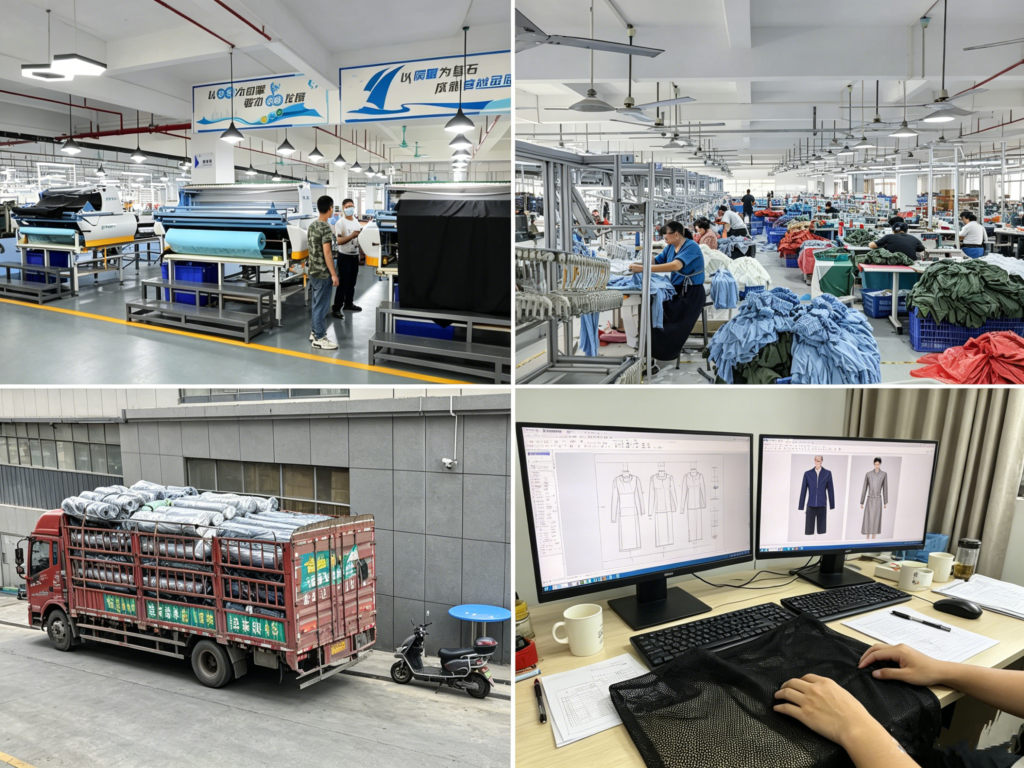
If you have any questions or require a quote, please leave
us a message. Our experts will get back to you within 24 hours to help you choose the ideal fashion products tailored to your needs.
Hi, I’m Lucy Cai, the founder of liantaoapparel.com. I’ve been managing a women’s clothing factory in China for over 16 years. With extensive experience in garment production and OEM services, I’m passionate about sharing insights into women’s fashion, apparel manufacturing, and global sourcing.
If you have any questions or need a quote, please contact us.
Please add us WhatsApp:+86 189 4809 3145
Provide us with detailed information about your requirements, supply design drawings or tech packs,
reference images, and share your ideas.
We will customize the best solution based on your needs and drawings, and provide a specific quote within 24 hours.
Once we receive your confirmation and deposit,we will commence mass production and take care of the subsequent shipping arrangements.


