In my 20 years of managing premium garment production lines, I’ve held millions of meters of textiles, but nothing behaves quite like Pure Mulberry Silk. To the world, silk is the ultimate status symbol of luxury, elegance, and second-skin comfort. But on the factory floor, we view silk through the lens of pure molecular engineering—it is a natural protein fiber that doesn’t just sit on your body; it actively regulates temperature, hypoallergenicly protects your skin, and scatters light at a microscopic level to produce that signature ‘liquid’ glow. As we move through 2026, the market is flooded with ‘silky’ polyester blends and low-grade fabrics designed to mimic this luxury aesthetic. Today, I’m pulling back the curtain on the textile supply chain to show you what real premium silk is, how to decipher Momme weights before you buy, and the industrial secrets to spotting authentic 6A craftsmanship from cheap imitations.
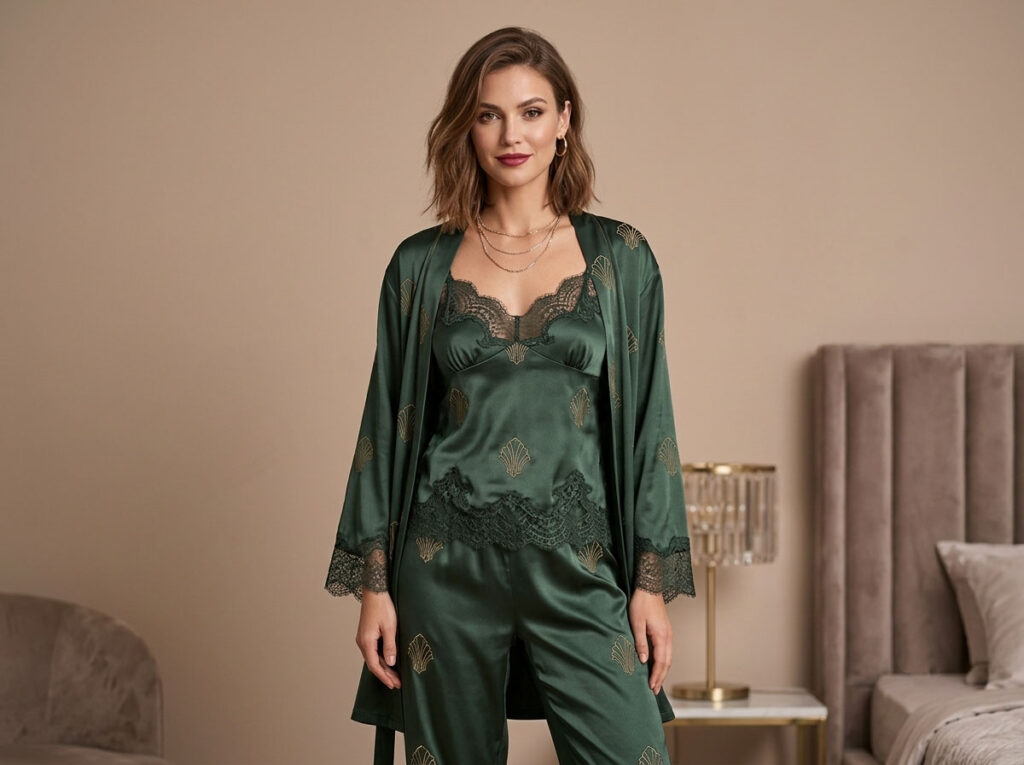
For centuries, silk has been a symbol of luxury and quality. From ancient royal garments to modern high-end fashion, its natural sheen, soft texture, and exceptional comfort have made it one of the most sought-after fabrics for apparel, home textiles, and accessories.
If you’re sourcing premium fabrics for your brand, understanding silk is essential. This guide explains what silk is, why it is so valuable, and how to choose the right type of silk for your products—helping you enhance product value and strengthen your brand’s competitive edge.
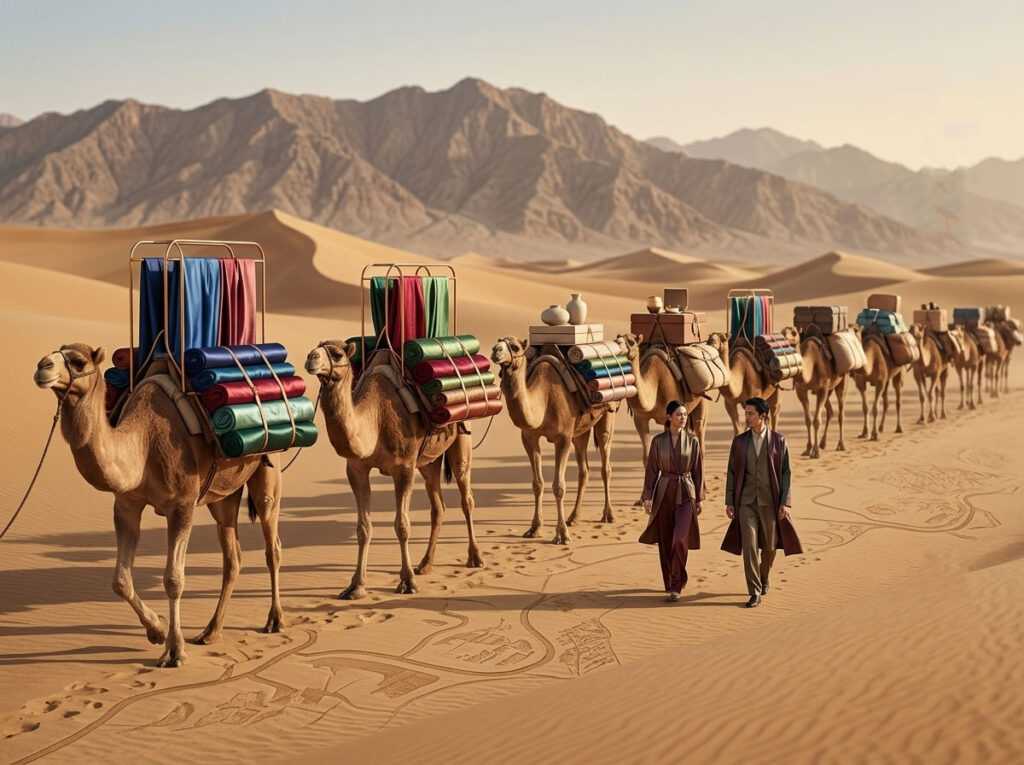
Silk originated in China thousands of years ago. It was first a precious fabric reserved for royalty and gradually spread to the rest of the world.
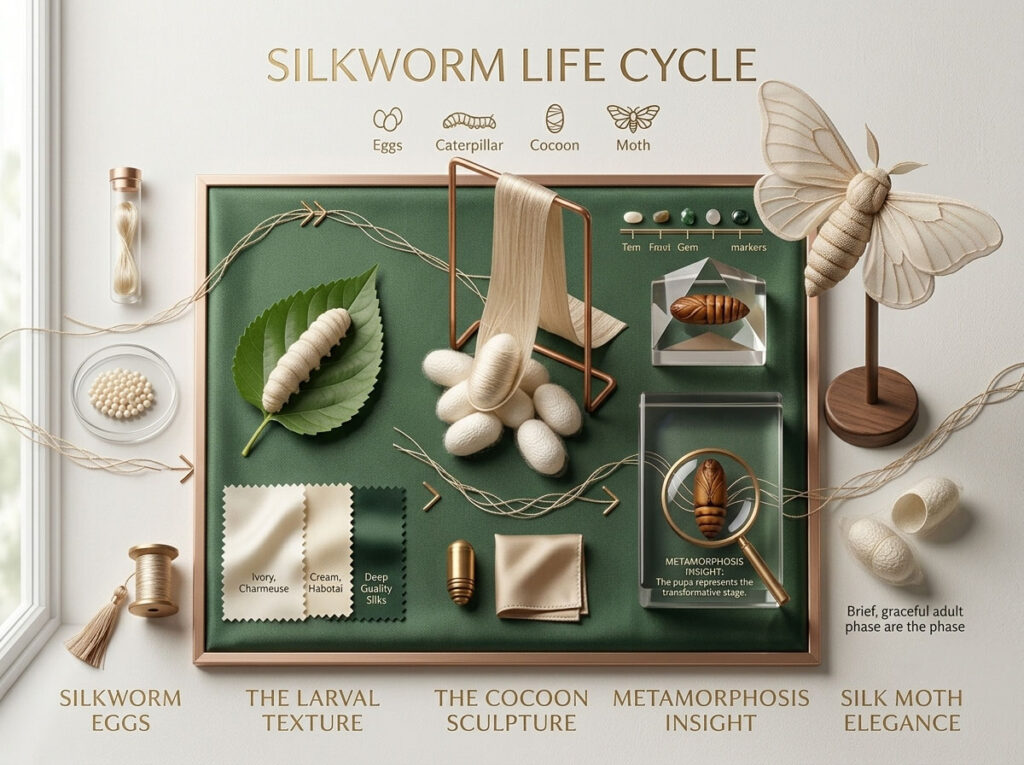
Silk comes from silkworms. Silkworms feed on mulberry leaves and spin fine threads when forming their cocoons. People process the cocoons and extract the silk threads, which are then woven into silk fabric.
Silk is considered especially valuable because of its smooth texture, natural sheen, and the complex production process behind it.
The Silk Road and its impact The Silk Road was an ancient trade network connecting China with Europe and the Middle East. This route played an important role in the spread of silk and other luxury goods among different civilizations.
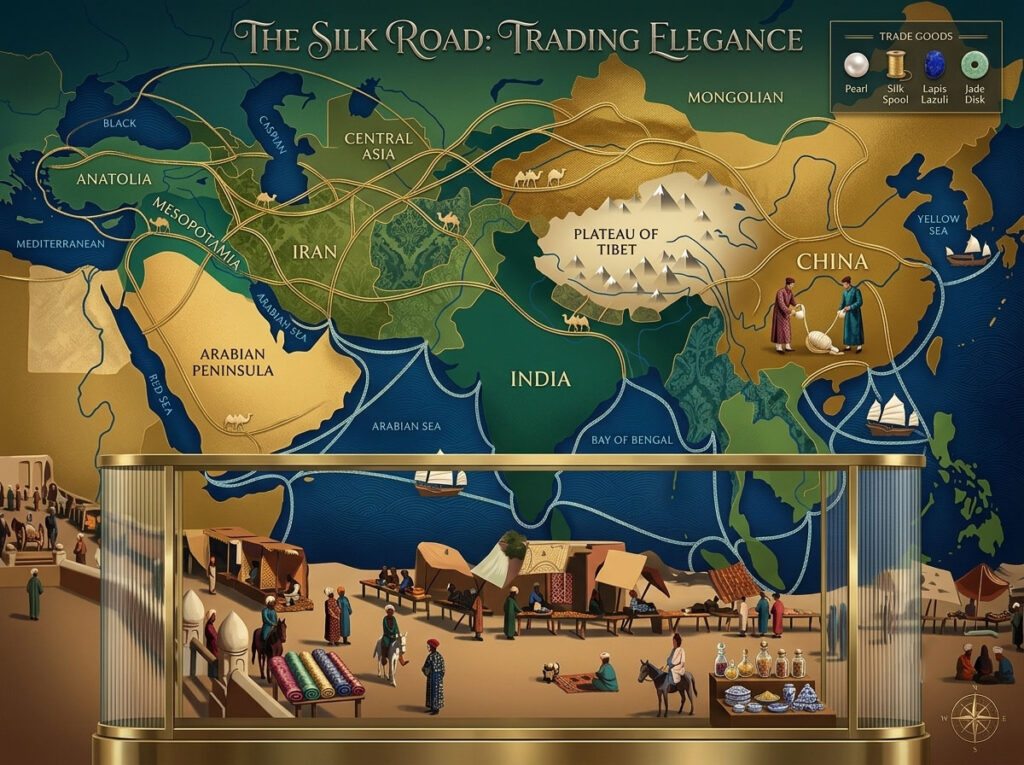
| Region | Impact of Silk |
| China | The birthplace of silk. Production technology was kept strictly secret for a long time, and silk was once a luxury reserved for the imperial family. |
| India | Developed a unique silk system, such as Kanchipuram silk and Muga silk, known for its rich variety and craftsmanship. |
| Persia | Became a major center for silk weaving and intricate textile design, famous for highly detailed craftsmanship. |
| Europe | Silk was widely used in royal clothing and high-end fashion, symbolizing wealth, power, and social status. |
Silk comes in many varieties, each with its own unique characteristics and uses. Some are made from 100% natural silk, offering exceptional softness and a beautiful natural sheen. Others are blended with different fibers to improve durability, make care easier, and provide a more affordable option.
| Type of Natural Silk | Origin | Key Characteristics | Common Uses |
| Mulberry Silk | China and other countries | Soft, smooth, and naturally lustrous. The highest-quality and most widely used silk. | Luxury apparel, sleepwear, bedding, scarves |
| Muga Silk | Assam, India | Naturally golden in color, highly durable, and becomes more lustrous over time. | Luxury fashion, traditional garments |
| Tussar Silk | India and China | Slightly coarse with a natural texture and a subtle matte finish. | Dresses, scarves, shawls |
| Lotus Silk | Myanmar, Cambodia, and other Southeast Asian countries | Extremely rare, eco-friendly, and handcrafted through a labor-intensive process. | Premium scarves, luxury textiles, handcrafted products |
| Silk Blend Type | Blended With | Key Characteristics | Common Uses |
| Silk Blend Fabric | Cotton or synthetic fibers | More durable while retaining the softness and elegance of silk. | Everyday clothing, shirts, dresses |
| Silk Rayon Blend | Rayon or synthetic fibers | A more affordable alternative with a silky look and feel. | Blouses, dresses, linings |
| Silk Viscose Blend | Viscose and silk | Soft, breathable, and beautifully draped. |
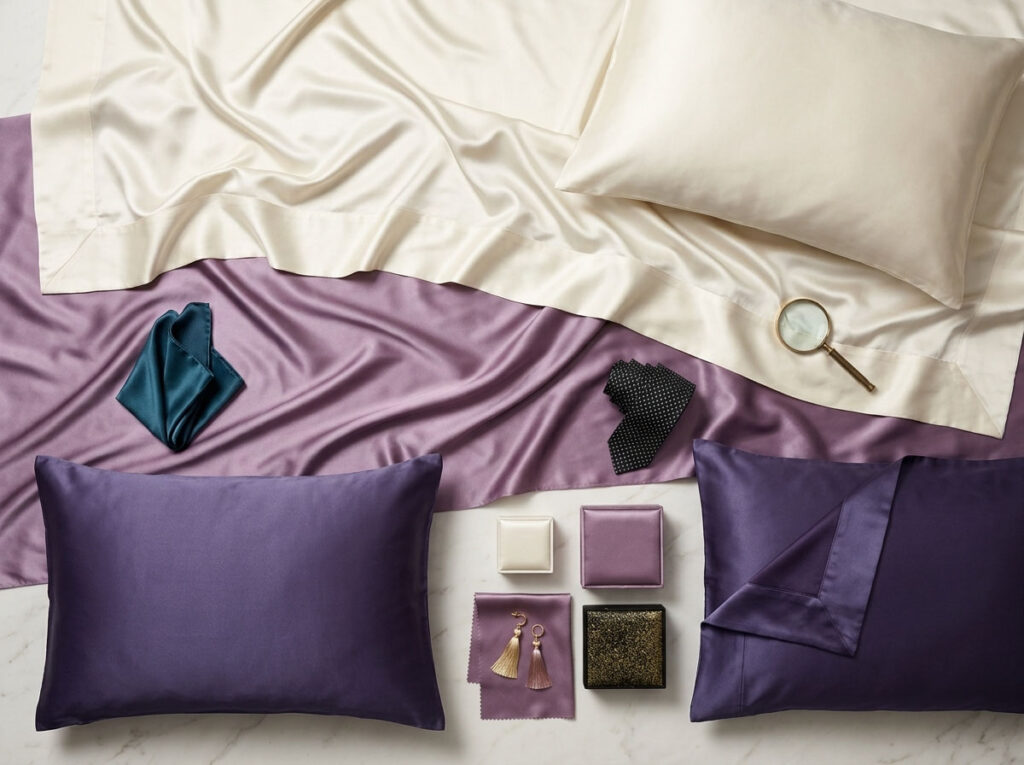
Silk is a luxury natural fabric known for its smooth feel and elegant appearance, but it also has some practical limitations.
Soft and luxurious: Smooth, comfortable touch, ideal for dresses and sleepwear.
Breathable: Helps keep you cool in summer and warm in cooler weather.
Skin-friendly: Naturally hypoallergenic, suitable for sensitive skin.
Elegant sheen: Gives garments a rich, refined look.
Delicate care: Easily damaged without proper handling or gentle washing.
Expensive: Higher cost due to complex, labor-intensive production.
Wrinkles easily: Requires care to maintain a smooth appearance.
Stain-sensitive: Water and oil marks can be difficult to remove.
| Fabric | Texture | Durability | Price Level | Best For |
| Silk | Ultra-soft, smooth, natural sheen | Delicate | High | Luxury dresses, sleepwear, premium garments |
| Satin | Smooth, glossy, slightly slippery | More durable | Low–Mid | Evening wear, affordable “silk-like” looks |
| Cotton Silk | Soft with a slightly textured feel | More durable than pure silk | Mid | Everyday wear, breathable clothing |
| Viscose Silk | Lightweight, soft, flowy drape | Less durable | Mid | Fashion pieces with fluid silhouettes |
Silk is widely used in fashion for its smooth texture, elegant shine, and comfortable feel. It appears in both luxury and everyday clothing.
Silk is instantly seen as a luxury fabric. Its shine and softness make products easy to position at premium prices.
Silk is smooth, breathable, and temperature-regulating, offering comfort that customers can feel immediately.
Although delicate in appearance, good-quality silk can last for years when properly maintained.
Silk is widely used by luxury brands, helping position products as elegant, exclusive, and high-end.
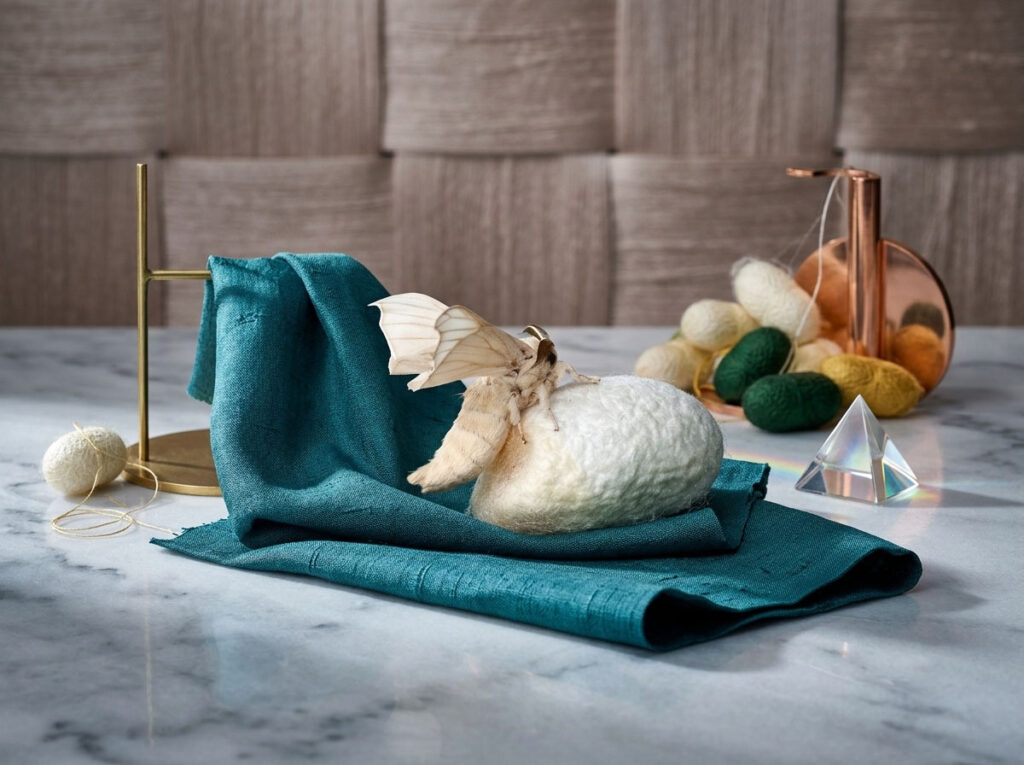
The market includes many silk-look fabrics, so being able to distinguish real silk is essential—especially for sourcing and production.
Genuine silk feels smooth and soft, but not overly slippery. It starts cool against the skin and gradually warms up. Synthetic fabrics like polyester often feel overly slick and artificial.
Real silk burns slowly, smells like burnt hair, and leaves a soft ash residue. Fake silk melts quickly, forms a hard plastic bead, and produces a chemical smell.
Real silk reflects light in a natural, multi-dimensional way. It shows depth and subtle color shifts. Synthetic silk usually has a flat, overly shiny, and uniform gloss.
Silk is a premium fabric, and proper care is essential to maintain its softness, sheen, and durability over time.
Hand wash in cold water using a mild detergent. Avoid bleach, strong chemicals, and harsh rubbing to protect the fibers.
Air dry by laying flat or hanging in the shade. Do not use a tumble dryer, as heat can damage silk.
Use a low-heat setting and always place a cloth between the iron and the fabric to prevent direct heat damage.
Store silk in a breathable cotton bag, away from direct sunlight and moisture to prevent fading and deterioration.
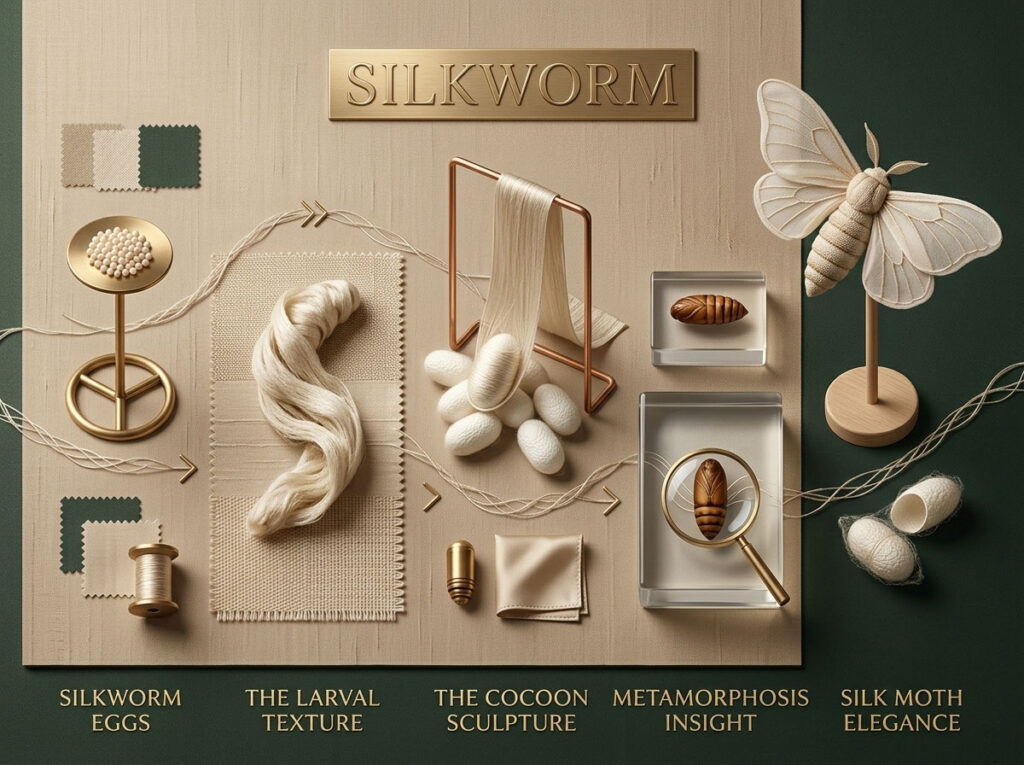
The global silk industry is entering a new growth phase, driven by rising luxury consumption, sustainability trends, and material innovation.
As disposable incomes increase across Asia, the Middle East, and North America, demand for premium fabrics like silk continues to grow. Consumers are increasingly seeking high-quality, long-lasting, and status-driven materials.
Silk is a natural, biodegradable fiber, making it more environmentally friendly than many synthetic alternatives. As sustainability becomes a key priority in fashion, silk is gaining stronger relevance among responsible brands.
Advances in material science are reshaping the industry. Lab-grown silk and bioengineered fibers are opening new applications beyond fashion, including medical materials and high-performance technical textiles.
At Liantao Apparel, we help brands turn silk into a real competitive advantage. With years of garment manufacturing experience, we specialize in sourcing and producing high-quality silk fabrics that balance luxury feel, consistent quality, and cost efficiency. From fabric selection to sampling and bulk production, we support you at every stage to ensure your silk products meet premium market standards.
Whether you are building a new luxury line or upgrading your current collection, we provide tailored silk solutions that enhance product value and strengthen your brand positioning in the market.
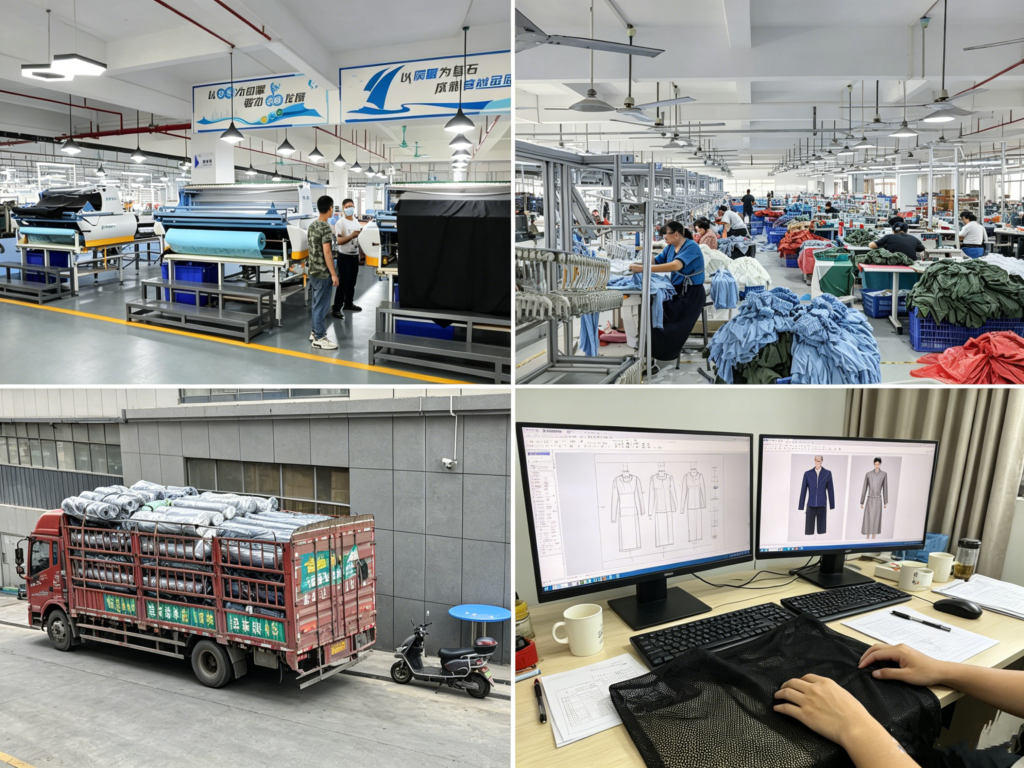
If you have any questions or require a quote, please leave
us a message. Our experts will get back to you within 24 hours to help you choose the ideal fashion products tailored to your needs.
Hi, I’m Lucy Cai, the founder of liantaoapparel.com. I’ve been managing a women’s clothing factory in China for over 16 years. With extensive experience in garment production and OEM services, I’m passionate about sharing insights into women’s fashion, apparel manufacturing, and global sourcing.
If you have any questions or need a quote, please contact us.
Please add us WhatsApp:+86 189 4809 3145
Provide us with detailed information about your requirements, supply design drawings or tech packs,
reference images, and share your ideas.
We will customize the best solution based on your needs and drawings, and provide a specific quote within 24 hours.
Once we receive your confirmation and deposit,we will commence mass production and take care of the subsequent shipping arrangements.