


🏭 Looking for a Custom Apparel Manufacturer?
We are a leading OEM/ODM clothing factory with 20+ years of export experience. Custom styles, flexible MOQs, and retail-ready quality.
When shopping for clothing, you may have noticed that the words “top” and “T-shirt” are sometimes used as if they mean the same thing. But are they really interchangeable?
The short answer is no. A T-shirt is a specific type of top, while “top” is a much broader term that covers many different upper-body garments.
Understanding the difference between a top and a T-shirt can make shopping, product development, styling, and apparel sourcing much easier. For clothing brands, knowing these distinctions is also useful when building product categories and planning a new collection.
In this guide, Liantao explains the main differences between tops and T-shirts, including design, fabric, neckline, styling, and customization.
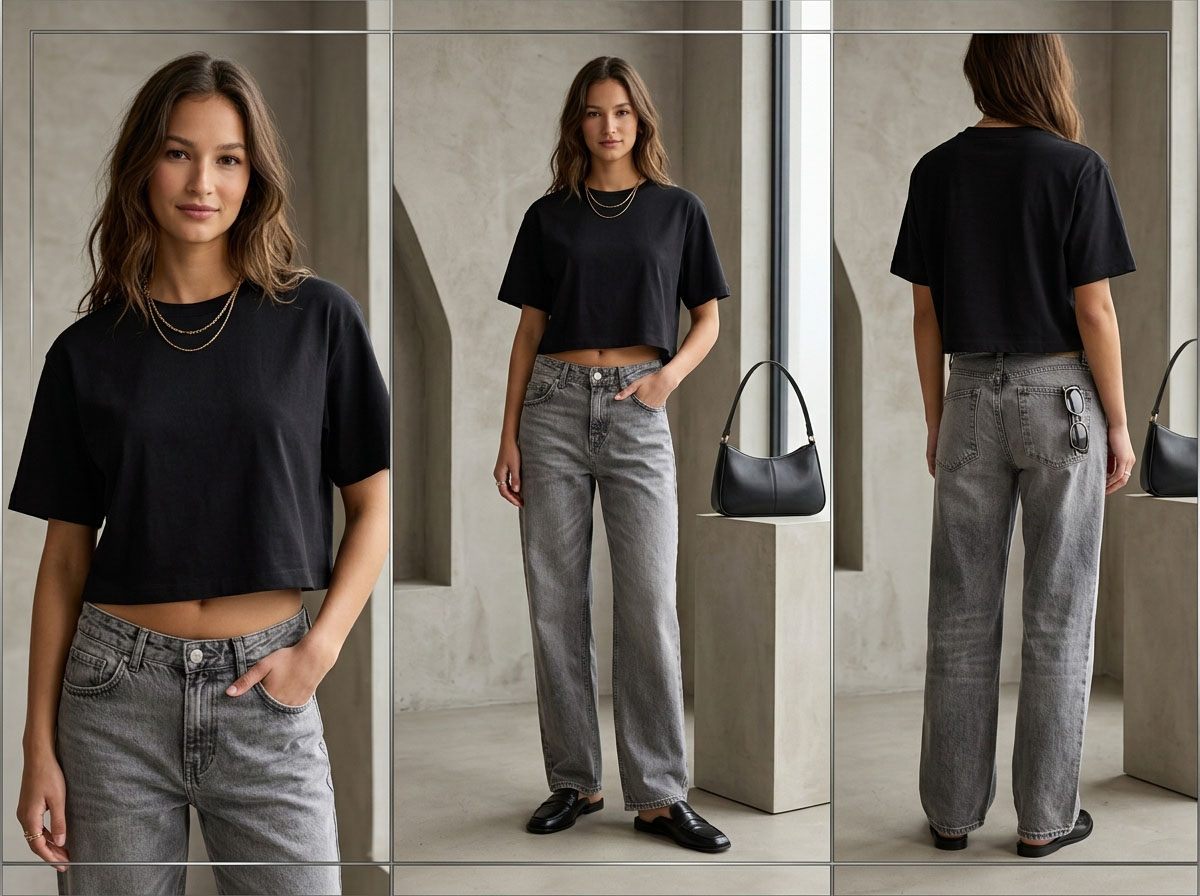
The simplest way to understand the difference is to think of “top” as a category and “T-shirt” as one item within that category.
A top generally refers to clothing designed to cover the upper body. Depending on the design, it can include tank tops, blouses, crop tops, sweaters, camisoles, polo shirts, and T-shirts.
A T-shirt has a more specific construction. It is normally a pull-on garment made from knitted fabric, commonly featuring short sleeves and a crew neck or V-neck.
| Feature | T-Shirt | Top |
|---|---|---|
| Definition | A specific type of casual upper-body garment | A broad category of upper-body clothing |
| Sleeves | Usually short or long sleeves | Sleeveless, short, long, or other designs |
| Neckline | Commonly crew neck or V-neck | Can include scoop, square, halter, off-shoulder, and more |
| Design | Generally simple and functional | Can range from basic to highly detailed |
| Fabric | Often cotton, jersey, or cotton blends | Cotton, polyester, silk, chiffon, wool, jersey, and more |
| Typical Use | Casual, everyday, sports, and promotional wear | Casual, professional, fashion, and occasion wear |
In simple terms: every T-shirt can be described as a top, but not every top is a T-shirt.
Because “top” is a broad category, there are many styles available for different seasons, occasions, and fashion preferences.
| Type of Top | Description |
|---|---|
| T-Shirt | A simple, comfortable top commonly made from jersey fabric |
| Tank Top | A sleeveless design that works well for warm weather and activewear |
| Blouse | A more refined top often featuring lightweight woven fabrics and decorative details |
| Crop Top | A shorter design that typically ends above or around the waist |
| Sweater | A knitted garment designed primarily for warmth |
| Polo Shirt | A collared top that combines casual comfort with a more polished appearance |
Each type serves a different purpose. For example, a T-shirt is usually selected for comfort and everyday styling, while a blouse may be chosen when a more polished appearance is needed.
For apparel brands, this wider definition also creates more opportunities to build a diverse product range.
T-shirts remain one of the most widely used garments because they combine comfort, versatility, affordability, and easy styling.
This versatility makes T-shirts useful not only for consumers but also for fashion labels, promotional businesses, streetwear brands, and private-label apparel companies.
The neckline can significantly affect the appearance, comfort, and styling potential of an upper-body garment.
| Neckline | Common in T-Shirts? | Common in Other Tops? |
|---|---|---|
| Crew Neck | Yes | Yes |
| V-Neck | Yes | Yes |
| Scoop Neck | Sometimes | Yes |
| Square Neck | Less common | Yes |
| Off-Shoulder | Rare | Yes |
| Halter Neck | Rare | Yes |
Crew neck and V-neck designs are among the most recognizable T-shirt necklines. Other tops can offer much greater design freedom, including square, halter, asymmetrical, and off-shoulder constructions.
For designers, neckline selection can therefore become an important part of creating a distinctive apparel collection.
Fabric is another major difference between T-shirts and other types of tops.
T-shirts are frequently produced using cotton jersey, cotton blends, polyester blends, interlock, and other knitted fabrics. These materials are generally selected for softness, stretch, breathability, and everyday comfort.
Other tops can use both knitted and woven materials depending on their intended appearance.
| Fabric | T-Shirts | Other Tops |
|---|---|---|
| Cotton | Very common | Very common |
| Polyester | Common | Common |
| Jersey Knit | Very common | Common |
| Linen | Sometimes | Common |
| Silk | Rare | Common |
| Chiffon | Rare | Common |
| Wool | Occasionally | Common in knitwear |
The right fabric depends on the product’s purpose. A lightweight cotton jersey may work well for an everyday T-shirt, while chiffon or silk may be more suitable for a dressier fashion top.
For manufacturers and brands, fabric selection should also consider weight, stretch, durability, shrinkage, colorfastness, and production requirements.
The best choice depends on the occasion, weather, dress code, and desired appearance.
The important point is that neither category replaces the other. They simply serve different styling and functional purposes.
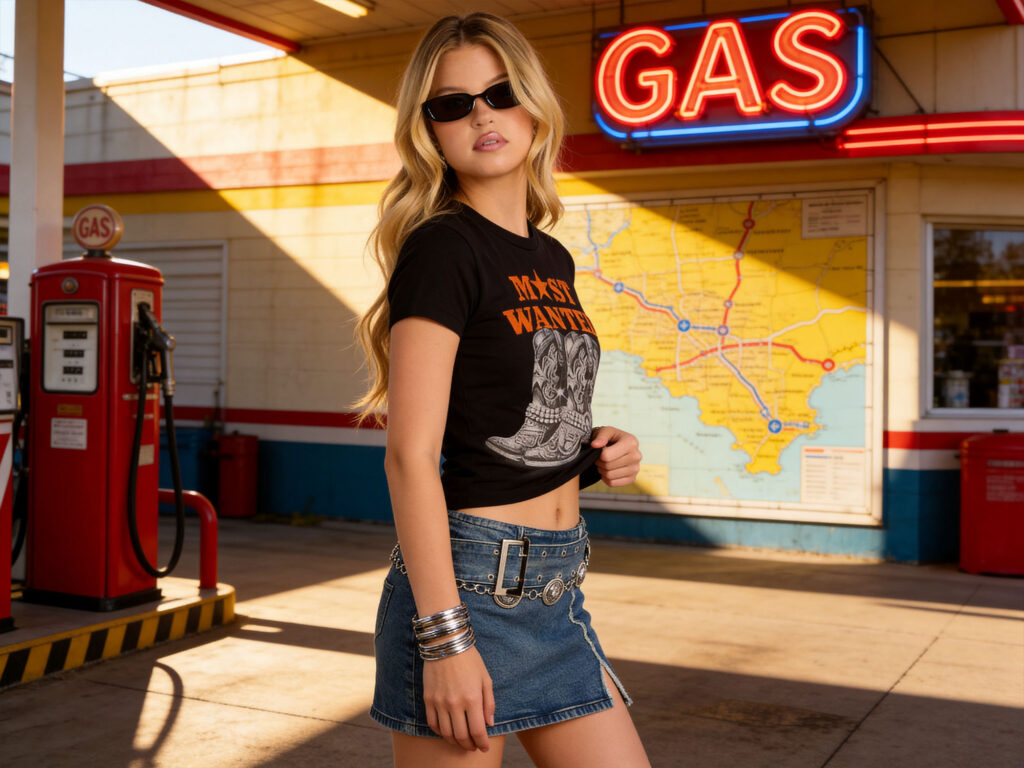
T-shirts are particularly popular for customization because their construction is relatively simple and many common T-shirt fabrics work well with modern decoration techniques.
| Factor | T-Shirts | Other Tops |
|---|---|---|
| Printability | Easy to print on many common fabrics | Depends heavily on fabric and construction |
| Logo Placement | Front, back, sleeve, and other areas | Varies by garment design |
| Fabric Compatibility | Cotton and blends work well with many techniques | Delicate fabrics may require specialized methods |
| Production Flexibility | Easy to produce in different colors and fits | Construction can be more complex |
T-shirts can support techniques such as screen printing, DTG printing, heat transfer, embroidery, and custom labeling, depending on the fabric and design.
For startups and established apparel brands, this makes T-shirts a practical option for building branded merchandise and private-label collections.
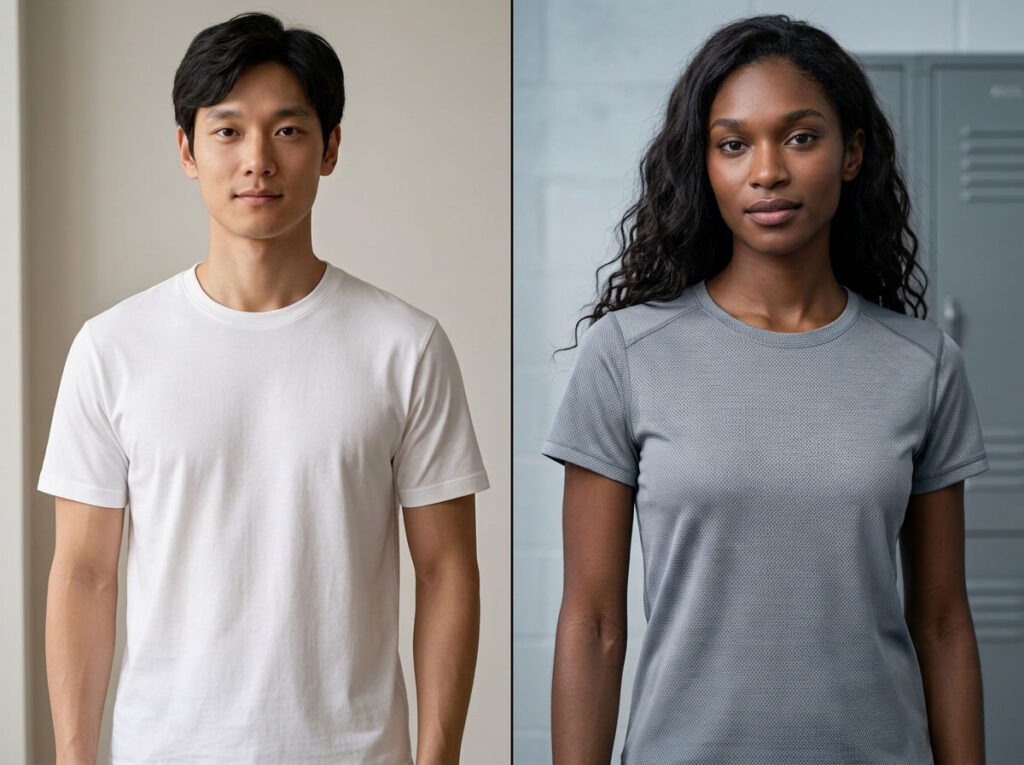
There is no single answer because the right garment depends on the intended use.
| Situation | Suitable Choice |
|---|---|
| Everyday casual wear | T-Shirt |
| Business-casual styling | Polo Shirt, Blouse, or Structured Top |
| Sports and activewear | T-Shirt or Tank Top |
| Cold-weather dressing | Sweater or Knit Top |
| Fashion-focused outfits | Crop Top, Blouse, or Layered Top |
| Promotional apparel | T-Shirt |
| Simple everyday layering | T-Shirt |
If comfort, simplicity, and easy customization are the priority, a T-shirt is often a practical choice.
If the goal is to create a more distinctive silhouette, formal appearance, or fashion-oriented collection, other types of tops provide more design possibilities.
A T-shirt is a type of top, but a top is not necessarily a T-shirt.
The main differences come down to category, construction, neckline, fabric, design, and intended use. T-shirts generally focus on comfort, simplicity, versatility, and customization, while the broader category of tops includes many different silhouettes and styling options.
For consumers, understanding the distinction makes it easier to choose the right garment. For fashion brands, retailers, and apparel buyers, it can also help create clearer product categories and more targeted collections.
At Liantao, understanding these differences can help brands develop apparel products that match their target market, fabric requirements, design direction, and production goals.
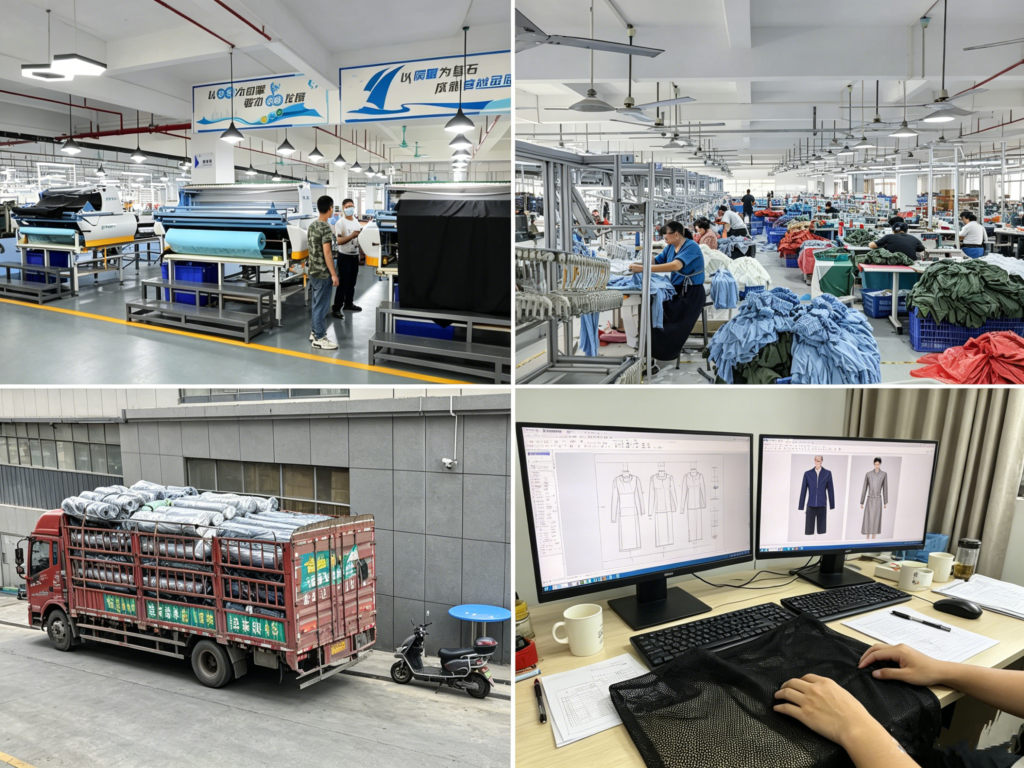
If you have any questions or require a quote, please leave
us a message. Our experts will get back to you within 24 hours to help you choose the ideal fashion products tailored to your needs.
Hi, I’m Lucy Cai, the founder of liantaoapparel.com. I’ve been managing a women’s clothing factory in China for over 16 years. With extensive experience in garment production and OEM services, I’m passionate about sharing insights into women’s fashion, apparel manufacturing, and global sourcing.
If you have any questions or need a quote, please contact us.
Please add us WhatsApp:+86 189 4809 3145
Provide us with detailed information about your requirements, supply design drawings or tech packs,
reference images, and share your ideas.
We will customize the best solution based on your needs and drawings, and provide a specific quote within 24 hours.
Once we receive your confirmation and deposit,we will commence mass production and take care of the subsequent shipping arrangements.


