


🏭 Looking for a Custom Apparel Manufacturer?
We are a leading OEM/ODM clothing factory with 20+ years of export experience. Custom styles, flexible MOQs, and retail-ready quality.
In business, apparel refers to clothing and wearable products manufactured or sold commercially. From everyday T-shirts and hoodies to activewear and luxury fashion, apparel connects product design, material sourcing, manufacturing, distribution, and retail.
But what does apparel really mean for a clothing business? What role do manufacturers play, and how do materials, production decisions, and market trends affect commercial success?
We examine these questions using public industry data, official manufacturing classifications, and a practical Apparel Business Test to help brands and buyers understand the industry.
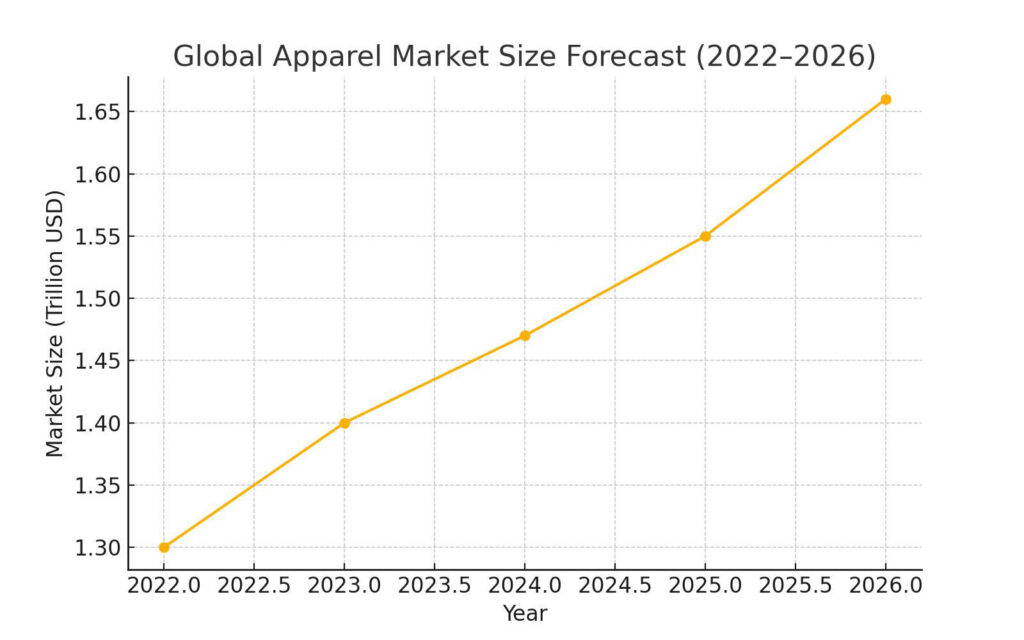
Source: Grand View Research, Apparel Market Size, Share & Trends Report, 2026–2033.
These figures show the scale of the commercial ecosystem behind the clothes people wear. However, market size alone does not guarantee that an individual apparel brand or product will be profitable.
Apparel in business refers to clothing and related wearable products produced or sold for commercial purposes. Examples include T-shirts, sweatshirts, trousers, dresses, jackets, sportswear, uniforms, and custom garments.
The U.S. Census Bureau classifies apparel manufacturing under NAICS 315. The category includes cut-and-sew operations, establishments that knit fabric and manufacture complete garments, apparel contractors, and custom garment makers.
For manufacturers, apparel is more than the finished product. It involves turning a design or product specification into a garment that meets requirements for fit, fabric, construction, quality, and cost.
For example, a brand developing a custom hoodie must consider fabric weight, fit, stitching, printing or embroidery, labels, packaging, and production quantity. Each decision can affect the final product and its commercial viability.
Grand View Research estimates that the global apparel market was valued at approximately $1.8 trillion in 2025 and could reach approximately $2.5 trillion by 2033.
| Market Indicator | Estimate |
|---|---|
| Global market, 2025 | $1.8 trillion |
| Estimated market, 2026 | $1.9 trillion |
| Projected market, 2033 | $2.5 trillion |
| Forecast CAGR, 2026–2033 | 4.1% |
| Asia Pacific revenue share, 2025 | 40.8% |
What does this test tell us?
Apparel is a major global industry with demand across different product categories, price points, and distribution channels. But manufacturers and brands still need to validate demand for their specific products rather than assuming that overall market growth guarantees sales.
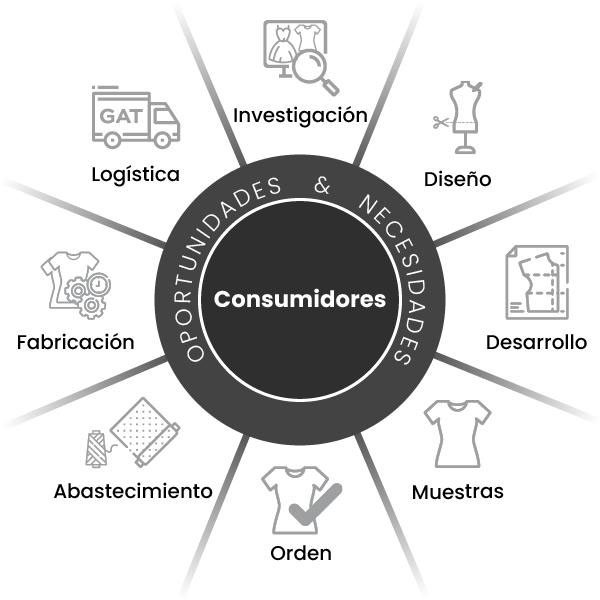
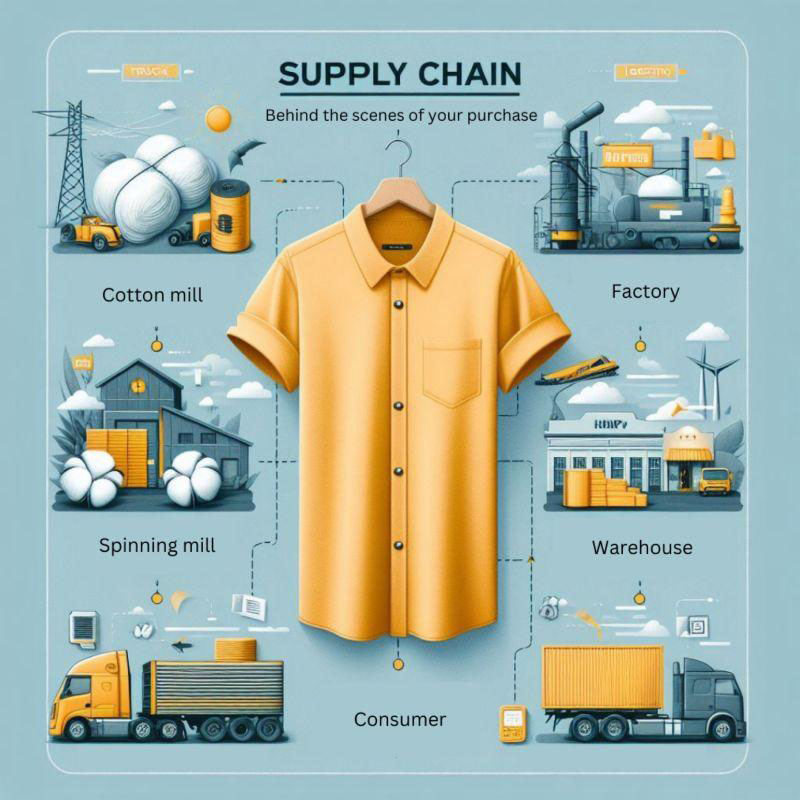
The apparel supply chain connects raw material suppliers, textile producers, garment manufacturers, brands, distributors, retailers, and consumers.
A typical process begins with fiber and fabric sourcing, continues through product development and manufacturing, and ends with distribution and sales. Delays or cost changes at one stage can affect the entire chain.
For example, if a fabric is unavailable, sampling or bulk production may be delayed. If a garment fails quality inspection, a brand may face rework, late delivery, or customer complaints.
| Stage | Key Process | Business Impact |
|---|---|---|
| Raw Material Sourcing | Purchasing fibers, yarns, fabrics, and trims | Influences cost, availability, and material specifications |
| Manufacturing | Pattern making, cutting, sewing, and finishing | Determines production efficiency and garment quality |
| Quality Control | Checking measurements, construction, and appearance | Helps reduce defects and maintain consistency |
| Logistics & Shipping | Transporting finished products | Affects delivery time and landed cost |
| Retail & Sales | Selling through stores, wholesalers, or e-commerce | Influences revenue, margins, and market reach |
The supply-chain test: If a business cannot coordinate materials, production, quality, and delivery, even a strong product concept may struggle commercially.
For apparel brands, choosing a suitable manufacturer is therefore part of supply-chain planning—not simply a decision about who offers the lowest unit price.
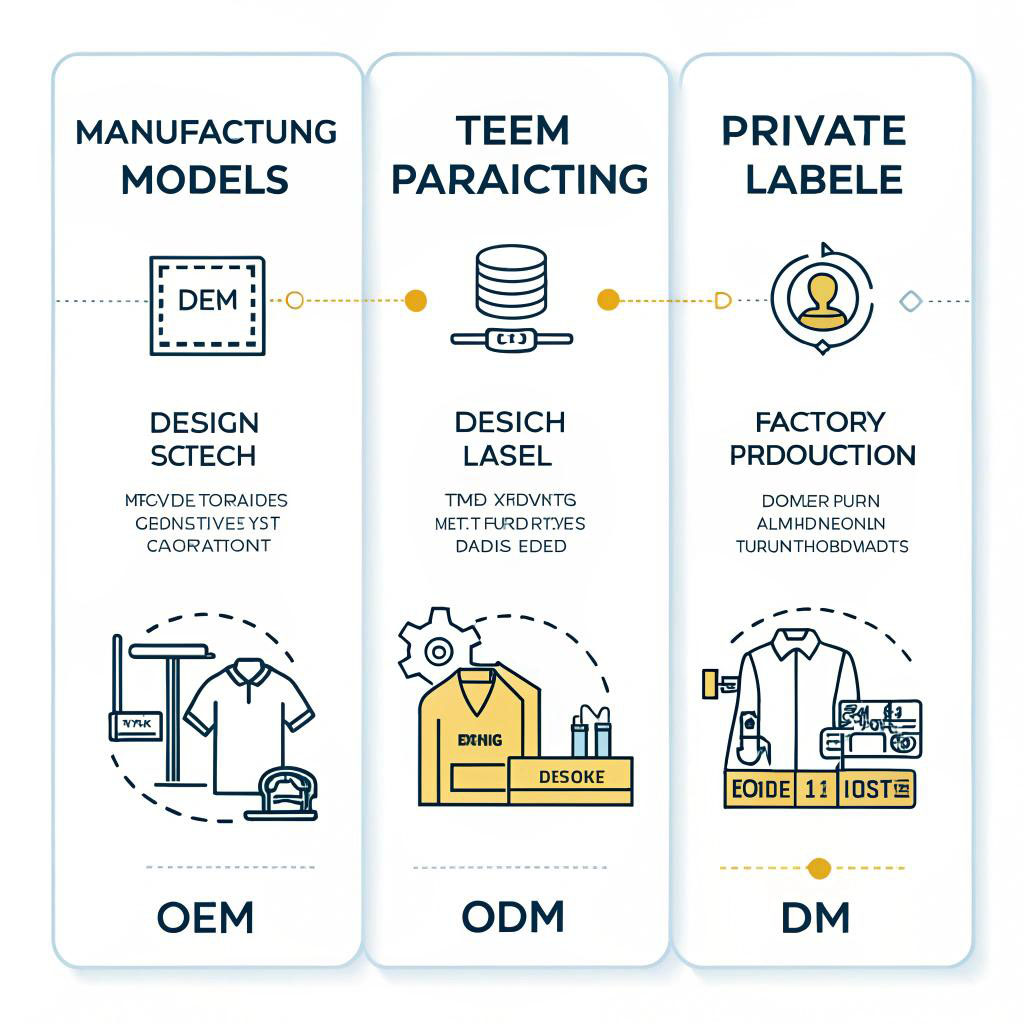
Apparel manufacturers transform designs, samples, technical specifications, and materials into finished garments. Depending on their capabilities, they may also support product development, fabric sourcing, pattern making, sampling, and quality control.
A manufacturer’s role can extend beyond sewing. For example, a brand developing a new activewear collection may need help evaluating stretch, recovery, fabric weight, construction, and fit before approving a bulk order.
Manufacturers can also help brands assess production feasibility. A design that looks attractive on paper may require adjustments to materials, construction, or specifications to meet the target price and production quantity.
The right manufacturing partner can help a business improve product consistency, manage lead times, and prepare for repeat orders. However, the exact services available vary by factory, so buyers should confirm capabilities before placing an order.
These checks help buyers compare suppliers on more than price alone.
Apparel manufacturing involves several connected activities. Materials, design, production, quality control, and distribution must work together to deliver a product that meets customer expectations and commercial requirements.
The process commonly starts with product specifications and material selection. The factory then develops or confirms patterns, creates samples where required, and proceeds to cutting, sewing, finishing, and inspection after the relevant approvals.
| Component | Description | Impact on Production |
|---|---|---|
| Material Selection | Choosing fabric, trims, and other components | Influences comfort, durability, cost, and appearance |
| Design & Pattern | Defining the style, measurements, and construction | Affects fit, brand identity, and manufacturability |
| Production Process | Cutting, sewing, printing, embroidery, and finishing as required | Determines efficiency and execution quality |
| Quality Control | Checking measurements, workmanship, and appearance | Helps identify defects and improve consistency |
| Distribution | Preparing and shipping finished products | Affects delivery schedules and customer experience |
Consider a brand planning to sell a custom T-shirt.
Test 1: Product feasibility. Can the fabric, print, fit, and construction be produced as specified?
Test 2: Production feasibility. Can the manufacturer meet the required order quantity and delivery schedule?
Test 3: Commercial feasibility. Does the estimated manufacturing and delivery cost leave enough margin for the brand’s business model?
A product that passes all three checks is better positioned for commercial production. This is a practical decision framework, not a controlled scientific experiment or a guarantee of profitability.
Material selection affects a garment’s appearance, comfort, durability, performance, and cost. The right fabric depends on the intended product, target customer, design requirements, and price positioning.
Cotton is commonly used for T-shirts and casual clothing because it is soft and breathable. Polyester is often selected for sportswear and performance products because of its durability and moisture-management options. Wool provides insulation, while recycled fibers may be used when their performance, sourcing, and certification requirements fit the product.
No material is automatically best for every garment. Brands should evaluate the fabric’s properties alongside care requirements, construction, target price, and the intended use of the product.
| Material | Key Benefits | Common Applications |
|---|---|---|
| Cotton | Soft, breathable, and versatile | T-shirts, casual tops, dresses |
| Polyester | Durable and suitable for many performance fabrics | Sportswear, outerwear, activewear |
| Wool | Insulating and suitable for cooler conditions | Sweaters, coats, suits |
| Recycled Polyester | Uses recycled feedstock and can support material-reduction goals | Activewear, outerwear, casual wear |
| Organic Cotton | Grown under a defined organic production standard | Casual clothing and selected sustainable collections |
Material selection test: Before approving a fabric, confirm its composition, weight, stretch, recovery, color, hand feel, care requirements, and suitability for the intended garment. Where environmental claims are important, verify the relevant certification and supply-chain documentation rather than relying on a material name alone.
Apparel manufacturing costs depend on more than the number of sewing operations. Fabric consumption, material prices, labor, construction complexity, order quantity, printing or embroidery, finishing, packaging, quality requirements, and logistics can all influence the final cost.
For example, a hoodie with custom fabric, multiple panels, embroidery, special washing, and branded packaging may cost more to produce than a basic hoodie with standard materials and simpler construction.
Order quantity also matters. Some setup and development costs are spread across the order, so a larger quantity may reduce the unit cost. However, a larger order also requires more working capital and creates greater inventory risk if demand is uncertain.
| Factor | Description | Impact on Price |
|---|---|---|
| Material Costs | Fabric, trims, labels, and accessories | Higher-cost materials can increase unit cost |
| Labor & Construction | Sewing time, complexity, and finishing | Complex construction may require more production time |
| Order Quantity | Number of units produced | Larger orders may spread certain costs across more units |
| Customization | Printing, embroidery, washing, and special details | Additional processes can increase cost |
| Quality Requirements | Testing, inspection, and required standards | Additional controls may add cost but help manage quality risk |
| Market Positioning | Target customer, brand, and retail strategy | Influences the price the business aims to charge |
A useful pricing calculation starts with the full landed cost, not just the factory quotation. Depending on the business model, landed cost may include manufacturing, packaging, freight, insurance, duties, and other applicable charges.
The brand must then consider marketing, warehousing, platform fees, returns, and other operating expenses when evaluating profitability.
Apparel manufacturers respond to changing product requirements by adjusting materials, construction, production methods, and product-development capabilities. Their role is to help turn a brand’s market idea into a garment that can be produced to the required specification.
For example, demand for comfortable everyday clothing may lead brands to develop relaxed-fit T-shirts, hoodies, sweatshirts, and athleisure products. A performance-focused brand may instead prioritize stretch, recovery, moisture management, and durability.
Market data can help businesses understand broader conditions. Grand View Research estimates that mass apparel represented 67.8% of global apparel market revenue in 2025, while the Asia Pacific region represented 40.8%.
These are market-level estimates, not proof that a particular product category will succeed. A brand should also examine its own customers, competitors, sales history, price range, and product reviews.
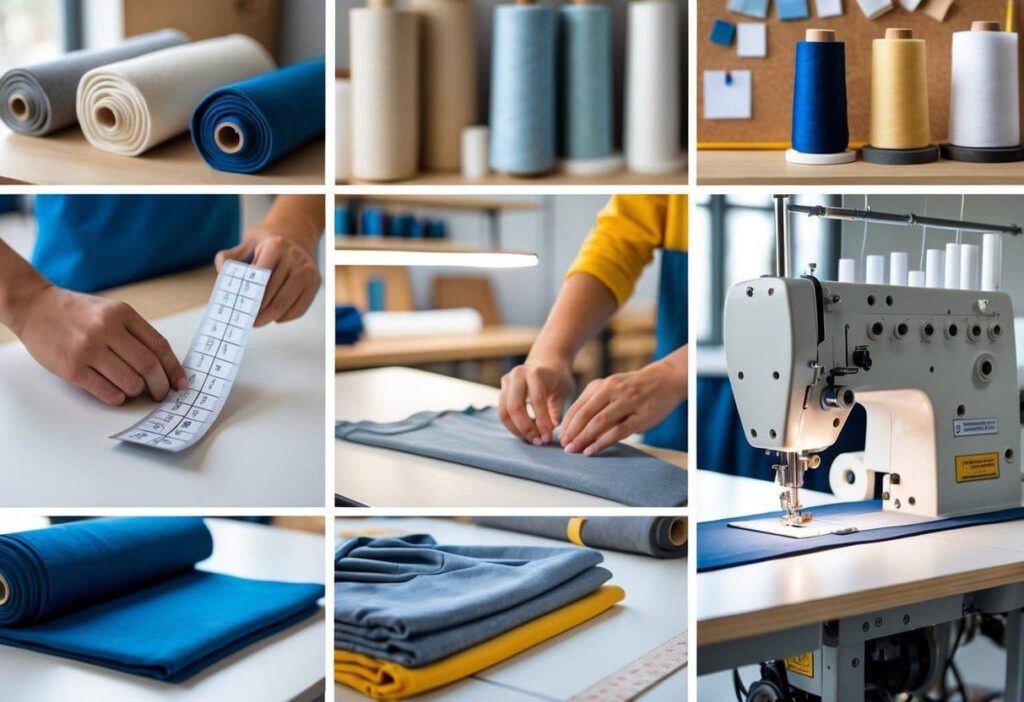
Before launching a product based on a trend, a brand can ask:
Manufacturers can contribute production knowledge, but product-market fit still depends on the brand’s customers and commercial decisions.
Understanding what apparel means in business helps brands and buyers see the full process behind a finished garment. Apparel includes wearable products, but the business also depends on material sourcing, product development, manufacturing, quality control, logistics, distribution, and sales.
Public market estimates show that apparel is a large global industry. Yet success for an individual product depends on more than industry growth. Businesses must validate customer demand, select suitable materials, control costs, choose reliable manufacturing partners, and plan for delivery and repeat orders.
For B2B buyers, an apparel manufacturer can contribute to product development and production execution. The right partnership should match the product requirements, order quantity, quality expectations, timeline, and long-term business plan.
At Liantao, we believe successful apparel production starts with clear specifications, practical product development, and transparent communication. If you are exploring a custom clothing project, define your product, target quantity, materials, and required customizations before requesting a quotation. These details help establish whether the project is commercially and technically feasible.
This article combines public market research with official industry classification information and an original practical decision framework.
Market estimates vary by research provider and methodology. Figures should be understood as estimates and forecasts, not audited totals. Readers should consult the original sources for the latest definitions and updates.
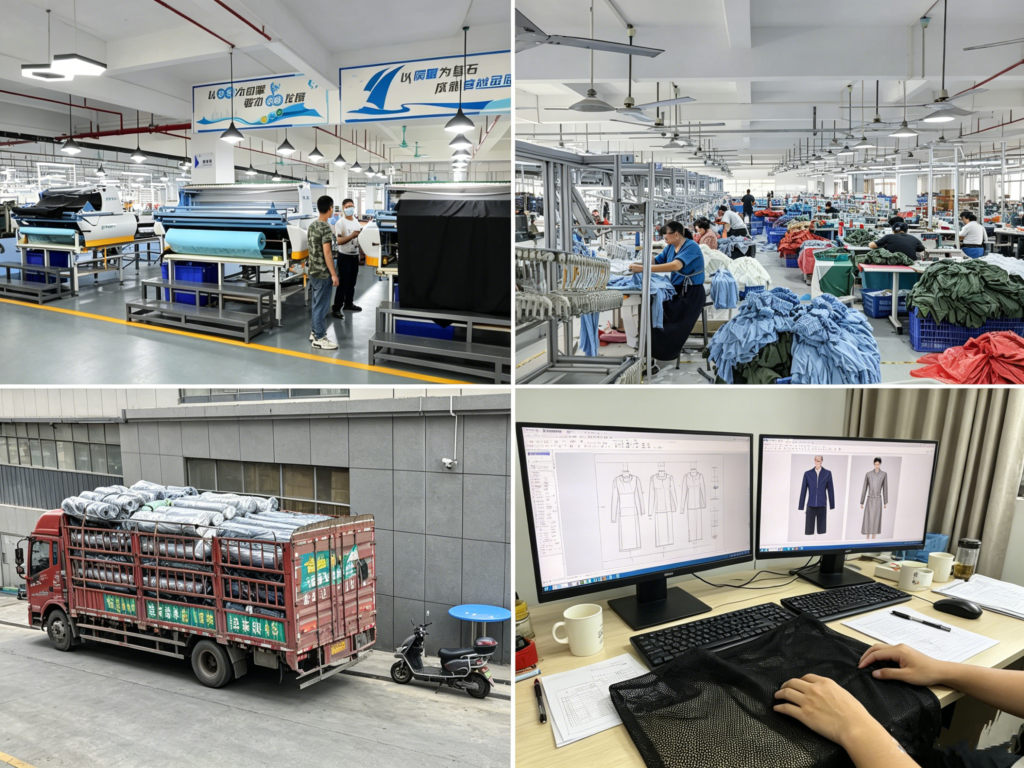
If you have any questions or require a quote, please leave
us a message. Our experts will get back to you within 24 hours to help you choose the ideal fashion products tailored to your needs.
Hi, I’m Lucy Cai, the founder of liantaoapparel.com. I’ve been managing a women’s clothing factory in China for over 16 years. With extensive experience in garment production and OEM services, I’m passionate about sharing insights into women’s fashion, apparel manufacturing, and global sourcing.
If you have any questions or need a quote, please contact us.
Please add us WhatsApp:+86 189 4809 3145
Provide us with detailed information about your requirements, supply design drawings or tech packs,
reference images, and share your ideas.
We will customize the best solution based on your needs and drawings, and provide a specific quote within 24 hours.
Once we receive your confirmation and deposit,we will commence mass production and take care of the subsequent shipping arrangements.


