


🏭 Looking for a Custom Apparel Manufacturer?
We are a leading OEM/ODM clothing factory with 20+ years of export experience. Custom styles, flexible MOQs, and retail-ready quality.
Jogging pants are no longer limited to running or gym workouts. They have become an everyday essential for activewear, athleisure, travel, lounging, and casual fashion.
But choosing the right fabric can make a major difference in how joggers feel and perform. A lightweight polyester jogger may work well for running, while French terry can be more comfortable for everyday wear. Fleece, meanwhile, can provide the warmth needed for winter.
So, what is the best fabric for jogging pants?
There is no single fabric that is ideal for every situation. The right material depends on the activity, climate, desired fit, moisture management, stretch, durability, and whether the joggers are intended for performance or casual wear.
In this guide, Liantao compares six popular jogging pants fabrics and explains how to choose the right material for different uses.
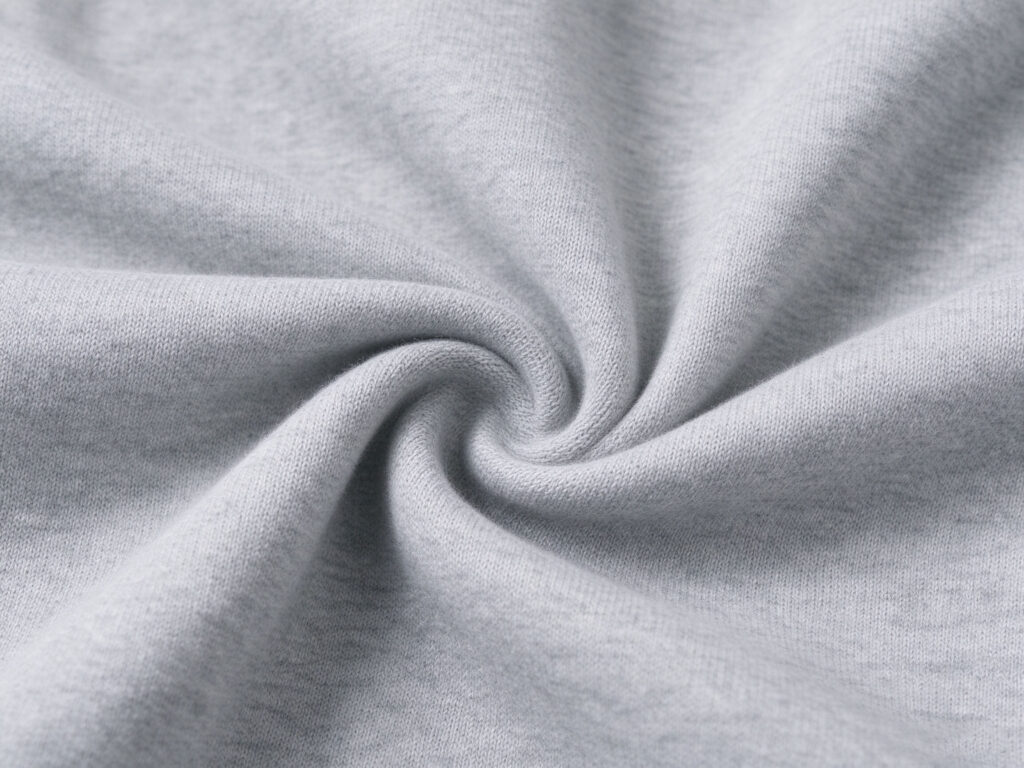
The fabric determines much of a jogger’s comfort and performance. Before selecting a material, manufacturers and brands should consider how the pants will actually be worn.
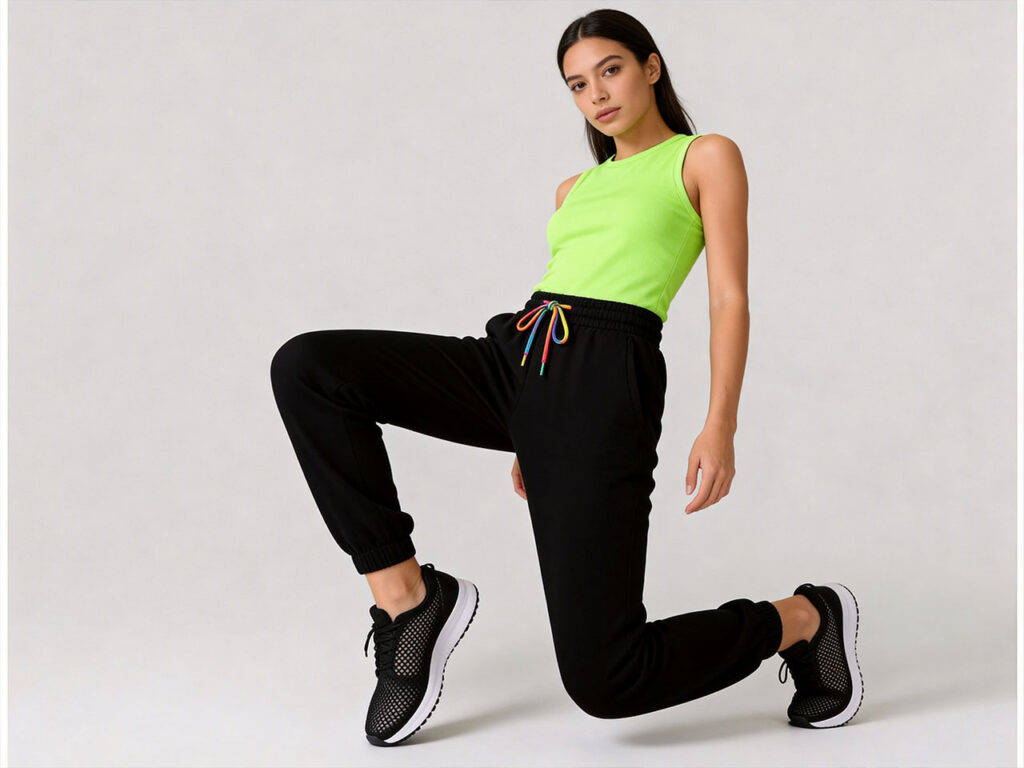
For workout joggers, moisture management, breathability, stretch, durability, and freedom of movement are especially important. For casual joggers, softness, appearance, warmth, and easy care may matter more.
With these factors in mind, let’s compare the most common jogging pants fabrics.
Not every fabric is designed for the same type of jogging pants. Some materials are optimized for athletic performance, while others are better suited to casual wear and relaxation.
The six commonly used options include polyester, nylon, spandex, cotton-polyester blends, French terry, and fleece.
Polyester is one of the most widely used synthetic fibers in performance apparel.
Polyester is particularly useful when brands need a fabric that can handle frequent washing and demanding athletic use.
Nylon is valued for its smooth surface, strength, flexibility, and abrasion resistance.
Nylon is a useful option when a brand wants performance joggers with a slightly different hand feel from standard polyester.
Spandex, also known as elastane or Lycra, is primarily used to add stretch rather than as the main fiber in joggers.
A small percentage of elastane can significantly improve the comfort and mobility of a jogger fabric.
Cotton-polyester blends combine characteristics from both natural and synthetic fibers.
For brands selling joggers as both lifestyle and activewear products, cotton-polyester blends can offer a practical middle ground.
French terry is a knitted fabric characterized by a smooth outer surface and looped structure on the inside.
French terry is especially popular for lifestyle joggers because it offers a balance between comfort and structure.
Fleece is designed to provide warmth and insulation, making it a common choice for cold-weather joggers.
For winter collections, fleece can be combined with an appropriate outer fabric construction to create warm and comfortable joggers.
| Fabric | Best For | Main Advantages | Potential Limitation |
|---|---|---|---|
| Polyester | Running & performance | Quick-drying, durable, moisture management | Can feel less natural |
| Nylon | Running & outdoor training | Smooth, strong, flexible | May retain odor |
| Spandex/Elastane | Stretch-focused joggers | Excellent elasticity and recovery | Usually needs to be blended |
| Cotton-Polyester Blend | Casual & light workouts | Soft, comfortable, durable | Less technical moisture management |
| French Terry | Casual & mild weather | Soft, breathable, versatile | Limited cold-weather insulation |
| Fleece | Winter & cold weather | Warm, soft, insulating | Can be too warm for intense exercise |
The best jogger fabric depends on the product’s intended use rather than one universal ranking.
Summer jogging pants need to balance light weight, airflow, flexibility, and moisture management.
When temperatures rise, heavy fabrics can trap heat and make physical activity uncomfortable. Lightweight polyester, nylon, and stretch blends are commonly considered for performance-oriented summer joggers.
For hot-weather performance joggers, brands should also consider fabric GSM, air permeability, garment fit, and ventilation design.
Heavy fleece and heavyweight cotton are generally less suitable for hot-weather running because their additional mass and insulation can increase heat retention.
Winter jogging pants need to provide warmth while still allowing comfortable movement.
For cold-weather products, fleece-lined polyester, thermal fabrics, heavyweight cotton fleece, and selected wool blends can all be considered depending on the climate and activity level.
Layering can also make a major difference. In very cold conditions, thermal base layers underneath joggers can provide additional insulation without requiring excessively thick outer pants.
Cotton is soft, familiar, and comfortable, which makes it popular for casual joggers. But is cotton a good choice for serious exercise?
The answer depends on the activity.
For light exercise and casual jogging, cotton can be perfectly comfortable. However, for high-intensity running, cotton has a limitation: it absorbs moisture rather than rapidly moving it away from the body.
For demanding workouts, a moisture-managing polyester, nylon, or blended performance fabric may be more appropriate.
Polyester and cotton have different performance characteristics, so the better option depends on how the joggers will be used.
For running and high-intensity exercise, polyester often provides advantages in quick drying, moisture management, durability, and shape retention. Cotton, meanwhile, remains attractive for consumers prioritizing softness and everyday comfort.
| Feature | Cotton | Polyester |
|---|---|---|
| Softness | Very soft, especially in suitable constructions | Can range from smooth to soft depending on finish |
| Breathability | Generally good, depending on construction | Varies by yarn and fabric construction |
| Moisture Management | Absorbs moisture | Often designed to move moisture and dry quickly |
| Drying Speed | Relatively slow | Generally fast |
| Durability | Good, but varies by construction | Generally high |
| Shrinkage | Can shrink if untreated or improperly cared for | Generally lower shrinkage |
| Stretch | Limited unless blended with elastane | Varies; often blended for stretch |
| Best Use | Casual wear and light activity | Performance and activewear |
Instead of asking whether polyester is universally “better,” brands should match the fabric to the consumer, activity level, climate, and product positioning.
A number of established sportswear and fashion brands use specialized fabrics for their joggers.
Examples include:
| Brand/Product Line | Common Fabric Approach | Typical Positioning |
|---|---|---|
| Nike Dri-FIT | Moisture-managing synthetic fabrics | Performance and training |
| Adidas AEROREADY | Breathable synthetic blends | Sports and activewear |
| lululemon ABC Joggers | Stretch and quick-drying technical fabrics | Performance and lifestyle |
| Under Armour ColdGear | Thermal-oriented constructions | Cold-weather performance |
| Aritzia TNA Chill | Soft cotton-rich blends | Casual and lifestyle |
These examples illustrate an important point: successful jogger products are not defined by fiber alone.
Fabric weight, yarn, knit structure, stretch percentage, finishing, garment construction, waistband design, pocket construction, and fit can all influence the final product.
For private-label brands, understanding these details is often more valuable than simply copying a competitor’s fiber composition.
Casual joggers need to balance comfort, softness, appearance, durability, and versatility.
Unlike performance joggers, they do not necessarily require aggressive moisture-wicking or highly technical fabrics.
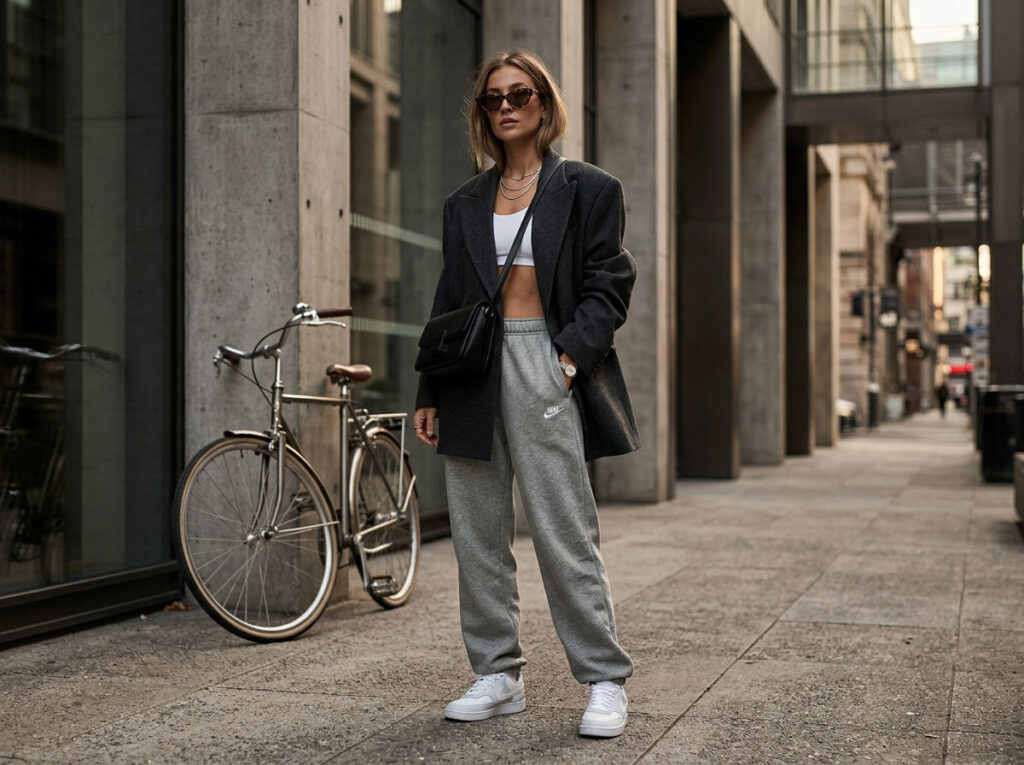
For everyday wear, cotton-polyester blends, French terry, and jersey fabrics are popular options.
These fabrics are suitable for lounging, travel, running errands, casual outings, and light physical activity.
For a fashion-focused jogger collection, the fabric should also be evaluated for drape, surface appearance, pilling resistance, colorfastness, and wash performance.
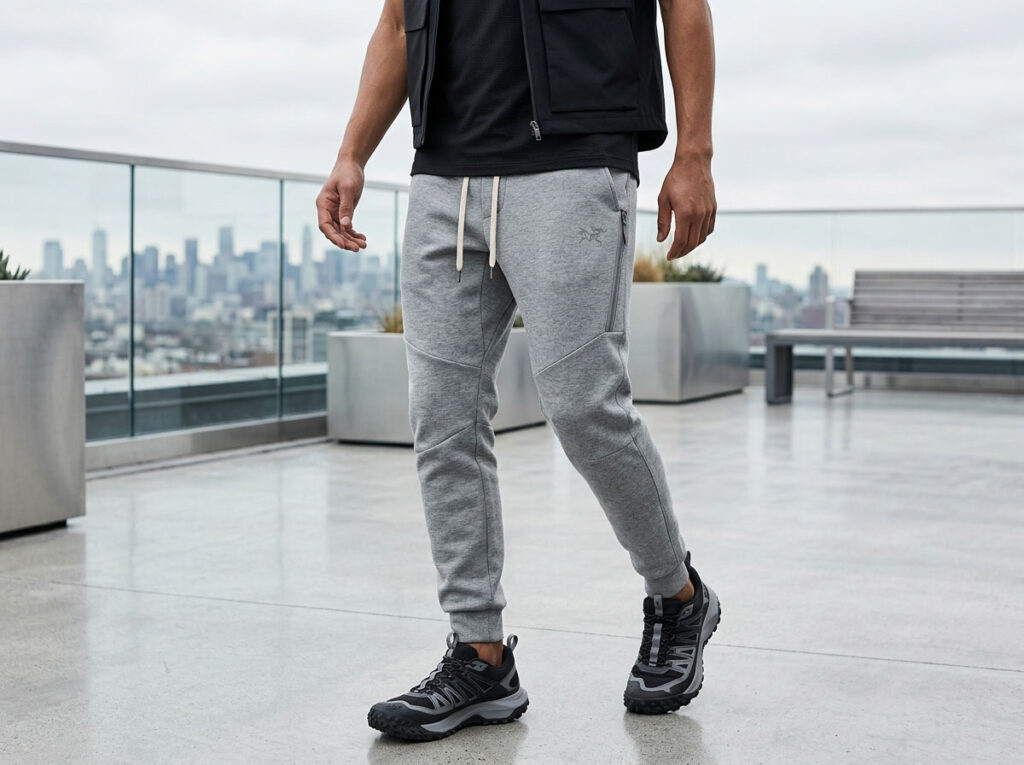
The best jogging pants fabric should be selected according to the garment’s actual purpose.
A simple way to narrow the choices is to start with the activity and climate.
| Jogger Application | Recommended Fabric Options | Key Performance Requirement |
|---|---|---|
| High-intensity running | Polyester + elastane | Moisture management and stretch |
| Gym training | Nylon + elastane | Flexibility and durability |
| Summer jogging | Lightweight polyester or nylon | Breathability and quick drying |
| Winter jogging | Fleece-lined polyester or thermal fabric | Insulation and moisture management |
| Casual joggers | Cotton-polyester or French terry | Softness and comfort |
| Loungewear | Cotton-rich blends or jersey | Soft hand feel |
| Fashion joggers | French terry, jersey, structured blends | Drape and appearance |
Matching the fabric construction to the intended use is one of the most important steps in developing a successful jogging-pants product.
So, what is the best fabric for jogging pants?There is no single material that works best for every jogger.
Polyester and nylon are strong options for performance-oriented jogging pants because they can provide quick drying, durability, and moisture-management characteristics. Spandex or elastane blends are useful when stretch and freedom of movement are priorities.
For casual joggers, cotton-polyester blends, French terry, and jersey can provide a comfortable balance between softness and everyday durability. For cold weather, fleece-lined and thermal fabrics can add the insulation needed for winter use.
The most important consideration is not simply choosing a popular fiber. Brands should evaluate fiber composition, GSM, fabric construction, stretch, moisture management, breathability, durability, shrinkage, pilling, colorfastness, and the intended end use.
At Liantao, selecting the right jogging pants fabric starts with understanding the product’s target market and performance requirements. Whether the goal is technical activewear, casual athleisure, winter joggers, or a custom private-label collection, the fabric specification should be developed around the final garment rather than choosing a material based on fiber name alone.
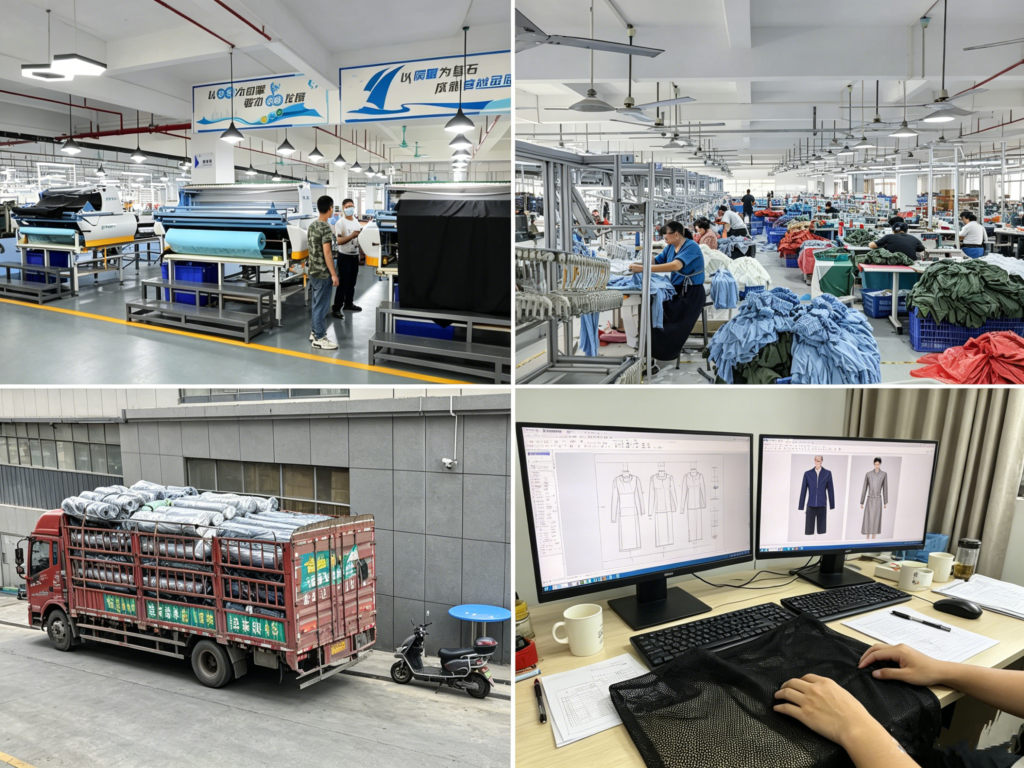
If you have any questions or require a quote, please leave
us a message. Our experts will get back to you within 24 hours to help you choose the ideal fashion products tailored to your needs.
Hi, I’m Lucy Cai, the founder of liantaoapparel.com. I’ve been managing a women’s clothing factory in China for over 16 years. With extensive experience in garment production and OEM services, I’m passionate about sharing insights into women’s fashion, apparel manufacturing, and global sourcing.
If you have any questions or need a quote, please contact us.
Please add us WhatsApp:+86 189 4809 3145
Provide us with detailed information about your requirements, supply design drawings or tech packs,
reference images, and share your ideas.
We will customize the best solution based on your needs and drawings, and provide a specific quote within 24 hours.
Once we receive your confirmation and deposit,we will commence mass production and take care of the subsequent shipping arrangements.


