


🏭 Looking for a Custom Apparel Manufacturer?
We are a leading OEM/ODM clothing factory with 20+ years of export experience. Custom styles, flexible MOQs, and retail-ready quality.
Finding the right factory for garment production is an important decision for fashion brands, clothing startups, and wholesale buyers. A suitable manufacturing partner can help turn product ideas into finished garments while coordinating fabric sourcing, pattern development, sampling, bulk production, and quality inspections.
However, not every garment factory offers the same product capabilities, customization options, minimum order quantities, or production timelines. Understanding how factory garments are manufactured can help buyers compare suppliers and avoid common sourcing problems.
This guide explains the main types of garments produced in clothing factories, how the manufacturing process works, what OEM and ODM services involve, and what to check before placing a bulk order. It also introduces practical considerations for choosing a manufacturing partner for your clothing business.
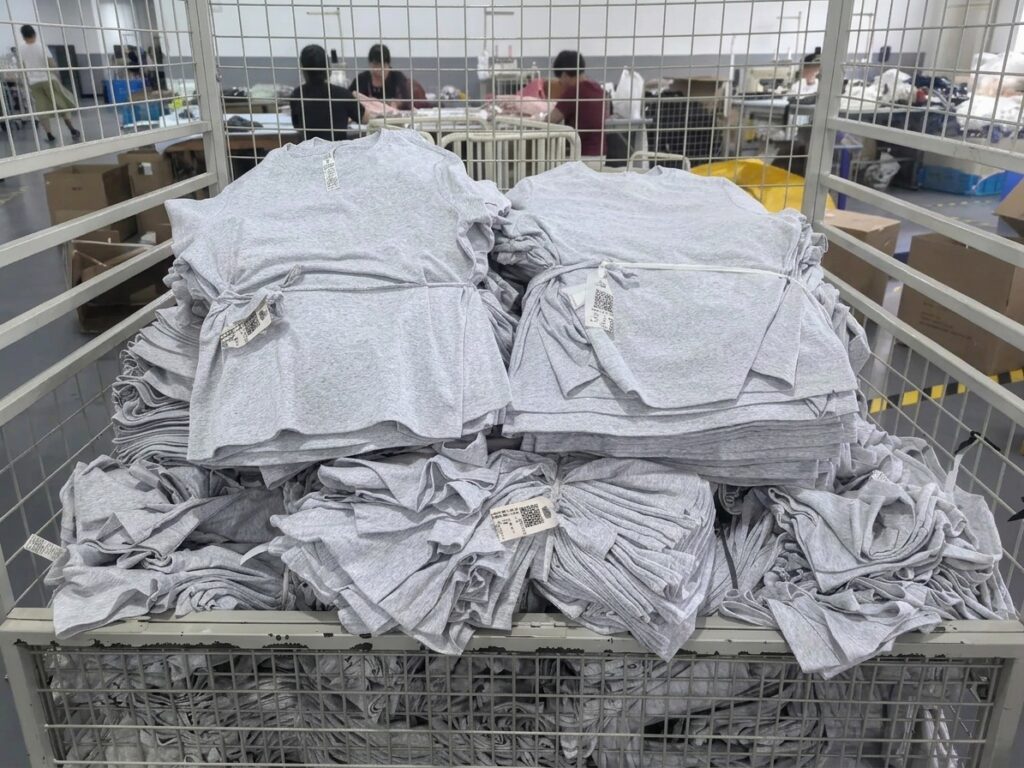
Factory garments are clothing products manufactured in professional production facilities using organized processes, equipment, materials, and skilled labor. These facilities produce garments for fashion brands, retailers, wholesalers, private-label businesses, and other commercial buyers.
Unlike individually handmade clothing, factory garments are generally produced through coordinated manufacturing stages. These may include fabric preparation, pattern making, cutting, sewing, finishing, inspection, and packaging.
A garment factory may specialize in certain product categories or provide a broader range of apparel manufacturing services.
Common characteristics of factory garment production include:
For clothing businesses, working with a garment manufacturer can provide access to production resources that may be difficult or expensive to manage independently.
A clothing factory may manufacture different product categories depending on its equipment, workforce, technical experience, and production capabilities. Before contacting a supplier, buyers should confirm whether the factory has experience with their specific garment type.
Common factory garment categories include:
| Garment Category | Common Products | Typical Buyer Requirements |
|---|---|---|
| Casualwear | T-shirts, sweatshirts, hoodies | Fabric selection, printing, embroidery |
| Women’s Wear | Dresses, skirts, tops | Pattern development, fit, finishing |
| Activewear | Sportswear, yoga clothing | Stretch fabrics, fit, construction |
| Swimwear | Swimsuits, bikinis | Suitable fabrics, lining, construction |
| Sleepwear | Pajamas, loungewear | Fabric comfort, sizing, finishing |
Casualwear: T-shirts, hoodies, sweatshirts, and sweatpants are common products for streetwear brands and everyday clothing collections.
Women’s wear: Dresses, skirts, and tops often require more detailed pattern development, fabric selection, and attention to garment construction.
Activewear: Sportswear and yoga clothing may involve stretch materials, functional details, and fit requirements that need to be confirmed during sampling.
Swimwear: Manufacturers need to understand the fabric, lining, construction, and fit requirements of the intended swimwear design.
Sleepwear: Pajamas and loungewear collections may require specific fabric characteristics, comfortable construction, and consistent sizing.
Not every factory handles all these categories equally well. Buyers should review relevant product samples and discuss technical requirements before selecting a supplier.
The factory garments manufacturing process usually follows several connected stages, from the initial product concept to finished bulk production. Understanding each stage helps brands prepare better specifications and communicate more effectively with manufacturers.
Step 1: Design and technical specifications
The buyer provides design drawings, reference samples, measurements, fabric requirements, and construction details. A Tech Pack can help communicate the product specifications clearly.
Step 2: Fabric and material selection
The factory and buyer confirm suitable fabrics, colors, trims, labels, and other materials. Important details include fiber composition, fabric weight, texture, stretch, and intended use.
Step 3: Pattern making and sample development
Patterns are prepared according to the design and measurements. The manufacturer then develops a sample so the buyer can review the garment’s appearance, fit, construction, and details.
Step 4: Sample review and approval
The buyer checks the sample and provides feedback. Adjustments may be needed before the final version is approved for bulk production.
Step 5: Bulk manufacturing
After approval, the factory arranges materials and starts production. Cutting, sewing, finishing, and other required operations are coordinated according to the agreed specifications.
Step 6: Quality inspection and shipment
Finished garments are checked against the agreed requirements, packed, and prepared for shipment.
For reference, Liantao Apparel provides the following estimated timelines:
| Production Stage | Reference Timeline |
|---|---|
| Sample development | 7–14 days |
| Sample shipping | Around 3–7 days |
| Bulk production for approximately 100 pieces | Around 20–28 days |
| Bulk shipping | Around 7–14 days |
These are reference estimates, not guaranteed delivery dates. Actual timelines depend on garment complexity, material availability, order quantity, sample revisions, and shipping arrangements.
OEM and ODM are two common manufacturing models used by fashion brands. Both allow businesses to work with external manufacturers, but they differ in how product designs and development responsibilities are handled.
OEM (Original Equipment Manufacturing)
Under an OEM arrangement, the buyer provides the design concept, technical specifications, or Tech Pack. The factory manufactures the garments according to the agreed requirements.
This model is suitable for brands that already have product designs and want a manufacturing partner to turn them into finished clothing.
ODM (Original Design Manufacturing)
Under an ODM arrangement, the manufacturer collaborates with the buyer on product development and design solutions. The exact scope depends on the manufacturer’s capabilities and the project agreement.
This approach can be useful for startups or brands that have a product direction but need additional development support.
| Comparison | OEM Manufacturing | ODM Manufacturing |
|---|---|---|
| Design input | Primarily provided by the buyer | Developed collaboratively |
| Product specifications | Usually supplied by the buyer | Developed during the project |
| Development support | Based on agreed manufacturing requirements | May include design and product development |
| Suitable for | Brands with established designs | Brands needing development assistance |
When evaluating a manufacturing partner, confirm whether it can support your specific requirements, including pattern making, Tech Pack development, custom fabrics, branding, labels, and packaging.
Liantao Apparel provides OEM/ODM apparel services and supports product development, custom fabrics, and branding. Brands interested in developing a collection can explore our custom clothing manufacturing services to understand the available service options.
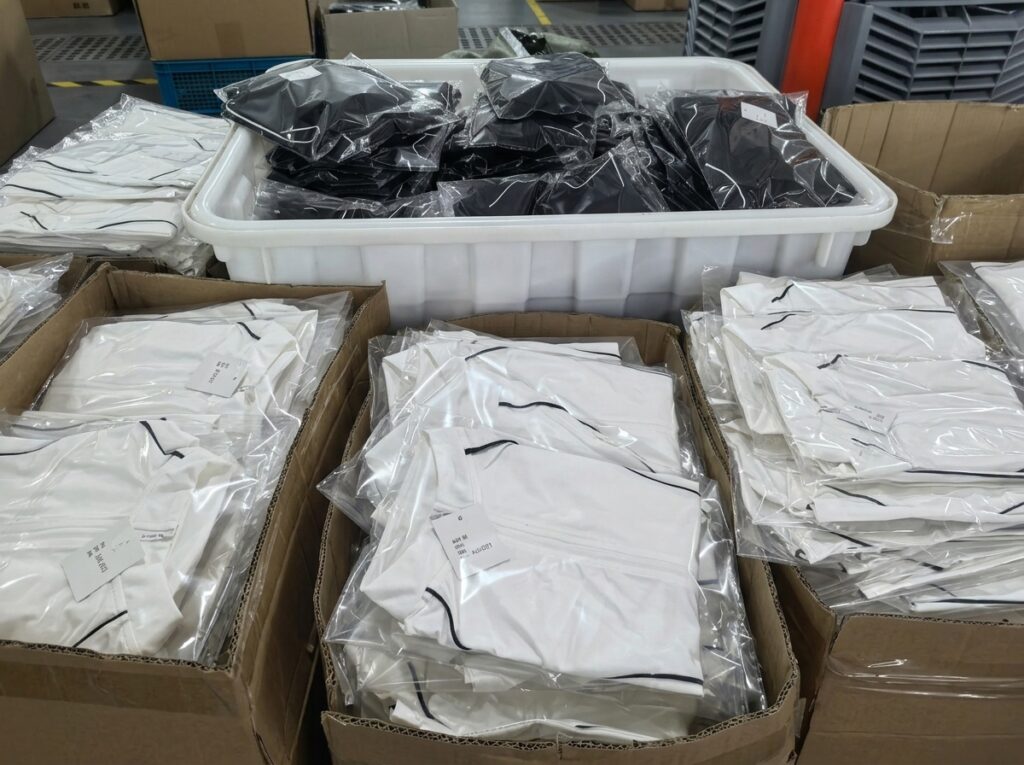
MOQ stands for Minimum Order Quantity. It refers to the smallest order quantity a manufacturer accepts for a particular product, design, or production arrangement.
For new fashion brands, MOQ is an important factor because it affects initial investment, inventory planning, and product development costs.
However, garment factory MOQ is not necessarily the same for every product. It can vary according to several factors:
For example, Liantao Apparel’s MOQ starts at 100 pieces per design and colorway, depending on the product and order requirements.
Before confirming an order, buyers should ask the factory to clarify:
For a more detailed explanation, read our guide to custom clothing manufacturers, MOQ, pricing, and the full production process.
Choosing a garment factory involves more than comparing quotations. Buyers should evaluate manufacturing experience, communication, product capabilities, quality management, and order requirements.
A supplier that offers a low price may not necessarily be the best choice if it cannot meet the required specifications or production schedule.
Here are several factors to consider:
1. Relevant manufacturing experience
Check how long the manufacturer has operated and whether it has experience producing your target garment category. Ask for relevant product samples or examples of previous work.
2. Production capabilities
Confirm whether the factory can handle your fabric types, garment construction, customization requirements, and expected order quantities.
3. Communication and technical understanding
A reliable supplier should be able to discuss measurements, materials, construction details, and sample revisions clearly. Misunderstood specifications can lead to production problems.
4. MOQ and production schedule
Compare the minimum order quantity, sample development time, bulk production estimate, and shipping arrangements. Make sure the quotation explains what is included.
5. Quality management
Ask how the factory checks materials, cutting, sewing, garment measurements, and finished products. Request clear information about inspection standards and how quality issues are handled.
6. Responsible sourcing and workplace standards
Brands should also consider labor conditions, workplace safety, and supply chain transparency when evaluating manufacturing partners.
The OECD Due Diligence Guidance for Responsible Supply Chains in the Garment and Footwear Sector provides guidance for businesses on identifying and addressing potential risks in garment and footwear supply chains.
For a practical supplier evaluation process, see our guide on how to find a reliable clothing manufacturer.
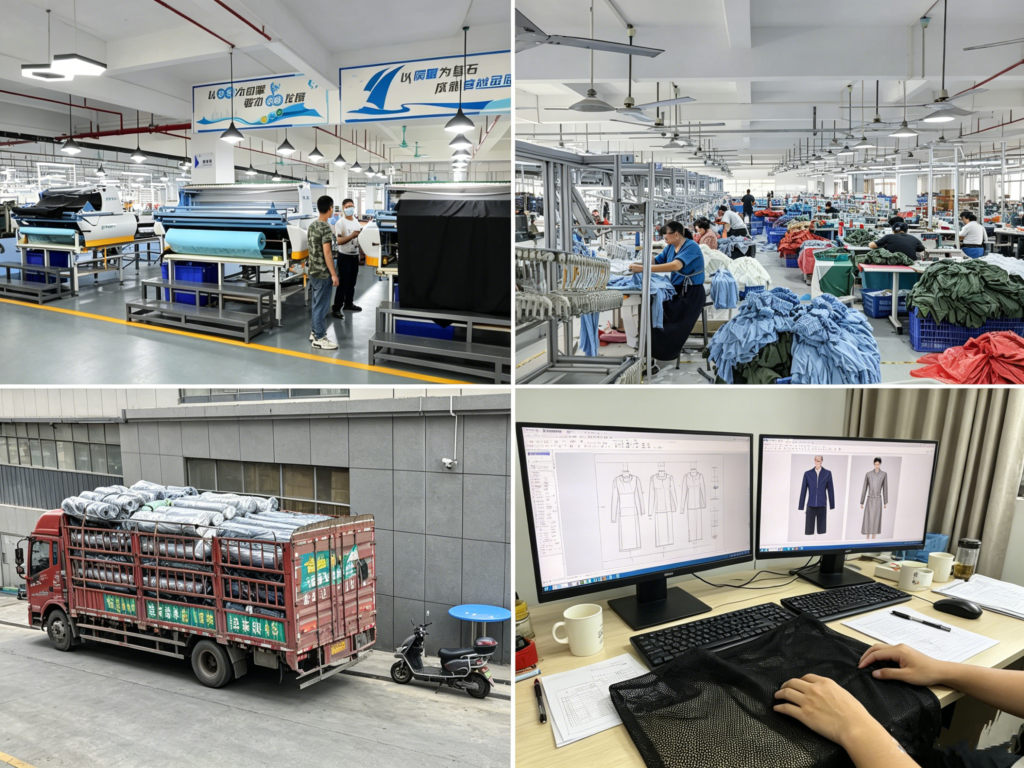
Liantao Apparel is a clothing manufacturer based in Dongguan City, Guangdong Province, China. Established in 2000, the company has more than 20 years of apparel manufacturing experience and a workforce of over 200 skilled workers.
The company manufactures products including dresses, sweatpants, T-shirts, hoodies, sleepwear, swimwear, and activewear. It has also built long-term relationships with more than 2,000 clients.
For brands exploring OEM/ODM manufacturing, these details provide an introduction to Liantao’s background and product scope. Specific project suitability should still be confirmed based on the garment design, materials, and order requirements.
Quality control is an important part of garment manufacturing because small production issues can affect the appearance, fit, function, and consistency of finished clothing.
A clear quality inspection plan should be established before bulk production begins. Buyers and manufacturers should agree on the specifications and acceptance requirements for each product.
Important inspection areas include:
Fabric and material inspection
Check whether the selected materials match the agreed specifications. Relevant points may include fiber composition, color, fabric appearance, and visible defects.
Cutting accuracy
Cut fabric pieces should follow the approved patterns and measurements. Inaccurate cutting can create problems during sewing and affect the final garment fit.
Stitching and construction
Inspect seam consistency, stitching quality, garment structure, and the attachment of trims or decorative details.
Measurement and fitting
Finished garments should be compared with the approved size chart and measurement tolerances. This helps identify sizing inconsistencies before shipment.
Final garment inspection
Check overall appearance, labels, loose threads, finishing details, and other agreed product requirements.
Liantao Apparel’s stated quality process includes multiple inspections and 100% inspection before bulk shipment. Buyers should still confirm the specific inspection checklist and acceptance criteria for their own orders.
For additional guidance, read our apparel manufacturer selection and quality control guide.
Brands can also use the Better Work Transparency Portal as an additional reference when researching factory compliance information. The platform publishes assessment information for participating apparel factories in selected countries. It focuses on labor standards and workplace compliance rather than finished-garment product quality, so it should complement—not replace—product inspections and supplier audits.
Factory garments refers to clothing products manufactured in professional garment production facilities. These products may include T-shirts, hoodies, dresses, sportswear, swimwear, and other apparel made for brands, retailers, wholesalers, and private-label businesses.
MOQ varies according to the product, fabric, color, and customization requirements. Some manufacturers support smaller orders, while others require larger quantities. Liantao Apparel’s MOQ starts from 100 pieces per design and colorway, depending on the project requirements.
Production time depends on order quantity, garment complexity, material availability, and sample approval. As a reference, Liantao Apparel estimates around 25–28 days for bulk production of approximately 100 pieces. Buyers should confirm the schedule for their specific order.
Yes. Depending on its capabilities, a garment factory may support private-label production with custom labels, tags, trims, printing, embroidery, and packaging. Buyers should confirm the available customization options before placing an order.
Prepare your product design, reference images, Tech Pack if available, fabric preferences, size chart, estimated order quantity, and customization requirements. If you do not have a complete design, explain your product idea and ask whether the manufacturer can assist with development.
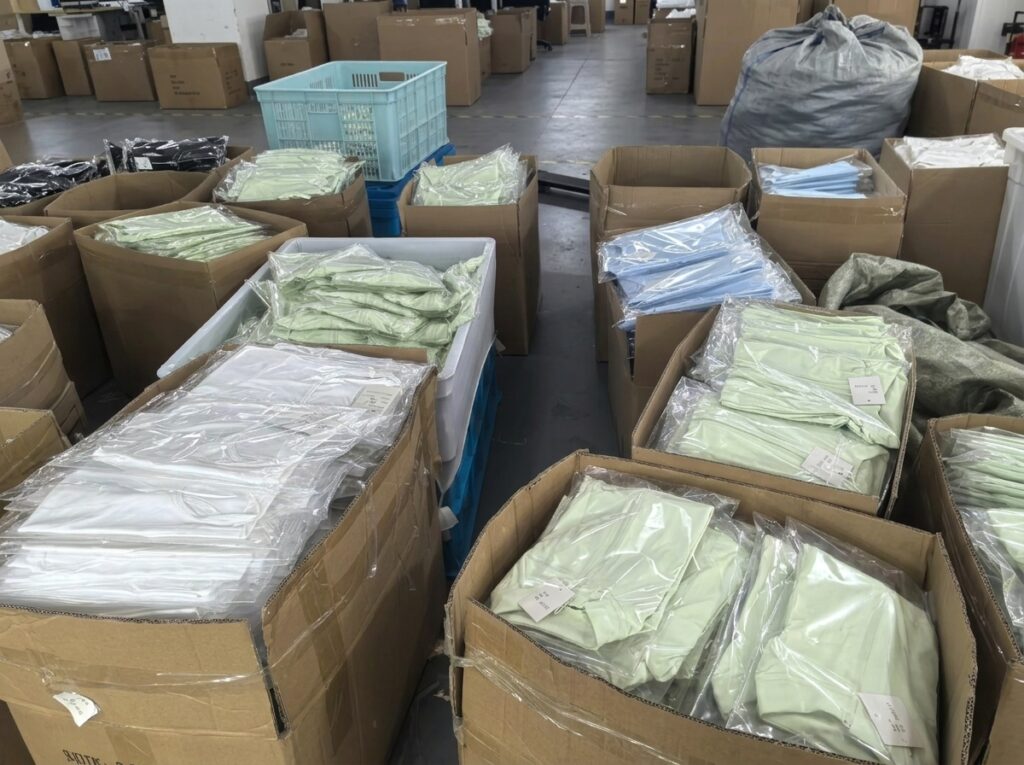
Choosing the right garment factory can make product development and bulk production easier to manage. Before placing an order, make sure you understand the manufacturer’s product capabilities, MOQ, sampling process, quality inspection procedures, and production schedule.
Liantao Apparel is an apparel manufacturer based in Dongguan, China, offering OEM/ODM services for brands and businesses developing custom clothing collections.
Whether you are planning T-shirts, hoodies, dresses, sweatpants, swimwear, or activewear, you can share your design files, product category, fabric preferences, and estimated order quantity with our team.
Contact Liantao Apparel to discuss your garment manufacturing requirements and explore the next steps for your clothing project.
If you have any questions or require a quote, please leave
us a message. Our experts will get back to you within 24 hours to help you choose the ideal fashion products tailored to your needs.
Hi, I’m Lucy Cai, the founder of liantaoapparel.com. I’ve been managing a women’s clothing factory in China for over 20 years. With extensive experience in garment production and OEM services, I’m passionate about sharing insights into women’s fashion, apparel manufacturing, and global sourcing.
If you have any questions or need a quote, please contact us.
Please add us WhatsApp:+86 189 4809 3145
Provide us with detailed information about your requirements, supply design drawings or tech packs,
reference images, and share your ideas.
We will customize the best solution based on your needs and drawings, and provide a specific quote within 24 hours.
Once we receive your confirmation and deposit,we will commence mass production and take care of the subsequent shipping arrangements.


